In today’s digital age, it seems like everyone on social media is an “expert” in health, fitness, and nutrition. With so many voices claiming to have the answers, how can you tell what’s actually beneficial, what’s mediocre, and what might harm your progress? Let’s break it down and help you navigate this complex landscape.
Credentials Matter—But Don’t Get Fooled
While it’s important to consider credentials, they don’t guarantee good advice. Registered Dietitians, Certified Nutritionists, and certifications from organizations like ISSA, ACE, NASM, NCSF, AFFA, ACSM, NETA, and more can show that someone has taken the time to learn. However, even those with certifications can spread misinformation. We’ve seen firsthand how regulatory agencies can be captured by outside interests and how lobbying can influence what gets taught.
If you’re considering working with a coach or trainer, don’t hesitate to ask about their credentials. Slide into their DMs or ask in person: What do those letters behind your name mean?
Educated Recommendations: The “Why” and “How”
Your coach or mentor should have a clear understanding of the “WHY” and the “HOW” behind their recommendations. It’s not just about pushing a workout or diet plan—it’s about making sure you understand the reasoning behind every decision.
When they introduce something new to you, it shouldn’t feel like a sales pitch for their latest product. Instead, ask questions to dig deeper:
Why am I doing this?
How does this work?
What’s happening inside my body to promote these changes?
How will this help me achieve my goals while keeping me safe and healthy?
Can you teach this to me in another way so I firmly understand it?
These questions will not only help you grasp the concept, but they’ll also weed out anyone who can’t explain their reasoning. If they can’t give you a clear answer, it may be time to move on.
The Bottom Line: Trust Your Instincts
If something feels off, triggering, or harmful to you, trust your gut and ask questions. Don’t let flashy marketing, unrealistic promises, or a push to sell products convince you that something is right for you. Your body and health deserve the best, and that means getting information that is clear, evidence-based, and tailored to your needs.
Remember, the best fitness advice comes from someone who can explain, educate, and empower you, not someone who’s just looking to make a sale. Stay curious, stay skeptical, and don’t be afraid to ask the tough questions. Your fitness journey is too important to leave in the hands of someone who can’t back up their advice.
Reframing the New Year: Rejecting Quick Fixes for Sustainable Growth
Welcome to Season 3 of Taste of Truth Tuesdays! 🎉 We’re kicking off with a bang, diving deep into a topic near and dear to my heart. After two decades in the fitness industry, I’ve got some game-changing insights, tips, and no-nonsense truths to share. You won’t want to miss a single minute of today’s episode💪✨
The New Year is here, and you’ve probably seen the tidal wave of ads pushing detoxes, cleanses, and resets. Let me stop you right there: NO, you do NOT need a detox, cleanse, or reset after the holidays.
When I say, “quick fix,” what comes to mind? Maybe it’s a detox tea promising to cleanse your system, a miracle shake that claims to replace your meals, or even the latest pharmaceutical weight-loss drug like Ozempic, used off label and hailed as the “solution” to stubborn fat. Quick fixes thrive on our desperation for immediate results. They’re marketed as shortcuts—whispering, “This will solve all your problems,” no patience or hard work required. 🫣
But here’s the hard truth: quick fixes rarely fix anything. Whether it’s a detox, a cleanse, or a medication designed to suppress your appetite, they often bypass the root causes of your concerns. They don’t teach you how to nourish your body or rebuild a healthy relationship with food. Instead, they slap a band-aid on symptoms while creating long-term consequences for your metabolism, hormones, and mental well-being.
Take Ozempic, for example. While it’s been touted as a “miracle” weight-loss drug, there are some serious health warnings that aren’t always front and center. As with significant weight loss in general, some people using these drugs experience muscle loss and lower bone density, increasing the risk of injury—especially for older adults.
In animal studies, semaglutide (the drug behind Ozempic) has been linked to an increased risk of thyroid cancer, including medullary thyroid carcinoma. While we don’t yet know if this risk translates to humans, it’s something to be aware of—especially if you have a family history of thyroid conditions. And let’s not forget the FDA’s 2023 warning about potential intestinal blockage associated with these medications, although the evidence so far shows it’s more about slowed gastric emptying and vomiting mimicking an obstruction.
And here’s the kicker—while these quick fixes promise to reshape your body in a short period, they often come with a slew of side effects that are rarely discussed. The key to managing those risks? Pay attention to your diet, listen to your body, and stay hydrated. But I can’t help but wonder: is the price tag on this “quick fix” really worth it?
In my own journey, I repeatedly fell for these promises—from replacing real food with Smart Start cereal, to taking ephedra and green tea energy pills in high school, and in my 30s, chasing the next shake, cleanse, or some ridiculous holistic protocol that promised to transform my body overnight. Spoiler alert: it never worked the way I hoped, and sometimes, it made things worse.
Today, we’re pulling back the curtain on quick fixes, diving into why they’re so appealing, and exposing the truth about detoxes, cleanses, and even medications like Ozempic. Because your health deserves more than a shortcut—it deserves a sustainable, thoughtful approach rooted in a long-term sense of well-being.
Let’s start by breaking down the dangers of these so-called “solutions” and why they often cause more harm than good.
🚨 The Dangers of Detoxes and Cleanses
Let me start by sharing a bit about my personal experience with Isagenix, an MLM I was involved in for four years. Their program revolved around “shake days” and “cleanse days.” Shake days required replacing two meals with shakes, leaving you with just 1,200-1,500 calories a day. Cleanse days were even more extreme: 24-48 hours of intermittent fasting where you consumed only “approved” snacks—essentially glorified candies from their product line.
These cleanse days were touted as the secret to triggering autophagy, “cleaning up your cells,” and building muscle while shedding fat. But for me, the reality couldn’t have been further from the sales pitch. Instead of gaining energy, building muscle, or feeling cleansed, I experienced fatigue, hormonal disruptions, and a worsening relationship with food.
I want to clarify here: if you’re under the care of a well-educated, integrative professional who has run labs and prescribed a short-term liver cleanse or restrictive protocol tailored to your needs, this isn’t directed at you. I’m talking to the folks who, like me, were misled by the marketing tactics of supplement companies, MLMs, and Pinterest ads. These programs prey on our insecurities while delivering none of the promised benefits.
Here’s why these quick-fix detoxes and cleanses are more harmful than helpful:
They Deplete Your Energy Over Time
On those “cleanse days,” I often felt like I was running on fumes. Severely restricting food intake forces your body to pull from its energy reserves, leaving you fatigued, irritable, and unable to function optimally. Over time, this restriction triggers metabolic adaptation, slowing down your metabolism to conserve energy. Instead of speeding up fat loss, it makes your body cling to every calorie it gets, making future weight management even harder.
They Disrupt Hormonal Health
My cleanse days wreaked havoc on my hormones. The lack of consistent nourishment interferes with thyroid hormone conversion and overactivated the adrenal glands, increasing cortisol production. Chronic high cortisol levels undermine immunity, energy, and mood. For women, the risks are even greater. Prolonged restriction sends your body into survival mode, disrupting your reproductive hormones. I dealt with irregular periods, cold extremities, and even hair thinning—all signs that my body was prioritizing survival over reproduction.
They Create Nutritional Deficiencies
When you cut out food, you cut out nutrients. The shakes and supplements from Isagenix were marketed as “nutritionally complete,” but they couldn’t compare to the diversity and richness of whole foods. This reliance on synthetic supplements is not a sustainable way to meet your nutritional needs.
They Damage Your Relationship with Food
One of the most insidious effects of these programs was how they warped my relationship with food. By constantly restricting and “cleansing,” I lost touch with hunger cues and began seeing food as the enemy. At one point, my appetite diminished, which might sound like a win in hustle culture, but it was actually a red flag. Our bodies need food to fuel productivity, creativity, and overall well-being. Sacrificing health in the name of hustle isn’t the flex diet culture makes it out to be.
The Bottom Line
Programs like the one I was involved in sell you the illusion of health while delivering energy depletion, hormonal imbalance, and long-term damage to your metabolism. Sustainable growth comes from nourishing your body, listening to its needs, and rejecting the false promises of quick fixes.
If you’re considering a cleanse or detox, ask yourself: is this supporting my long-term health, or am I falling for a marketing gimmick?
💡 What Your Body Actually Needs
Your body thrives on consistency, nourishment, and balance. That’s why the 365 Easy Challenge focuses on six foundational habits to create sustainable growth:
Gratitude – Build a positive mindset by reflecting daily on what you’re thankful for.
Digestion – Support your gut with mindful eating practices and nourishing foods.
Sleep – Prioritize restorative rest to boost energy and metabolism.
Mindset/Self Talk – By reframing, shift your mindset to approach challenges with resilience.
Stress Management & Nutrition – Balance your life and plate without extremes.
These habits aren’t about perfection—they’re about progress. You can join in any time and make this year about sustainable, steady growth. One phrase I often say often to clients:
“Slow is steady and steady is fast.”
Seven Things I Wish I Knew Sooner
In this episode, we’re tackling the first four lessons I wish I’d learned earlier in my nutrition and fitness journey. These are insights that can save you time, frustration, and even your health.
1. Extreme Diets Have Extreme Consequences
If you’ve ever thought, “I just need to cut calories harder,” let me stop you right there. Extreme diets may promise quick results, but they come with a hefty price tag on your body.
Research, such as the Biggest Loser Study (PMID: 27136388), reveals a major roadblock: metabolic adaptation. Your body isn’t wired for vanity; it’s wired for survival. When you restrict calories excessively, your body compensates to preserve energy—this can continue for years after the diet ends (PMID: 35729736).
Here’s what that looks like:
Calorie restriction becomes less effective over time.
Your metabolic rate slows down, making it harder to maintain or continue fat loss.
You feel frustrated, but it’s your body hitting the brakes, not your willpower failing.
Takeaway: Your body isn’t out to sabotage you; it’s protecting you. The solution? Nutritional periodization. Incorporate diet breaks, maintenance phases, and even reverse dieting to minimize these adaptations.
2. Restrictive Diets Wreck Hormonal Health
Chronic or yo-yo dieting isn’t just stressful for your mind—it’s a major stressor for your body. Prolonged restrictions can negatively impact your:
Adrenal system: Chronic stress triggers the HPA axis, increasing cortisol. While cortisol is essential in moderation, consistently high levels can negatively impact energy, mood, and immunity.
Thyroid: High stress interferes with TSH production and the conversion of thyroid hormones, which are vital for metabolism.
Reproductive hormones: Missing or irregular periods, hair loss, and constant coldness? These are signs your body isn’t feeling “safe” enough to prioritize reproduction.
Minimum body fat is necessary to maintain reproductive health, especially for women. Hormones like progesterone, critical for ovulation and metabolism, rely on nutrient availability and a sense of safety
Takeaway: Your body isn’t the enemy—it’s doing its best with the fuel and signals you’re giving it. Support your hormones by eating enough, maintaining balance, and avoiding extreme restrictions. PMID: 2282736
3. Exercise + Intermittent Fasting = Double Trouble for Women
Adding intense exercise to intermittent fasting might sound like a fast track to results, but for women, it’s a recipe for dysfunction. Here’s why:
Women’s bodies are highly sensitive to kisspeptin, a neuropeptide critical for reproductive and endocrine health. Diets like keto and intermittent fasting can disrupt kisspeptin production, leading to:
Endocrine dysfunction.
Menstrual irregularities.
Depression and increased abdominal fat (yes, the opposite of what you wanted).
Half of all active women aren’t eating enough to support basic functions, let alone training. The long-term impact? Impaired thyroid function, stalled muscle growth, and metabolic imbalance.
Takeaway: Women need nourishment, especially when training hard. Fasting and exercise together often do more harm than good, leaving your body stressed instead of thriving.
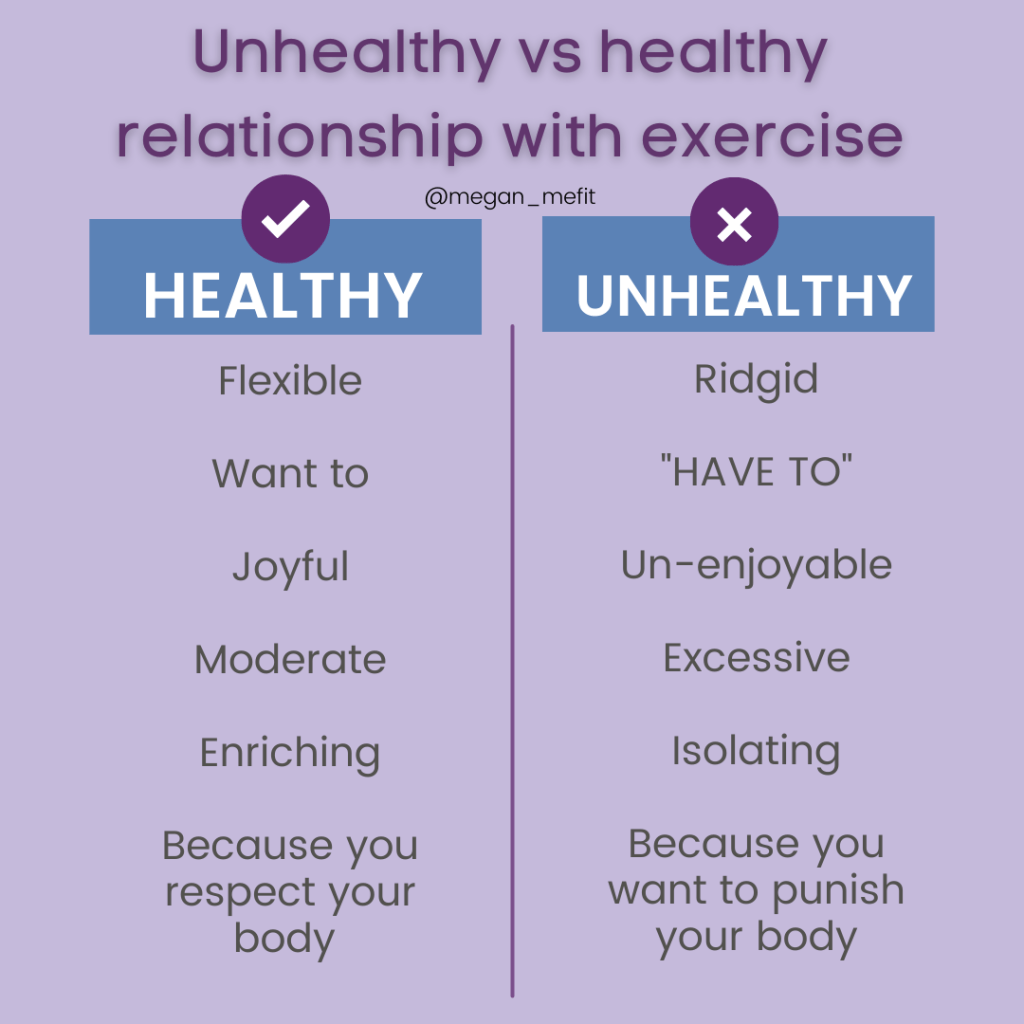
4. A Healthy Relationship with Exercise is Flexible and Fulfilling
Exercise is amazing for your body and mind, but even a good thing can become harmful when taken to extremes.
Exercise addiction is a compulsive engagement in physical activity, despite negative consequences. It often comes with:
Excessive rules and rigidity.
Feelings of shame before, during, or after workouts.
Withdrawal symptoms when unable to exercise.
In contrast, a healthy relationship with exercise is:
Flexible: It allows for variety in movement types and durations.
Fulfilling: It’s rooted in joy and self-care, not punishment or guilt.
Takeaway: The best kind of movement is the one that enriches your life, not rules it. Exercise should add value to your day, not take away from it.
✨ Let’s Leave Hustle Culture in 2024👋
Hustle culture says, “Eat less, work more, and sacrifice rest to succeed.” This mindset isn’t empowering—it’s exhausting. This year, let’s prioritize health over hustle and choose habits that energize rather than deplete.
The 365 Easy Challenge is here to help you make that shift. Whether it’s gratitude, better sleep, or balanced nutrition, these small steps add up to big changes over time.
Takeaway for 2025: This year, skip the detox and focus on what truly works: habits that honor your body’s needs, not a quick-fix fantasy. If you’re ready to embrace sustainable growth, join the 365 Easy Challenge and start building a foundation for lifelong health.
Welcome back to Taste of Truth Tuesdays! With the winter solstice just days away, we’re officially in the home stretch of 2024. The shortest day of the year reminds us to embrace the darkness while we prepare for the return of the light. It’s a reflective time—perfect for thinking about the holidays, setting intentions, and crafting meaningful goals for the new year. Today, we’re unpacking all of this, diving into the science of motivation, and introducing the 365 Easy Challenge. If you’re ready to create lasting habits that stick, you’re in the right place. Stick around until the end for December journal prompts designed to help you close out the year with clarity. Let’s get started!
The Truth About Motivation
Let’s start by busting a common myth: motivation is NOT the secret sauce to achieving your goals. It’s more like an internal campfire. You have to keep stoking it, or it fizzles out. Motivation, whether intrinsic or extrinsic, is unreliable. Intrinsic motivation comes from within — like your desire to be healthy or curious. Extrinsic motivation, like fitness challenges or rewards, comes from external sources.
So, what’s the science behind this? Motivation is tied to our brain’s reward system. Dopamine plays a critical role—it’s the “feel-good” chemical released when we anticipate a reward. But here’s the catch: dopamine isn’t just about pleasure; it’s about seeking. This is why motivation can be fleeting—once the novelty of the reward wears off, so does the drive. This is where habits and routines come in. They remove the need to rely on motivation alone, anchoring actions in consistency instead of fleeting feelings.
Awareness is the foundation of meaningful change. You can’t fix what you don’t know is broken. That’s why our 365 Easy Challenge emphasizes building habits that last, not just riding the highs of short-term motivation.
Why Traditional Challenges Fall Short
Have you ever tried extreme diets like Whole 30 or intense challenges like 75 Hard? While these can inspire short bursts of action, they often fail to teach sustainable skills. The problem isn’t laziness or lack of discipline; it’s unrealistic goals and focusing on what others are doing instead of tailoring solutions to your needs.
Science supports this too: extreme approaches often activate the brain’s stress response, making it harder to sustain willpower. Cortisol, the stress hormone, can hijack your decision-making, leading to burnout or impulsive choices. Instead, we need to focus on actions that align with our values and fit seamlessly into our lives.
This year, we’re flipping the script. The 365 Easy Challenge is all about mastering the basics — simple, sustainable actions that create consistency. Remember, consistency builds routines, and routines drive results.
Introducing the 365 Easy Challenge
Here’s the breakdown: The challenge focuses on six foundational habits:
Brain Reframe 🧠 Your body doesn’t need a “reset” — your brain does! Shift the focus to what you’re adding, not subtracting. More protein, more fruits & veggies, more movement. It’s all about progress, not perfection. Spend five minutes daily countering negative self-talk with rational, supportive statements. This rewires neural pathways and strengthens your brain’s ability to shift perspectives, helping you stay aligned with your goals.
Stress Management (and Your Mindset Around Stress) 😤 Stress is the silent killer of self-control and health. Managing stress isn’t just about chill vibes; it’s about understanding your stress and handling it like the boss you are. Take intentional movement breaks, practice deep breathing, and reframe stress as a challenge, not a threat. Movement enhances endorphin release, while reframing stress alters its impact on your body, helping you maintain mental clarity and avoid burnout.
Sleep Consistently 😴 The most underrated (yet most important) aspect of health? SLEEP. If you’re aiming for aesthetic goals, consistent sleep should be at the top of your priority list. Prioritize a bedtime routine with blue-light blocking, magnesium supplements, and a consistent schedule. Sleep affects everything from metabolism to emotional regulation. Even just one hour less sleep per night can impair cognitive function and decision-making, so get those 7-9 hours for optimal performance.
Digestive Health 🥦 Your body doesn’t thrive off what you eat, but off what you can digest and absorb. Let’s get those healthy poops on track and optimize your digestion for real transformation. Eat a protein-rich breakfast within 60 minutes of waking, and practice mindful eating by chewing thoroughly. Did you know that proper chewing activates enzymes in your saliva that kickstart digestion, setting the stage for better nutrient absorption and smoother digestion throughout the day?
Adequate Nutrition 🍏 Under-eating doesn’t get you anywhere good. Let’s focus on fueling your metabolism, building muscle, and living your life — so when the time comes for fat loss, it’s smoother and healthier than ever. The amount of food you need to eat per day may surprise you! Your TDEE (Total Daily Energy Expenditure) includes the energy required to support basic bodily functions (known as basal metabolic rate or BMR) and your daily physical activities. This can range from 1800-2400 calories for most individuals, so fueling your body adequately is key to long-term success.
Gratitude Practice 🙏 Meditation, prayer, and focusing on gratitude are more than just buzzwords. Science shows they can actually help you stay on track with your diet and exercise goals. Start your day by writing down three things you’re grateful for. Research shows that gratitude practices enhance mental health and even improve physical health by reducing inflammation and improving sleep quality, creating a positive feedback loop that supports overall wellness.
When clients approach me desiring fat loss, we often need to shift our focus first to achieving optimal psychological and physiological baselines. Many struggle with yo-yo dieting, binge eating, a poor relationship with food, negative body image, and sporadic workout consistency. That’s why periodized nutrition—or planning strategies like reverse dieting to support metabolism—is so important. Nutrition isn’t just about cutting calories; it’s about fueling your body to thrive.
Every week, you’ll add one action from each habit category. By week five, you’ll have integrated all six habits into your routine. And it’s okay if life happens and you miss a day — progress over perfection is the goal here.
Building Sustainable Habits
Why does this approach work? Because it’s rooted in simplicity and adaptability. You’re not overhauling your life overnight or setting yourself up for burnout. Instead, you’re focusing on actions that are easy to maintain and build upon.
For example, let’s talk digestion. Did you know your body isn’t what you eat but what you can digest and absorb? Simple changes like chewing your food more thoroughly or incorporating a 10-minute walk after meals can make a huge difference in your health.
And when it comes to sleep, the science is clear: adults need 7-9 hours of quality sleep for optimal function. Creating a bedtime ritual can condition your brain to wind down, making it easier to fall asleep and stay asleep.
December Journal Prompts
As promised, here are your December journal prompts to close out the year with reflection:
What was the most significant moment of your year, and why?
List three accomplishments you’re most proud of this year.
How have you grown as a person over the past year?
Write about a goal you didn’t achieve—what held you back, and what did you learn?
“This year taught me…”
Take 10 minutes to reflect on these, and you’ll start the new year with a clear mind and a motivated heart.
As you embrace the new year, remember that lasting change comes from building habits, not from a fleeting burst of motivation. By grounding yourself in gratitude, reflection, and simple daily actions, you can create a year that feels easy—and meaningful.
Check out the full 365 Easy Challenge guide for detailed steps to start your journey today.
Thanksgiving marks a season of reflection, yet gratitude isn’t always easy to come by—especially after an election year, when cognitive overload and societal stress dominate our attention. This isn’t just a personal struggle; neuroscience suggests our brains are wired to focus on negativity, a phenomenon called negativity bias. This tendency, coupled with cultural norms emphasizing individual success and the relentless comparisons driven by social media, makes practicing gratitude a skill we must consciously develop.
In my work as a coach and host of Taste of Truth Tuesdays, I often explore how habits—like fitness, nutrition, or mindfulness—shape not just our bodies, but our minds. Gratitude operates the same way: it’s not a passive feeling, but an active practice. According to Dr. Monica Johnson, gratitude has the power to rewire your brain, reducing stress and boosting resilience. Here’s why it can be so hard—and how you can overcome those challenges.
Why Gratitude Feels So Hard
1. Negativity Bias
Our brains are wired to prioritize threats and negative experiences over positive ones. This evolutionary survival mechanism can make it harder to notice or appreciate the good in our lives.
2. High Expectations and Comparisons
Social media amplifies the pressure to compare our lives to others, often creating unrealistic standards. When our focus shifts to what we lack, gratitude takes a backseat.
3. Cognitive Overload and Stress
Life moves fast, and our schedules are packed. Reflecting on what we’re thankful for requires slowing down—a luxury stress and busyness don’t easily allow.
4. Cultural and Social Conditioning
In cultures that prize personal achievement and material success, gratitude can feel secondary. Celebrating milestones and accomplishments may overshadow smaller, everyday joys.
5. Mental Health Challenges
Depression, anxiety, and trauma can make it difficult to recognize and appreciate the positives in life. These conditions often shift focus to worries, fears, or a sense of helplessness.
6. Entitlement Mindset
When we feel entitled to certain comforts or successes, it diminishes our ability to see them as gifts, fostering dissatisfaction instead of gratitude.
7. Lack of Practice
Gratitude is a skill, not just an attitude. Without consistent effort, it’s easy for this muscle to weaken.
The Science of Gratitude: Three Proven Strategies
Fortunately, research provides powerful tools to strengthen gratitude. These practices are straightforward, effective, and supported by science.
1. Gratitude Journaling
One of the simplest and most effective methods is keeping a gratitude journal. Regularly writing down three to five things you’re thankful for has been shown to boost emotional well-being and reduce stress.
As a gardener and homesteader, I’ve found parallels here: journaling is like planting seeds of positivity. With time, those seeds grow into a garden of resilience and contentment.
Why it works:
A study by Dr. Robert Emmons, a leading researcher on gratitude, found that journaling helps rewire the brain by reinforcing positive experiences. This practice shifts focus away from what’s missing in your life toward what’s already there.
How to do it:
Spend five minutes each evening listing specific things you’re grateful for.
Be detailed—rather than “I’m grateful for my family,” write, “I’m grateful for the family dinner we had tonight where everyone laughed together.”
2. Gratitude Letters or Visits
Writing a heartfelt letter to someone who has positively impacted your life is another effective practice. Even better? Deliver the letter in person or send it to them.
Why it works:
Research highlighted by Dr. Monica Johnson of The Savvy Psychologist shows that thanking someone you’ve never properly appreciated increases happiness immediately and for up to a month afterward. The act deepens relationships and reinforces a sense of connection.
How to do it:
Reflect on someone who has helped or supported you in a meaningful way.
Write a sincere letter describing what they did and why it mattered.
Deliver it, either in person, through a video call, or via mail.
For me, this practice reminds me of the people who’ve supported my journey—from launching my podcast to building a small homestead.
3. Mental Subtraction of Positive Events
Instead of focusing on what you’re grateful for, imagine your life without certain positive aspects. This “mental subtraction” technique can powerfully enhance your appreciation for what you have.
Why it works:
A study published in the Journal of Positive Psychology revealed that imagining life without key blessings intensifies gratitude by showing how much worse life could be. This perspective shift cultivates appreciation even for things we take for granted.
How to do it:
Think about a cherished relationship, opportunity, or moment in your life.
Reflect on how your life would be without it.
Let this realization deepen your gratitude for that aspect of your life.
I often reflect on what life would be like without the small joys I’ve cultivated—like watching our garden grow or exploring life with my 3 dogs. It’s a powerful way to deepen appreciation for the present.
Gratitude is a Skill Worth Building
Gratitude might not come naturally, but with consistent practice, it can become a cornerstone of emotional resilience and happiness. By journaling, expressing thanks to others, and practicing mental subtraction, you can train your brain to focus on the good—even amidst life’s challenges.
Gratitude isn’t just a feel-good emotion—it’s a powerful mental tool that rewires your brain for better health and happiness. Through neuroplasticity, gratitude practices such as journaling or simply expressing thanks, strengthen neural pathways linked to positive emotions and weaken those associated with stress or negativity. This results in reduced anxiety, lower cortisol (the stress hormone), and improved mood
But the benefits don’t stop at mental health. Gratitude is also linked to better heart health, stronger immune function, and improved sleep quality. By calming the nervous system, gratitude promotes relaxation and a sense of well-being. Plus, it enhances emotional intelligence, fostering empathy, compassion, and stronger social connections
As Dr. Monica Johnson reminds us, gratitude is like a muscle: it grows stronger the more you use it. This Thanksgiving, and in the year ahead, let’s commit to cultivating gratitude as a daily habit. The rewards—a brighter perspective, deeper connections, and greater joy—are well worth the effort.
Gratitude isn’t about ignoring pain or hardship—it’s about recognizing the value in the journey. Whether you’re navigating personal struggles, cultural pressures, or simply a stressful holiday season, gratitude offers a way to stay curious, grounded, and resilient.
For more information on the 365 Easy Challenge for 2025, click here!
Which gratitude strategy will you try first? Let me know in the comments!
For a deeper exploration of the science of gratitude, you can check out these insightful resources:
Books:
The Gratitude Diaries by Janice Kaplan – This book blends personal storytelling with scientific research on the power of gratitude in transforming daily life.
Thanks! How the New Science of Gratitude Can Make You Happier by Robert Emmons – Emmons, one of the leading researchers in the field, explores the science behind gratitude and how practicing it can improve physical and mental health.
The Happiness Advantage by Shawn Achor – Achor discusses how happiness, including gratitude, can lead to success in work and life by creating a positive mindset.
Studies and Articles:
Gratitude and Well-being (Greater Good Science Center) – A collection of studies demonstrating that gratitude can improve overall well-being, reduce stress, and enhance relationshipsGreater Good.
A study published in Psychology of Well-Being found that practicing gratitude regularly can help reduce negative emotions and promote a greater sense of life satisfactionGreater Good.
TED Talks:
“The Power of Vulnerability” by Brené Brown – Brown explores how embracing vulnerability, along with gratitude, leads to a deeper connection with others and personal well-being.
“What’s So Funny About Gratitude?” by Robyn Stratton-Berkessel – In this talk, Stratton-Berkessel discusses the profound impact that asking about positive experiences can have on fostering gratitude in everyday life PositivePsychology.com.
“The Secret to Happiness is Helping Others” by Mike Robbins – Robbins highlights how gratitude, especially when expressed towards others, can create a ripple effect of kindness and well-beingPositivePsychology.com.
These resources provide a rich blend of personal, scientific, and practical perspectives on how gratitude can enhance our lives.
Welcome back Wellness Warriors, and truth seekers!
As we have been discussing all of Season 2, Fundamentalist thinking doesn’t just reside in religious circles—it also permeates wellness and healing spaces. Just as high-control religions exploit human vulnerability, so does diet culture.
I’ve had my share of blindly following extreme health regimens recommended by practitioners, ignoring my own discomfort along the way. It became clear that fundamentalism can crop up in various aspects of life, and part of healing is about recognizing and addressing these tendencies within us.
We have discussed how high control religion and diet culture both capitalize on the brain’s tendency to interpret things in a binary black-and-white manner by presenting clear-cut rules, guidelines, and belief systems that simplify complex issues into easy-to-follow directives.
In this post, we’ll exploring deeper into how the brain’s craving for control and the dopamine boost it triggers can explain why people may transition into high-control environments or swing from one extreme to another. Such as moving from a loose, permissive belief system to a strict, rule-bound one, or from an unrestricted eating pattern to a rigid diet.
The Illusion of Control and Dopamine
The concept of the “illusion of control” ties deeply into our brain’s reward system, particularly through dopamine, a neurotransmitter crucial for motivation and learning. When individuals believe they have control over situations, even when that control is illusory, their brains can release dopamine. This release can provide a rewarding feeling, reinforcing the behavior or belief that leads to this sense of control.
The brain’s craving for control plays a crucial role in how individuals respond to structured systems, be it in religion, diet culture, or Multi-Level Marketing (MLM) schemes. When we encounter a belief system or set of teachings that offers clear, structured guidance, it triggers a sense of control, even if that control is illusory. This perceived control is neurologically rewarding because it leads to the release of dopamine, a neurotransmitter associated with motivation and the reinforcement of behaviors of control over one’s body and health, triggering dopamine release and creating a feedback loop that encourages continued adherence. Similarly, religious fundamentalism often offers clear-cut guidelines on how to live, providing the same sense of security and control, thus reinforcing the behavior.
This perspective not only sheds light on why people might gravitate towards fundamentalism or diet culture but also opens up a discussion on the broader implications of how our brains can be influenced by the promise of control, even when that control is more perceived than real.
What Causes the Illusion of Control
The illusion of control is driven by several factors and provides psychological benefits.
In health and wellness, people often adhere to strict diets or exercise routines, believing they control their weight or fitness, even though genetics and other factors also play a role. This illusion of control can be comforting and encourage adherence.
Similarly, in religion, individuals may follow rigid rules or rituals, thinking they control their spiritual outcomes or moral status, which provides a sense of security and boosts self-esteem.
When did the concept of the illusion of control originate?
The concept, first described by psychologist Ellen Langer in 1975, was initially seen as a way to maintain self-esteem by attributing success to oneself and distancing from failure. Recent research suggests it results from misjudged causality, where people’s sense of control is distorted by their actions rather than actual influence.
Fundamentalism and Structured Belief Systems
Fundamentalism, with its rigid doctrines and absolute truths, can offer a powerful sense of control, especially for those who have previously encountered ambiguity or lack of structure. These rules provide a clear framework for living, reducing the anxiety that comes with uncertainty, and delivering a dopamine-driven sense of reward that reinforces their commitment to the system. This appeal to control can be understood through several key aspects:
1. Structure and Certainty
Fundamentalism provides a clear and structured framework for understanding the world and one’s place within it. This structured approach often includes strict rules, definitive answers, and a well-defined moral code. For individuals who have experienced the fluidity and unpredictability of hyper-charismatic or New Age movements, the stability offered by fundamentalist systems can be particularly attractive.
In fundamentalist belief systems, every aspect of life is often governed by established doctrines. This comprehensive structure can reduce the anxiety associated with uncertainty and ambiguity, offering a predictable environment where individuals feel they know the correct course of action. This sense of predictability can be a significant source of comfort, as it replaces the confusion and complexity of previous experiences with clear-cut answers.
2. The Illusion of Control and Dopamine
The dopamine-driven reward system plays a crucial role in why fundamentalism is appealing. When individuals adhere to the strict rules and guidelines of fundamentalism, their brain releases dopamine, providing a sense of satisfaction and reinforcement. This dopamine release occurs because the rigid structure of fundamentalism offers a perceived sense of control over one’s life and environment.
This sense of control, even if illusory, can be neurologically rewarding. The anticipation and experience of control lead to the release of dopamine, which reinforces the behavior and belief that adherence to fundamentalist teachings is beneficial. Over time, this feedback loop strengthens individuals’ commitment to the belief system, as the dopamine-driven rewards make the structured environment feel more gratifying and secure.
3. Regaining a Sense of Agency
For those coming from less structured or more ambiguous belief systems, fundamentalism can represent a way to regain a sense of agency and direction. After experiencing a lack of clarity or guidance, individuals may find the definitive answers and rules provided by fundamentalism to be reassuring. The shift towards a more structured belief system can be seen as an effort to reassert control over one’s life and decisions.
Fundamentalism’s clear boundaries and absolute truths provide a stark contrast to the uncertainty that may have characterized previous experiences. This transition can be particularly appealing for individuals seeking to regain stability and predictability. The rigid nature of fundamentalism offers a form of control that feels tangible and dependable, even if it is ultimately based on a set of beliefs rather than empirical evidence.
4. Community and Belonging
Fundamentalist communities often emphasize conformity and collective adherence to their doctrines. This communal aspect can further reinforce the illusion of control by providing social validation and support. Being part of a group that shares the same rigid beliefs can enhance the sense of belonging and reinforce the perceived control individuals feel.
The social reinforcement within fundamentalist groups contributes to the illusion of control by making individuals feel supported and validated in their adherence to the teachings. This communal validation can strengthen their commitment to the belief system, as the positive feedback from the group further activates the brain’s reward system.
5. Cognitive Dissonance and Commitment
Once individuals have invested significant time and energy into a fundamentalist belief system, cognitive dissonance can make it challenging to question or abandon their beliefs. The discrepancy between their initial expectations and any potential contradictions or failures within the system can lead them to double down on their commitment.
The illusion of control provided by fundamentalism makes it psychologically difficult to admit that the system may not offer the promised stability or certainty. This cognitive dissonance drives individuals to reinforce their adherence to the system, as admitting any flaws would undermine the very control and certainty they sought to obtain.
The Illusion of Control in Multi-Level Marketing (MLM) Schemes
Similarly to fundamentalist belief systems, MLMs leverage the illusion of control by presenting themselves as opportunities for individuals to take charge of their own success. Participants are led to believe that their efforts directly determine their earnings and advancement within the company. This illusion can be highly appealing, giving people a sense that their hard work and decisions will lead to tangible rewards.
The prospect of achieving success and the belief that one’s actions are under their control can trigger dopamine release in the brain. When individuals see small successes or receive positive feedback, it reinforces their belief in their ability to control their destiny, making them more likely to continue participating despite setbacks.
MLMs often provide structured guidelines, training, and motivational materials that create a sense of control. Participants are given specific strategies to follow, which can make them feel like they have a roadmap to success. This structure reinforces the illusion that they are in control of their outcomes, even when success largely depends on recruitment and team performance.
MLMs frequently emphasize personal responsibility and self-improvement. They promote the idea that success is a result of individual effort and perseverance, subtly shifting blame for any failures onto the individual rather than the system itself. This reinforces the illusion of control by making participants believe that if they follow the system closely enough, they will succeed.
The social aspect of MLMs, including group meetings, motivational events, and social media communities, can amplify the illusion of control. Participants often see others achieving success and feel motivated by their peers, which can strengthen their belief in their own ability to control their outcomes.
Once individuals have invested time, money, and effort into an MLM, the illusion of control can make it difficult for them to step away. The cognitive dissonance created by the gap between their expectations and reality can lead them to double down on their commitment, further reinforcing their belief in their control over their situation.
The Role of Power in the Illusion of Control
Powerful individuals—including CEOs, politicians, religious leaders, and MLM leaders—often overestimate their control over events beyond their expertise. This inflated sense of control can lead to hubris, risky decisions, and an all-or-nothing approach. For example, a wellness guru who believes they can control all aspects of health through strict regimens may push extreme diets or unproven supplements, driven by the illusion of control. Similarly, a religious leader might impose rigid doctrines, believing they can control or influence every aspect of followers’ lives. This overconfidence and all-or-nothing mindset can result in extreme actions and decisions, as seen when individuals adopt overly restrictive health practices or dogmatic religious rules, ultimately leading them to lose touch with reality.
Appeal to Vulnerable Groups
Studies suggest that no one is immune to the illusion of control—under certain circumstances. Research shows that those who are personally involved in actions are among those most likely to overestimate their influence on the outcome. In addition, the behavior of pathological gamblers is driven by the belief that they can beat the odds of what is demonstrably determined purely by chance.
There are people known to be at low risk of susceptibility to illusory control: those who are depressed. Numerous studies show that depressed people are virtually invulnerable to the illusion of control. They have been found to have less distorted views than the non-depressed across a wide array of perceptions and judgments‑a state of mind that has been labeled depressive realism. They are more likely to see the futility of taking action to influence outcomes. When vulnerable individuals meet a group that offers definitive answers provides the certainty and structure these individuals crave, making them more likely to adopt and adhere to the teachings.
Effects of the Illusion of Control
A sense of control is an adaptive trait linked to better health outcomes, including reduced risk of mortality and diseases, improved physical and cognitive function, and higher life satisfaction. It promotes positive behaviors like exercise and good sleep and enhances optimism and a sense of purpose.
However, the illusion of control can also lead to magical thinking, poor decision-making, and risky behaviors such as gambling, as it may encourage unrealistic beliefs and prevent thorough analysis of situations.
In Summary
Reflect on how the illusion of control might be influencing their own choices and beliefs. Consider whether a sense of control is driving your decisions in areas like health, religion, or business ventures. Understanding this psychological mechanism can empower you to make more informed choices and break free from patterns that may not truly serve your well-being. Share your thoughts and experiences in the comments or join the conversation on our social media channels to explore these ideas further.
Plus, join us this week on the podcast, as we talk with @mburtwrites a talented author and advocate in children’s literature, about faith, parenting styles, and mental wellness. Share your thoughts or join the conversation—let’s explore the impact of the illusion of control together! 💭
🎧here
RESOURCES:
Books:
“The Illusion of Control: Why We Overestimate Our Ability to Control Events” by Ellen J. Langer
A foundational text by the psychologist who first described the illusion of control.
“Thinking, Fast and Slow” by Daniel Kahneman
This book delves into various cognitive biases and heuristics, including the illusion of control.
“The Power of Habit: Why We Do What We Do in Life and Business” by Charles Duhigg
Explores how habits form and the role of dopamine in reinforcing behaviors.
“The Dopamine Diet: The Complete Guide to Lose Weight, Boost Your Energy, and Live a Happier Life by Rebalancing Your Brain Chemistry” by Neil W. Dhingra
Focuses on how diet impacts dopamine levels and overall well-being.
Articles and Papers:
“Illusion of Control” | Psychology Today
An overview of the illusion of control and its psychological underpinnings. Read here
“The Truth About Dopamine and Your Brain” | Psychology Today
Explains dopamine’s role in motivation and reinforcement. Read here
“Biology of Motivation, Dopamine, and Brain Circuits That Mediate Pleasure” | SpringerLink
A scientific paper detailing dopamine’s role in motivation and reward. Read here
“The Illusion of Control in the Financial Markets” by E. J. Langer
Examines how the illusion of control affects decision-making in financial contexts. Read here
Online Resources:
TED Talks
Search for TED Talks on cognitive biases and the role of dopamine for accessible explanations and examples.
Coursera and edX
Look for courses on psychology, neuroscience, and behavioral economics that cover these topics in depth.
YouTube Channels
Channels like CrashCourse and Khan Academy often have videos on psychology and neuroscience that touch on related concepts.
These resources should provide a comprehensive understanding of how the illusion of control and dopamine influence behavior across different contexts.
Have you been noticing the trend this week on how MLMs and high-control religions are like two peas in a pod? 🤔Both are pros at narrative control and emotional manipulation to keep you hooked and hush any objections. 🧠💥
By boosting group identity, crafting slick stories to tackle doubts, and giving dissenters the cold shoulder, they shut down critical thinking faster than you can say “independent thought.” 🚫💭
Both MLM companies and high-control religions use sophisticated methods of narrative control and emotional manipulation to maintain adherence and deflect objections.
In this post, we’ll explore these tactics in detail, shedding light on the parallels between the two and their impact on individuals.
MLM Companies
Training on Objection Handling:
Preemptive Framing:
Narrative: MLM companies often train recruits to preemptively frame any criticism as coming from those who don’t understand the business model or are jealous of the potential success.
Example: “People who criticize MLMs just don’t understand how it works. They’re stuck in the traditional 9-to-5 mindset.”
Repetition of Success Stories:
Narrative: Recruits are encouraged to repeatedly share and focus on success stories within the MLM to create a positive and hopeful group identity.
Example: “Look at how much [successful person] has achieved! You can do it too if you follow the system.”
Us vs. Them Mentality:
Narrative: Critics are often labeled as ‘negative’ or ‘toxic,’ the idea that only those within the MLM understand and support each other.
Example: “Don’t listen to the naysayers; they don’t want you to succeed like we do.”
Deflection Techniques:
Narrative: Recruits are taught to deflect objections by changing the subject or asking questions to steer the conversation back to the positive aspects of the MLM.
Example: “I understand your concern, but let me ask you this: Don’t you want more financial freedom?”
High-Control Religions (Apologetics Tactics)
Thought-Stopping Techniques:
Scriptural Rebuttal:
Technique: Apologists use specific scriptures to counter objections, often discouraging further questioning by framing it as a lack of faith or understanding.
Example: “The Bible says to lean not on our own understanding. Trust in God’s plan.”
Repetition of Doctrinal Stories:
Technique: Similar to MLM success stories, these religions emphasize repetitive storytelling of faith miracles or doctrinal teachings to strengthen group identity.
Example: “Remember how [biblical figure] overcame doubt by trusting in God. We must do the same.”
Isolation of Dissenters:
Technique: Those who question or criticize are often isolated or labeled as spiritually weak or rebellious, reinforcing conformity.
Example: “Anyone who causes division is not acting in love. Avoid such people.”
Deflection and Redirection:
Technique: Apologists often deflect challenging questions by redirecting the conversation to more familiar or comfortable topics within the faith.
Example: “That’s an interesting question, but let’s focus on how much God loves us and has a plan for our lives.”
Comparison
Common Elements:
Group Identity Reinforcement:
Both MLMs and high-control religions heavily rely on creating a strong sense of group identity to foster loyalty and discourage dissent.
Narrative Control:
Both systems use pre-defined narratives to handle objections and maintain control over the beliefs and behaviors of their members.
Us vs. Them Mentality:
By framing outsiders or critics as ‘misinformed’ or ‘negative,’ both MLMs and high-control religions create a protective barrier against external critique.
Emotional Manipulation:
Both systems use emotional stories (success stories in MLMs, faith miracles in religions) to inspire and motivate adherence, often at the expense of critical thinking.
Conclusion
Both MLM companies and high-control religions use sophisticated methods of narrative control and emotional manipulation to maintain adherence and deflect objections. By reinforcing group identity, employing specific narratives to handle objections, and isolating dissenters, they create environments where questioning and critical thinking are discouraged. Understanding these parallels can help in identifying and addressing the underlying tactics used to exert control in both contexts.
Want the juicy details? 🍿🎧 Tune into this week’s podcast episode to get the full scoop and learn how to spot these tactics in action. 🎙️✨








 Taste0ftruth Tuesdays