Beyond the IBLP: Unveiling the Shared Roots of Evangelicalism & Spiritual Trauma

The Institute in Basic Life Principles was founded by Bill Gothard, is known for its strict, authoritarian teachings on Christian living and family roles, often leading to significant emotional harm.

In the deconstruction space, there’s a troubling tendency to focus exclusively on extreme cases of spiritual abuse, such as those from the Institute in Basic Life Principles (IBLP). While it’s crucial to address and understand these severe experiences, it’s equally important to recognize that spiritual and religious trauma can manifest in many forms beyond such high-profile examples.

While IBLP is a notable example of spiritual abuse, its practices reflect broader trends within evangelical Christianity that also emphasize control, guilt, and fear.

Unveiling the Shared Roots

The roots of evangelical Christianity are deeply entwined with guilt, fear, coercion, and deception, a legacy that can permeate all levels of faith practice. This issue isn’t confined to one group or doctrine; rather, it echoes through the broader history of evangelicalism, including the violent and tumultuous period of the Protestant Reformation.

Guilt and Fear: Evangelical teachings often emphasize human sinfulness and the need for constant repentance, creating an environment where guilt and fear become central. The pressure to meet unattainable moral standards can lead to chronic anxiety and self-doubt. Believers may struggle with feelings of inadequacy and unworthiness, which can erode self-esteem and lead to long-term psychological trauma.

Coercion: Many evangelical doctrines employ coercive tactics to ensure conformity and compliance. This can include manipulating believers through promises of divine favor or threats of divine punishment. Such coercion often pressures individuals into adhering to strict beliefs and behaviors, stifling personal autonomy and fostering a sense of control and manipulation.

Deception: The evangelical tradition can sometimes perpetuate deceptive teachings, presenting religious doctrines in a way that omits or distorts critical truths. This can include selective scriptural interpretations or misleading teachings about the nature of God and salvation. When individuals later confront these deceptions, they may experience profound disillusionment and betrayal, further contributing to their trauma.

Historical Context: The Protestant Reformation, a pivotal event in evangelical history, was marked by violent conflict and intense upheaval. The brutality and extremism of this period set a precedent for how religious movements can become entangled in aggression and intolerance. This historical backdrop adds another layer to understanding how evangelical Christianity, in its various forms, can inflict spiritual harm.

By acknowledging this broader context, we can better address the diverse experiences of trauma within the Christian faith and work towards healing that encompasses all who have been affected.\

Let’s look at the parallels:

1. Control and Authority:

  •     Evangelical Teachings: Evangelical groups often emphasize strict adherence to biblical authority and teachings, which can lead to high levels of control over personal beliefs and behavior.
  •    IBLP: The IBLP, founded by Bill Gothard, is known for its rigid set of rules and teachings that govern nearly every aspect of life, including family dynamics, education, and personal conduct.

2. Use of Guilt and Fear:

  •     Evangelical Teachings: Evangelicals may use guilt and fear of eternal damnation to enforce moral behavior and adherence to religious practices.
  •     IBLP: The IBLP uses fear of divine punishment and guilt to maintain control, emphasizing strict obedience to its principles and teachings.

3. Isolation from Dissenting Views:

  •     Evangelical Teachings: Evangelical communities might discourage or isolate members who question or deviate from core beliefs, often labeling dissent as dangerous or sinful.
  •     IBLP: The IBLP isolates its members from outside influences and encourages avoidance of those who criticize or question its teachings.

4. Emphasis on Obedience:

  •     Evangelical Teachings: Emphasis is placed on obedience to God’s commands and church teachings, which can sometimes discourage critical thinking and personal questioning.
  •     IBLP: stresses strict obedience to its guidelines as a sign of faithfulness, often at the expense of personal autonomy and critical reflection.

5. Authoritarian Structure:

  •     Evangelical Teachings: Many evangelical groups have a hierarchical structure where church leaders wield significant authority over members’ beliefs and practices.
  •     IBLP: The IBLP has a centralized authority with Bill Gothard’s teachings at the core, and his directives are followed unquestioningly by adherents.

6. Focus on Family Roles:

  •     Evangelical Teachings: Traditional evangelical teachings often emphasize distinct roles within the family, typically with a strong patriarchal structure.
  •     IBLP: The IBLP advocates for a strict family hierarchy where the father is the ultimate authority, and family roles are rigidly defined.

7. Handling of Dissent and Criticism:

  •     Evangelical Teachings: In many evangelical communities, dissent or criticism of church doctrine or practices can lead to significant social and spiritual consequences. Those who voice doubts may be labeled as troublemakers or heretics, and their concerns are often dismissed or invalidated.
  •     IBLP: The IBLP is known for its strong stance against criticism. Those who question or criticize its teachings are often ostracized or labeled as spiritually immature or rebellious. This approach helps to maintain a homogenous and compliant membership base.

8. Emphasis on Personal Purity and Moral Behavior:

  •     Evangelical Teachings: Evangelical teachings often place a high value on personal purity and moral behavior, with a strong focus on abstaining from behaviors deemed sinful, such as premarital sex, substance abuse, or other forms of moral failing. This emphasis can create a culture of judgment and fear of falling short.
  •     IBLP: The IBLP emphasizes extreme standards of moral behavior and personal purity, with detailed guidelines on how members should conduct themselves in all areas of life. The focus on maintaining high moral standards can lead to guilt and self-policing among members.

9. Economic and Social Expectations:

  •     Evangelical Teachings: Some evangelical communities have specific expectations regarding financial contributions to the church and adherence to tithing practices. Members may be encouraged to prioritize church-related financial support over other expenses.
  •      IBLP: The IBLP also has expectations regarding financial and social behavior, including guidelines on how families should manage their finances and interactions. Members are often encouraged to support the organization financially and align their social activities with its teachings.

10. Role of Testimonies and Personal Experiences:

  •      Evangelical Teachings: Evangelical communities often emphasize personal testimonies and experiences as evidence of spiritual truth. Individuals are encouraged to share their personal stories of conversion or miracles as validation of their faith.
  •      IBLP: The IBLP similarly relies on personal testimonies and experiences to validate its teachings. Success stories and positive outcomes are used to promote the effectiveness of its principles, while negative experiences are often dismissed or attributed to a lack of adherence.

11. Intervention in Personal Choices:

  •      Evangelical Teachings: Evangelical teachings may extend into personal choices such as dating, marriage, and career decisions. Members might receive guidance or pressure to make choices that align with church teachings or leadership directives.
  •     IBLP: The IBLP provides detailed guidance on personal choices, including dating and marriage, often imposing strict rules on how these aspects of life should be approached. Members are expected to follow these guidelines closely, with deviations viewed as problematic.

12. Cultural and Social Isolation:

  •      Evangelical Teachings: Evangelical communities may promote cultural and social isolation from secular society, encouraging members to avoid influences that are seen as contrary to their faith. This can include limiting exposure to secular media, secular education, or interfaith interactions.
  •      IBLP: The IBLP promotes a high degree of cultural and social isolation, encouraging members to avoid secular influences and limit interactions with those outside the organization. This isolation helps to reinforce adherence to IBLP teachings and prevents exposure to alternative viewpoints.

13. Psychological and Emotional Impact:

  •     – Evangelical Teachings: The pressure to conform to strict religious standards can lead to psychological and emotional stress, including anxiety, guilt, and fear of failure or condemnation. Members may struggle with self-esteem and mental health issues as a result of these pressures.
  •     – IBLP: The IBLP’s emphasis on strict adherence to its principles can also have significant psychological and emotional impacts, including stress, guilt, and fear of not measuring up to its standards. This can lead to long-term emotional and psychological difficulties for members.

In examining the similarities between evangelical teachings and the Institute in Basic Life Principles (IBLP), it becomes clear that both systems employ similar methods of control and influence.

Evangelicalism often emphasizes strict adherence to biblical authority, use of guilt and fear, and isolation of dissenting views, which can significantly impact personal beliefs and behavior.

Similarly, IBLP’s rigid rules and central authority exert profound control over its members, using fear and guilt to enforce compliance. Both systems focus on obedience and maintain hierarchical structures that can suppress critical thinking and personal autonomy.

Understanding these parallels sheds light on the broader patterns of spiritual trauma that can arise within high-control religious environments.

Whether within the confines of IBLP or the wider evangelical world, the use of control, guilt, and isolation can have lasting effects on individuals.

Recognizing these patterns is crucial for fostering awareness and support for those affected by such environments. As we continue to explore and address these issues, it is essential to advocate for more compassionate and open approaches to faith and personal growth, free from undue control and fear.
Unveiling Evangelicalism: From High-Control Practices to Spiritual Trauma

Challenging the Narrow View: Understanding Spiritual Trauma Beyond the IBLP

In the deconstruction space, there’s a troubling tendency to focus exclusively on extreme cases of spiritual abuse, such as those from the Institute in Basic Life Principles (IBLP). While it’s crucial to address and understand these severe experiences, it’s equally important to recognize that spiritual and religious trauma can manifest in many forms beyond such high-profile examples.

The roots of evangelical Christianity are deeply entwined with guilt, fear, coercion, and deception, a legacy that can permeate all levels of faith practice. This issue isn’t confined to one group or doctrine; rather, it echoes through the broader history of evangelicalism, including the violent and tumultuous period of the Protestant Reformation.

Guilt and Fear: Evangelical teachings often emphasize human sinfulness and the need for constant repentance, creating an environment where guilt and fear become central. The pressure to meet unattainable moral standards can lead to chronic anxiety and self-doubt. Believers may struggle with feelings of inadequacy and unworthiness, which can erode self-esteem and lead to long-term psychological trauma.

Coercion: Many evangelical doctrines employ coercive tactics to ensure conformity and compliance. This can include manipulating believers through promises of divine favor or threats of divine punishment. Such coercion often pressures individuals into adhering to strict beliefs and behaviors, stifling personal autonomy and fostering a sense of control and manipulation.

Deception: The evangelical tradition can sometimes perpetuate deceptive teachings, presenting religious doctrines in a way that omits or distorts critical truths. This can include selective scriptural interpretations or misleading teachings about the nature of God and salvation. When individuals later confront these deceptions, they may experience profound disillusionment and betrayal, further contributing to their trauma.

Historical Context: The Protestant Reformation, a pivotal event in evangelical history, was marked by violent conflict and intense upheaval. The brutality and extremism of this period set a precedent for how religious movements can become entangled in aggression and intolerance. This historical backdrop adds another layer to understanding how evangelical Christianity, in its various forms, can inflict spiritual harm.

By acknowledging this broader context, we can better address the diverse experiences of trauma within the Christian faith and work towards healing that encompasses all who have been affected.

⛓️Evangelicalism is the opposite of freedom. ⛓️

A high-control religion is a religious group that exercises significant control over its members’ lives, including their beliefs, behaviors, relationships, and access to information.

Evangelical Christianity often exerts high levels of control over its members by demanding strict adherence to its interpretations of the Bible.

Members may be expected to attend multiple church services and small group meetings each week, adhere to moral codes regarding sexuality, substance use, and entertainment, and prioritize church activities over other aspects of life.

The lie of penal substitutionary atonement theory, original sin, fear of hell and eternal damnation is frequently used to enforce compliance and discourage questioning.

Evangelical communities may also encourage social isolation from non-believers, creating an insular environment where dissenting views are discouraged and conformity is enforced.

These practices and teachings illustrate how Christianity, particularly in its more conservative and fundamentalist forms, exhibits the characteristics of a high-control religion.

#exvangelical#exchristian#exvangelicals#highcontrol#cult#cultawareness#indoctrination#brainwashing#dogma#protestant#reformedtheology#reformed#christianity

Challenging Complementarianism in the Church: Uncovering Harmful Gender Ideologies

The idea of biblical womanhood is more about human power structures than the message of Christ. When we examine church history, we can challenge the notion that this belief is inherently biblical.

In the early Christian church, there are several examples of female apostles and leaders:

  1. Mary Magdalene: Mary Magdalene is one of the most prominent figures in the New Testament and is often referred to as the “apostle to the apostles.” She was present at Jesus’ crucifixion, burial, and resurrection, and she was the first to witness the risen Christ and announce his resurrection to the disciples.
  2. Priscilla: Priscilla, along with her husband Aquila, played a significant role in the early Christian church. They are mentioned several times in the New Testament, often as fellow workers with Paul. Priscilla is commended for her teaching and ministry alongside her husband.
  3. Junia: Junia is mentioned by Paul in his letter to the Romans as being “outstanding among the apostles.” This indicates that she held a significant leadership role in the early church and was recognized by Paul as a fellow apostle.
  4. Phoebe: Phoebe is mentioned by Paul in his letter to the Romans as a deaconess or servant of the church in Cenchreae. She is commended for her service to the church and is likely to have held a leadership role.

These are just a few examples of the many women who played important roles in the early Christian church as apostles, leaders, and ministers. Their contributions highlight the diversity and inclusivity of the early Christian community.

The conservative ⛪️ promotes dangerous ideologies-women submitting to men aka Complementarianism.

This ideology has connections to movements like the Council on Biblical Manhood and Womanhood (CBMW), which promotes complementarianism and traditional gender roles within conservative Evangelicalism.

This started the rise of New Calvinism, spearheaded by influential figures such as John Piper, John MacArthur, and Mark Driscoll, further reinforcing these gender roles. 🚩

Female gender norms that emphasize tenderness over assertiveness hinder women’s ability to assert themselves and address unfair treatment effectively.

🚨 Women submitting to their husband is a dangerous ideology. 🚨

A major cause of s*xual mistreatment is societal: the structural inequality that gives men power over women. 

The IFS report that showed that conservative highly religious men were far more likely to perpetrate intimate partner violence.

🏴‍☠️A Meta-analysis of 39 studies found hyper-masculinity to be one of the most powerful predictors of men’s likelihood to commit assault. 🏴‍☠️

Couples where the husband dominated decision-making were 2.6 times more likely to experience lower marital satisfaction compared to those who made decisions collaboratively.

This is why ab*se is so common in the ⛪️.

It’s the theology that’s bad. Not just how it’s interpreted.

As I’ve said before, it was deeply painful, realizing I had been influenced by the dangerous lies behind Nancy Pearcey’s book The Toxic War on Masculinity. Which was heavily promoted by David Wolcott, Alisa Childers, Alexa Clark & Frank Turek, who are often associated with right-wing fundamentalist Christianity. 🚩

She said “There’s no need to debate complementarianism or egalitarianism when it comes to marriage” 𝔸𝕔𝕥𝕦𝕒𝕝𝕝𝕪 ℕ𝕒𝕟𝕔𝕪, 𝕎𝕖 𝔻𝕠! Pearcey pulls findings from Gottman’s work, citing that in both egalitarian & hierarchical marriages “emotionally intelligent husbands have figured out the one big thing: how to convey honor and respect.” Thus, she claims, labels don’t matter.

However, she omits to mention the big finding Gottman uses to frame this entire chapter: Complementarian men only do well when they don’t act out hierarchy and put aside their beliefs. You can’t claim beliefs in complementarianism are irrelevant by quoting someone who found acting out those beliefs is disastrous.

This is only ONE of the major criticisms of the book pointing to the lack of empirical evidence to support the claims made in the book, particularly regarding the alleged “war on masculinity.” For more read this!

🚨 We should consider the consequences of promoting ideological narratives without empirical support. 🚨

The liberation of women from oppression is crucial for fostering a more equitable and just society.

When women are liberated, they can fully contribute their talents, perspectives, and skills to all aspects of life, including politics, economics, and culture. This liberation not only benefits women individually but also lead to societal progress by dismantling systemic barriers and promoting inclusivity.

Moreover, when women are empowered, it creates a ripple effect, positively impacting families, communities, and future generations. Ultimately, achieving gender equality and women’s liberation is essential for building a more prosperous and harmonious world for all.

Sources: Sheila Wray Gregoire and Joanna Sawatsky

For more ℹ️
The Bible vs Biblical womanhood by Philip Payne critically examines the concept of “biblical womanhood” and challenges traditional interpretations of scripture that restrict the roles and authority of women in the church. Payne argues that many teachings on gender roles are based on cultural assumptions rather than biblical principles. He examines key passages in the Bible that are often used to support the subjugation of women and offers alternative interpretations that affirm the equality and dignity of women. Payne’s work is a scholarly exploration of the biblical texts related to gender and offers a fresh perspective on the role of women in the church and society.
Man and Woman, One in Christ: An Exegetical and Theological Study of Paul’s Letters by Philip Barton Payne Philip Barton Payne is a comprehensive exploration of the biblical teachings regarding gender equality and roles within the Christian community. Payne examines Paul’s letters with a focus on understanding the true meaning behind passages often used to support hierarchical gender relationships. He argues that Paul’s writings affirm the equality of men and women in Christ and that traditional interpretations promoting male authority over women are based on misunderstandings or misinterpretations. Payne provides exegetical analysis and theological insights to support his argument, offering a scholarly perspective on gender equality within the church. Overall, the book challenges traditional views on gender roles and provides a compelling case for the equality of men and women in Christ.
•Terran Williams’-How God Sees Women-explores the biblical perspective on the role and value of women in Christianity. Through a careful examination of scripture, Williams challenges traditional interpretations that have marginalized women and restricted their participation in religious life. He argues that God views women as equal partners with men in his divine plan and emphasizes the importance of empowering women within the church. Williams’ work offers a refreshing and inclusive perspective on gender equality within Christianity, inviting readers to reconsider their understanding of women’s roles in faith and society
The Making of Biblical Womanhood How the Subjugation of Women became Gospel Truth by Beth Allison Barr This book explores the historical development of gender roles within Christianity. Barr delves into the roots of traditional teachings on gender roles, revealing how they evolved over time and became ingrained as gospel truth. Drawing on historical research, Barr challenges the notion that traditional gender roles are biblical, arguing that they are instead products of cultural and theological developments. She examines key historical figures and events that shaped these teachings, shedding light on the ways in which women’s roles have been subjugated within the church. Ultimately, Barr advocates for a more egalitarian interpretation of scripture and a reevaluation of traditional teachings on gender within Christianity. Her book offers a thought-provoking critique of gender hierarchy in the church and calls for a reexamination of biblical womanhood.
Marg Mowczko’s work focuses on biblical studies and gender equality within Christianity. Through her writing and research, she explores various passages of scripture to challenge traditional interpretations that have limited the roles of women in the church. Mowczko argues for a more inclusive understanding of women’s participation in ministry, leadership, and theological scholarship. She highlights the presence of female leaders, apostles, and prophets in the early Christian church, advocating for their recognition and empowerment in contemporary religious communities. Mowczko’s work contributes to ongoing discussions about gender equality and biblical interpretation, inspiring readers to reevaluate their understanding of women’s roles in faith and spirituality.

MORE SOURCES: The IFS report that showed that conservative highly religious men were far more likely to perpetrate intimate partner violence (p. 36):
-https://ifstudies.org/ifs-admin/resources/reports/worldfamilymap-2019-051819.pdf
-https://baptistnews.com/article/do-complementarian-men-do-better-a-response-to-nancy-pearcey/
-https://leo-cruz.medium.com/nancy-pearcey-pt1-44f98c2a3602

#deconstruction#deconstructioncommunity#genderroles#biblicalfemininity#biblicalwomanhood#biblicalwomanhood#badtheologykills#calvinism#womenempowerment#women#womensupportingwomen#explorepage

Understanding Religious Trauma: Causes, Symptoms, and Healing

“Another wave of rejection surfaced when people either shamed us for not being in church or stopped talking to us all together. It left me wondering whether I was truly accepted by God–his people surely weren’t making me feel that way, except when I did what they wanted me to do” -Karl Forehand Out into the Desert

The Deconstruction of Christianity is something I’ve heard of since stepping into the world of theology, but I never thought I’d find myself smack dab in the middle of the movement.  #deconstructioncommunity

Disentangling or #deconstruction is a phenomenon where individuals, often within the Christian faith, critically reevaluate their beliefs, doctrines, and practices. This process involves questioning and challenging long-held assumptions, teachings, and traditions within Christianity, with the goal of arriving at a more authentic and personally meaningful understanding of #faith.

The 𝑓𝑒𝑎𝑟 of rejection from God, from others, and actual rejection from others can feel suffocating as negative emotions become all consuming.

The feeling of loneliness when working through one’s doubts, questions and the decision to move away from harmful religious teachings can feel unbearable.

#Religioustrauma refers to psychological, emotional, or social harm caused by religious beliefs, practices, or communities.

Here are some quick facts:

1. **Definition**: It encompasses experiences of guilt, shame, fear, and anxiety resulting from religious teachings, practices, or communities.

2. **Causes**: It can stem from rigid dogma, abusive religious leaders, or pressure to conform to specific beliefs.

3. **Symptoms**: Symptoms may include anxiety, depression, low self-esteem, and difficulty trusting others.

4. **Triggers**: Certain events or experiences may trigger religious trauma, such as leaving a religious community, questioning beliefs, or encountering religious lingo.

5. **Treatment**: Treatment often involves therapy, support groups, and finding new sources of meaning and community.

6. **Impact**: Religious trauma can have long-lasting effects on individuals’ mental health, relationships, and sense of identity.

7. **Awareness**: Awareness of religious trauma is growing, leading to more resources and support for those affected.

“Religious trauma is the emotional and psychological damage caused by harmful religious experiences or teachings. It can result from authoritarianism, legalism, fear-based theology, and other forms of spiritual abuse.”

“Deconstruction often involves revisiting and reevaluating one’s religious upbringing, which can bring to light past trauma and contribute to healing.”

“The deconstruction movement recognizes the importance of addressing religious trauma and creating safe spaces for individuals to explore their beliefs without fear of judgment or retribution.”

“For many, deconstruction is not just about questioning beliefs, but also about processing and healing from religious trauma.”

“Navigating the deconstruction journey can be challenging, especially for those who have experienced religious trauma. It requires courage, self-compassion, and support from others who understand.”

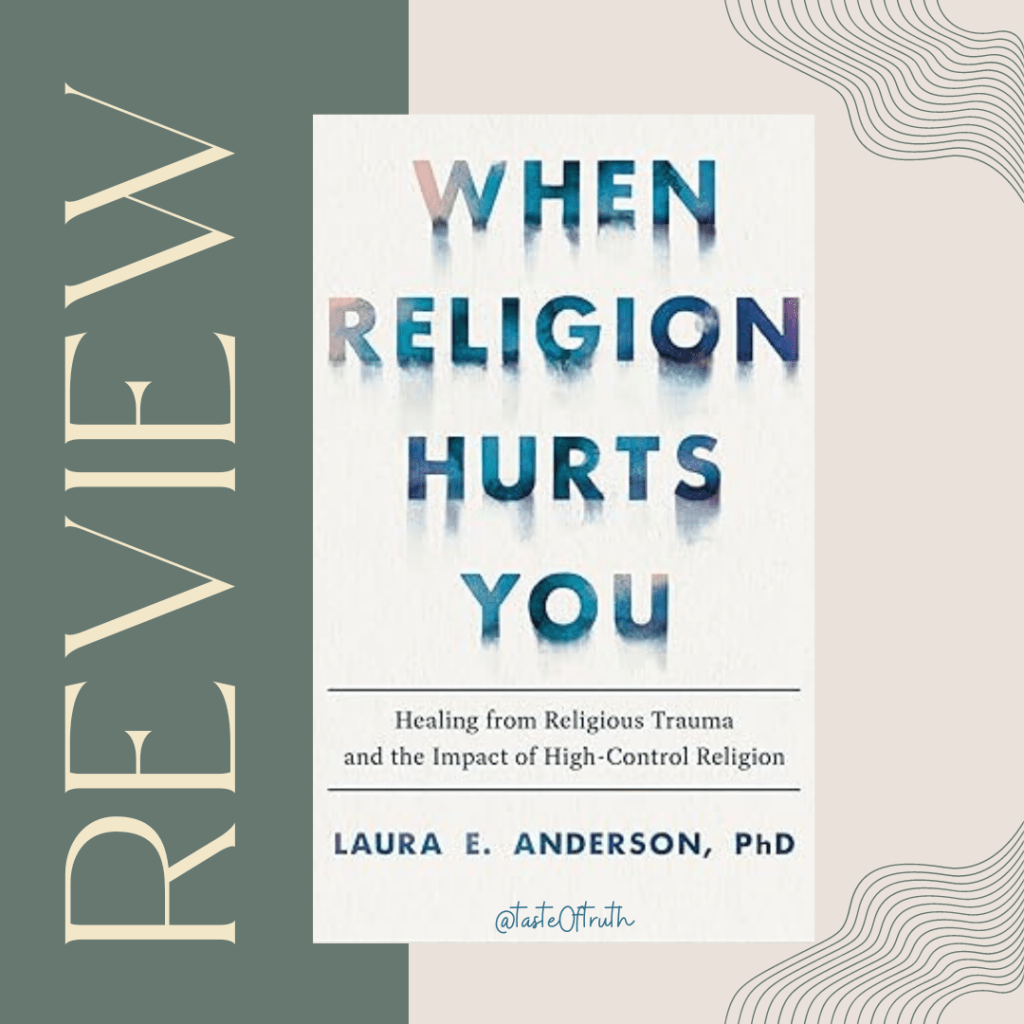
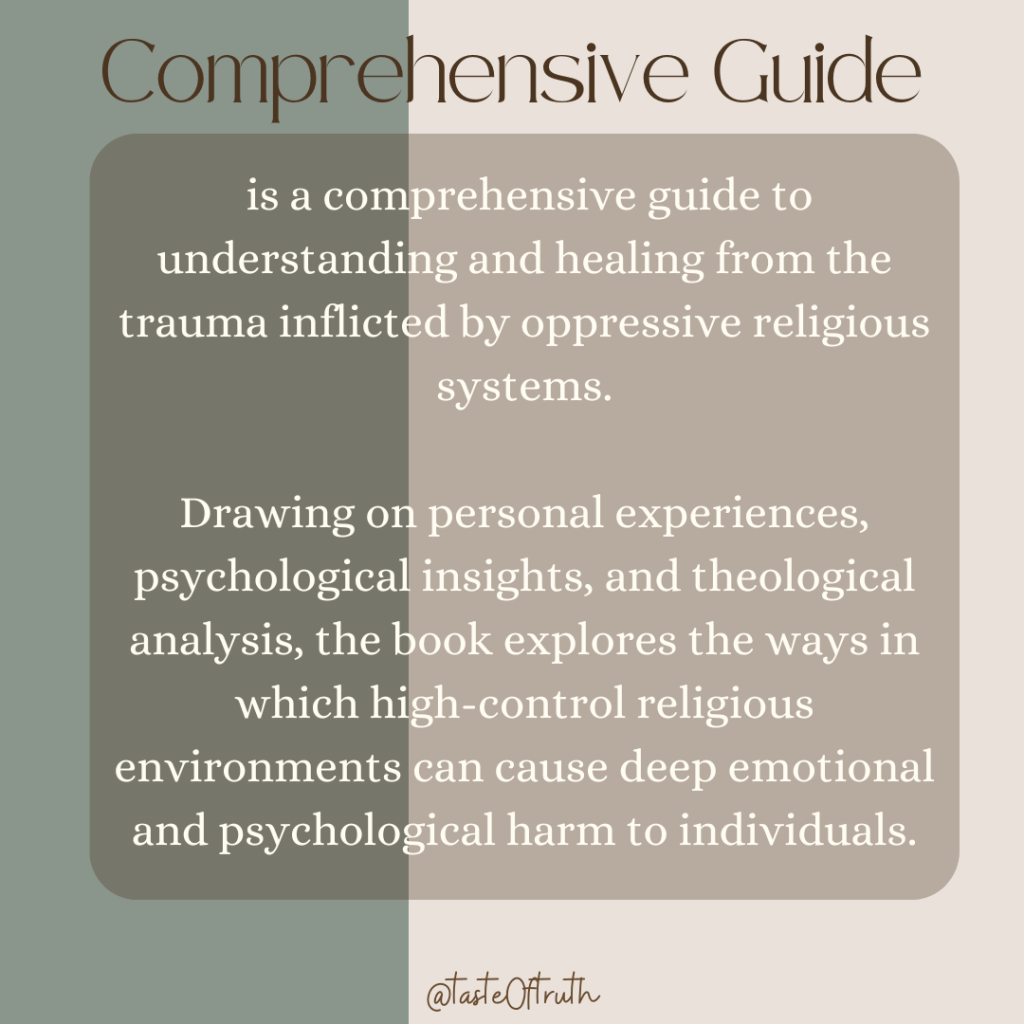
The book When Religion Hurts you has served as a beacon of support and empowerment for those of us who are navigating the complexities of disentanglement from restrictive religious beliefs. It offers validation, guidance, and solidarity to individuals who are embarking on this journey.

Thank you @drlauraeanderson ❤️‍🩹

If you’re looking for more! Please check out these support groups:

https://www.soyouredeconstructing.com/communities

https://www.disrupted.church/becomeadisruptor

The New Evangelicals website

 #deconstructingfaith #trauma #traumainformed #traumahealing #spiritualgrowth #spiritualjourney #church #churchhurt #purityculture #faithtrauma #faith #community #growth #explorepage

Cover-ups within the Church

As y’all know, the deconstruction of Christianity is something I’ve heard of since stepping into the world of theology, but I never thought I’d find myself smack dab in the middle of the movement. There were numerous aspects that led me to begin unraveling, the real smack upside the head, realizing I was within a spiritual abusive biblical counseling relationship and program, that led me to notice the brutal similarities of abuse within IHOPKC, the scandals within the Grace Community Church & ACBC Biblical/Nouthetic counseling. Cover-ups of abuse within the church are deeply troubling & have been documented in various contexts & denominations.

Cover-ups within the institution of the church refer to the deliberate efforts by religious leaders or authorities to conceal or downplay instances of misconduct, abuse, or wrongdoing within the church community. These cover-ups often involve minimizing or denying allegations, protecting perpetrators, silencing victims, and avoiding accountability or legal repercussions.

In many cases, church leaders may prioritize protecting the reputation and image of the institution over addressing the harm caused to individuals who have experienced abuse or misconduct. This can perpetuate a culture of secrecy, mistrust, and impunity within the church, allowing harmful behavior to continue unchecked and undermining the safety and well-being of congregants.

Cover-ups within the church can take various forms, including:

  1. Concealing allegations of abuse or misconduct by clergy or church staff.
  2. Transferring accused individuals to other congregations or positions within the church rather than reporting them to authorities.
  3. Discrediting or intimidating victims who come forward with allegations.
  4. Failing to implement proper protocols for preventing and responding to abuse, such as background checks or training programs.
  5. Withholding information or misleading congregants and the public about the extent of abuse or misconduct within the church.

Key points to consider:

1️⃣Institutional Protection: In some cases, church leaders or institutions have been accused of prioritizing the protection of their reputation or the reputation of the church over addressing allegations of abuse. This can lead to efforts to conceal or minimize reports of abuse, rather than taking appropriate steps to investigate and address them.

2️⃣Failure to Report: In jurisdictions where clergy are mandated reporters of abuse, failure to report allegations of abuse to law enforcement authorities can constitute a form of cover-up. Church leaders who fail to report abuse may face legal consequences and can contribute to ongoing harm to victims and survivors.

3️⃣Impact on Victims: Cover-ups of abuse can have devastating consequences for victims and survivors, who may feel betrayed by trusted religious leaders and institutions. Failure to address abuse allegations can perpetuate cycles of harm and contribute to ongoing trauma and suffering.

4️⃣Lack of Transparency: Cover-ups of abuse often involve a lack of transparency and accountability within the church hierarchy. Victims and survivors may be discouraged or silenced from speaking out, and internal investigations may be conducted without appropriate oversight or impartiality.

Please 🎧 into this week’s podcast, where we explore my journey of disentangling from restrictive religious beliefs and rediscovering personal faith and autonomy!

Listen here! 🎧

These cover-ups can have devastating consequences for victims, perpetuating cycles of abuse, trauma, and disillusionment. They also erode trust in church leadership and contribute to broader societal concerns about institutional integrity and accountability.

Addressing cover-ups of abuse within the church requires a commitment to transparency, accountability, and justice. Church leaders and institutions must prioritize the safety and well-being of all members of their community and take decisive action to prevent and address abuse in all its forms.

#churchhurt #SpiritualAbuse #HidingHurts #SpeakUp #BreakTheSilence #ProtectTheInnocent #HealingJourney #AuthenticConversations #CommunitySupport #FindYourVoice #ChurchDisrupted #Podcast #christian #christianity #religioustrauma #honestyheals #deconstruction #disentanglement #religioustrauma #adversereligiousexperiences #spiritualtruth #progressivechristianity #exvangelical #exevangelical #igotout_org #churchhurt #purityculture
#deconstructioncommunity #deconstruction #deconstructingfaith #disentanglement

BOOK REVIEW: When Religion Hurts You

🎙️ In this week’s podcast episode, we explore my journey of disentangling from restrictive religious beliefs and rediscovering personal faith and autonomy.

Listen here! 🎧

I want to emphasize the importance of critical thinking and personal agency in shaping one’s spiritual journey.

I believe by embracing curiosity, authenticity, and openness to new perspectives, I am inviting listeners to cultivate a deeper, more nuanced understanding of faith that is grounded in personal conviction and integrity.

This book has been truly incredible for me on my deconstruction journey. I mentioned it multiple times in this week’s episode. I cannot recommend it enough!

It serves as a beacon of support and empowerment for those of us who are navigating the complexities of disentanglement from restrictive religious beliefs. It offers validation, guidance, and solidarity to individuals who are embarking on this journey.

Thank you @drlauraeanderson ❤️‍🩹

#deconstruction#disentanglement#religioustrauma#adversereligiousexperiences#spiritualtruth#progressivechristianity#exvangelical#exevangelical#igotout_org#churchhurt#purityculture #religiousdeconstruction #faithdeconstruction #religioustrauma #deconstruction #deconstructingfaith #faithreconstruction #evolvingfaith #churchhurt #faithandmentalhealth #christiancoach #faithreconstructioncoach #toxicchristiancultures #deconstructionjourney #faithjourney #recoveringfrompurityculture #purityculture #purityculturesurvivor #purityculturerecovery #deconstructpurityculture

Are Reformed circles fertile for group think? 🤔

In the book “Winsome Conviction: Disagreeing Without Dividing the Church” by Tim Muehlhoff and Richard Langer, the chapter on “Fellowship or Echo Chamber” explores the tension between fostering genuine fellowship within Christian communities while also confronting the reality of echo chambers-environments where individuals are surrounded by like-minded perspectives, reinforcing their existing beliefs and hindering dialogue with those who hold differing views. This causes the group to minimize conflict and reach a consensus decision without critical evaluation.

The authors argue that while fellowship is essential for building community and unity within the church, it can sometimes lead to echo chambers, where individuals are shielded from diverse perspectives and dissenting voices. This can result in a lack of critical thinking, intellectual growth, and empathy towards those outside one’s own circle.

To address this challenge, the chapter emphasizes the importance of cultivating “winsome conviction”—a posture of engaging with others in a spirit of humility, respect, and openness to differing viewpoints, while still maintaining one’s own convictions. The authors suggest several practical strategies for promoting healthy dialogue and fostering genuine fellowship, including:

  1. Pursuing diverse relationships: Actively seeking out relationships with people who hold different perspectives, backgrounds, and life experiences, both within and outside the church community.
  2. Practicing active listening: Listening attentively to others’ perspectives without immediately jumping to defend or refute one’s own views. This involves empathetically seeking to understand the underlying motivations, values, and concerns of those with whom we disagree.
  3. Engaging in respectful dialogue: Engaging in respectful dialogue with those who hold differing views, avoiding ad hominem attacks, strawman arguments, or dismissive attitudes towards others’ beliefs.
  4. Cultivating intellectual humility: Recognizing the limitations of one’s own knowledge and understanding, and remaining open to the possibility of learning from others, even when they hold opposing views.

Overall, the authors encourage readers to embrace the tension between fellowship and diversity of thought, recognizing that while echo chambers may offer a sense of comfort and security, they ultimately hinder growth, understanding, and genuine fellowship within the church community.

How do you handle navigating echo chambers?

#theology #calvinism #arminianism #theologymatters #reformation #debates #controversial #biblical #doctrine #religion #holyweek #history #groupthink #groupthinking #echochamber

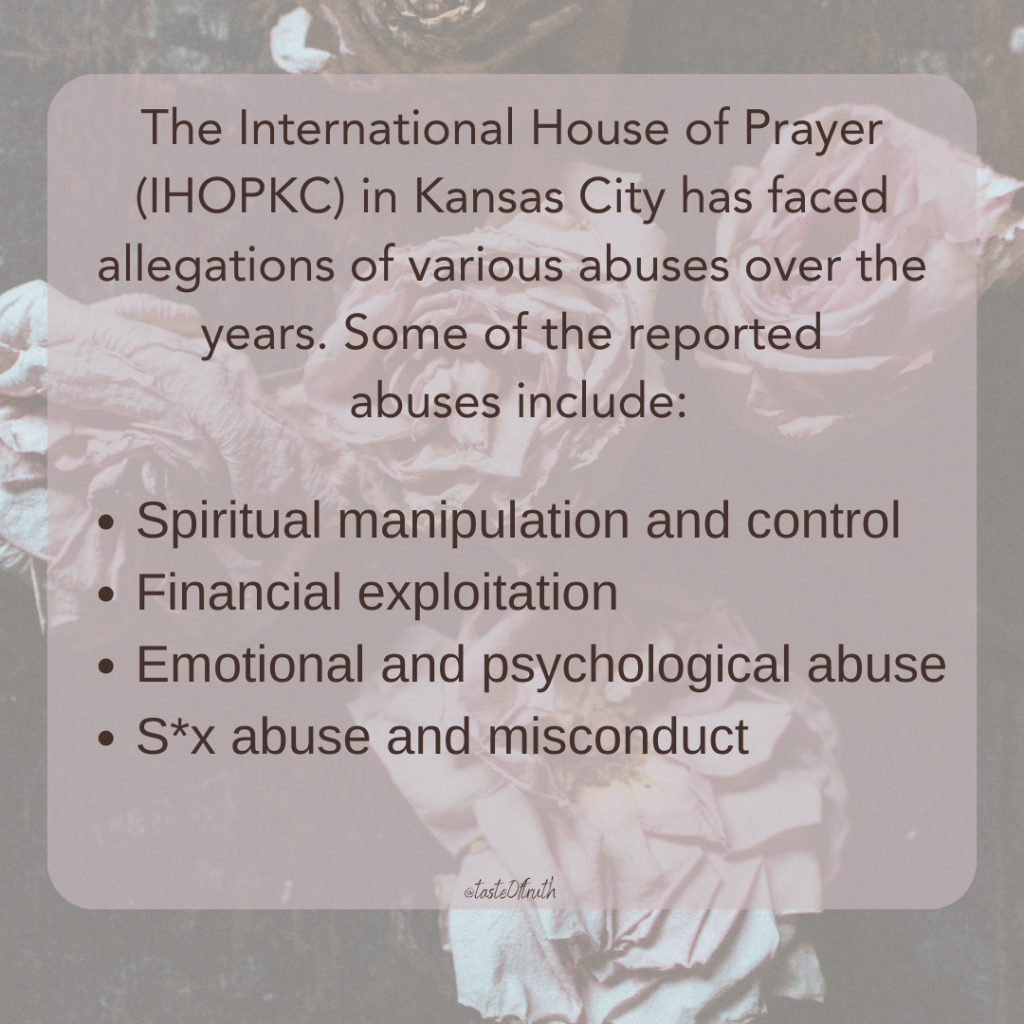
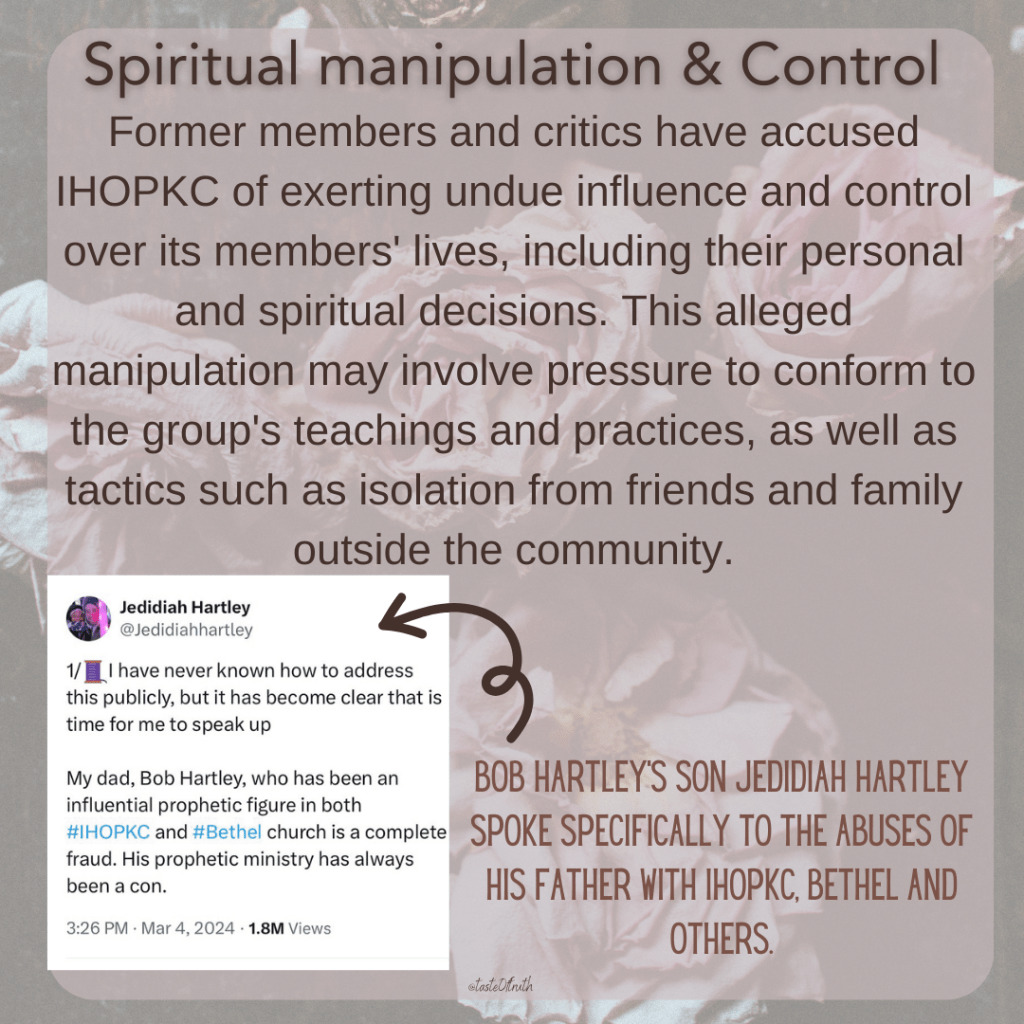
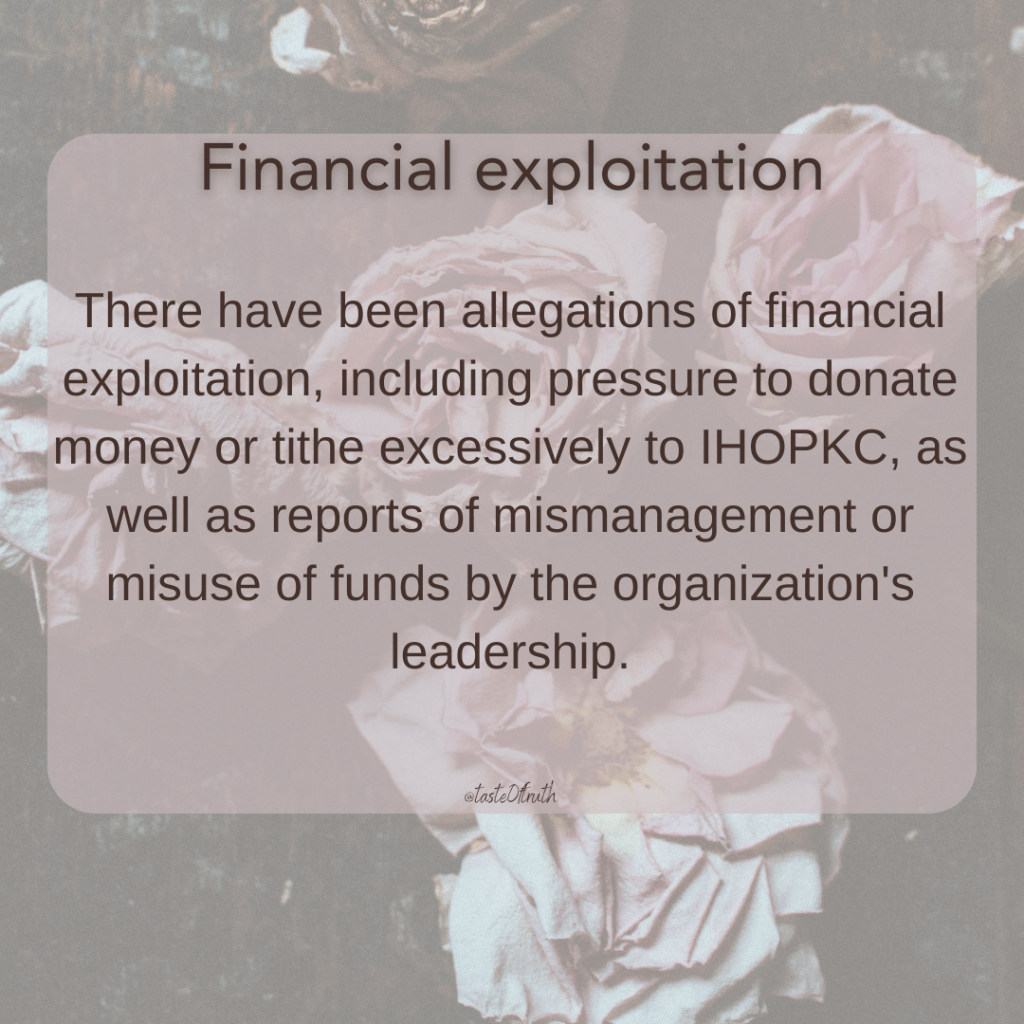
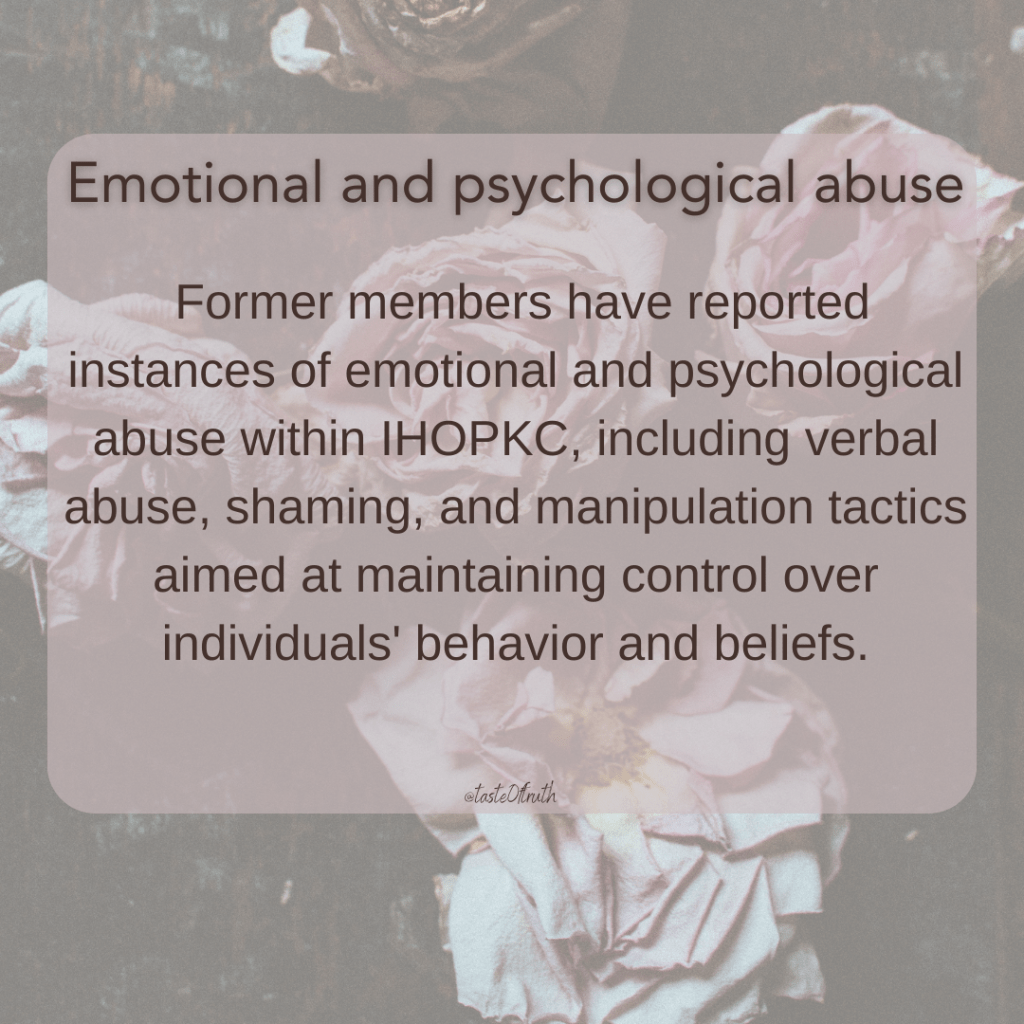
IHOPKC-Manipulation, Deception & Spiritual Harm

🎙️Episode 10 From Falsehood to Freedom: Lessons from a former False Prophetess

This week on the podcast we had Dawn Hill with us who discussed that a HUGE issue with the prophetic prayers and prophetic word movement is the potential for manipulation, deception, and spiritual harm.

I can’t help but to notice the brutal similarities between the approach IHOPKC is taking which is clearly focused on maintaining control and protecting the institution & the scandals within the Grace Community Church & ACBC Biblical/Nouthetic counseling.

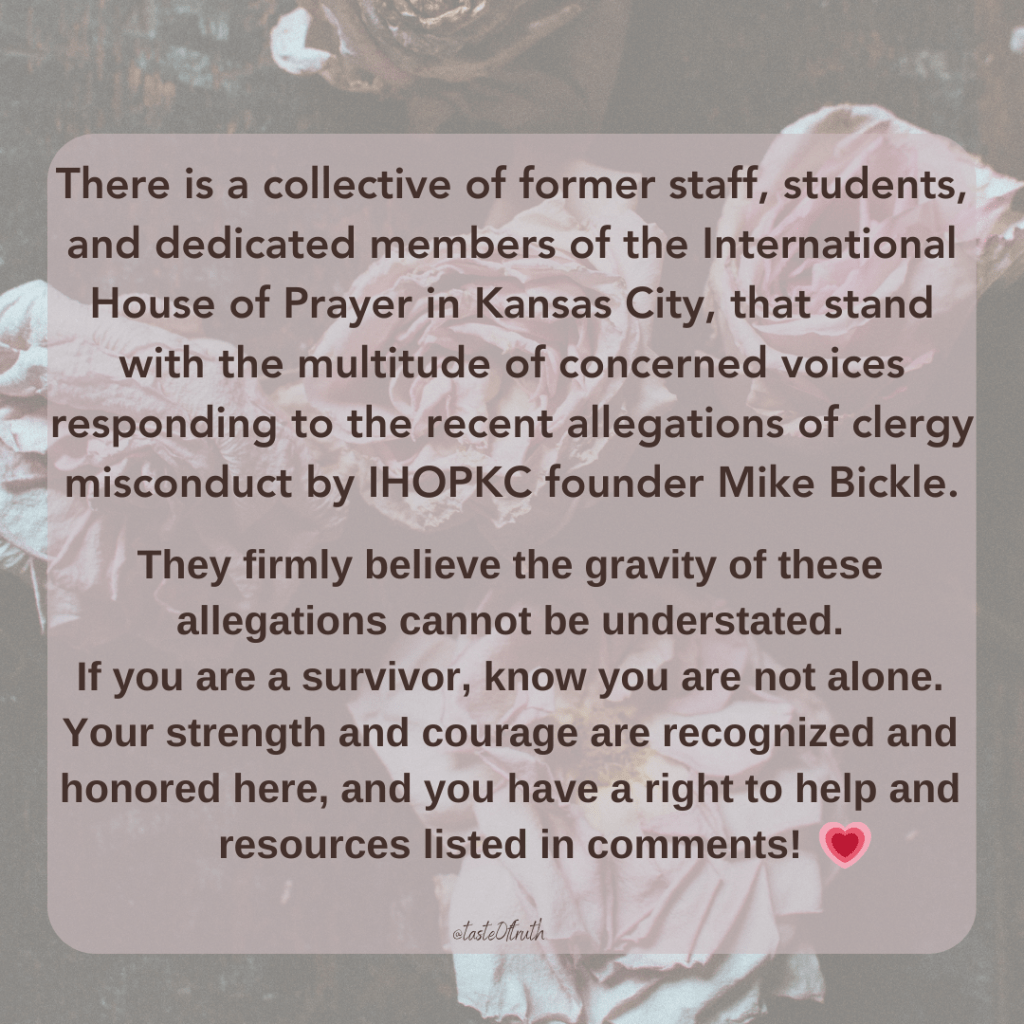
If you or anyone you know has experienced abuse or misconduct within IHOPKC or any other religious organization PLEASE be encouraged to seek support, speak out, and report your experiences to appropriate authorities.

SEEK THEN SPEAK – A tool for sexual assault survivors and support people. Visit seekthenspeak.app to fill out a private survey to gather information and consider your next steps.

MOCSA (Metropolitan Organization to Counter S*xual Assault)

Call the crisis hotline at (816) 531-0233 in Missouri or (913) 642-0233 in Kansas.

DRZ Law Call (913) 400-2033 to request a free case evaluation.

BozLaw PA – Now representing victims of IHOPKC
Visit http://www.bozlawpa.com and fill out the form on the website to request a free case evaluation.

International House of Prayer Founder Mike Bickle Accused …… | News & Reporting | Christianity Today

IHOP Prayer Movement Disputes Link to Murder in Religious …… | News & Reporting | Christianity Today

IHOPKC confirms ‘inappropriate behavior,’ announces permanent split with founder Bickle (msn.com)

Woman Says Mike Bickle Used Prophecy to Sexually Abuse Her (julieroys.com)

IHOPKC Stories – A platform to share your stories