The Deluded Brain: Why Control Feels Safe, Certainty Feels Holy, & Complexity Feels Threatening

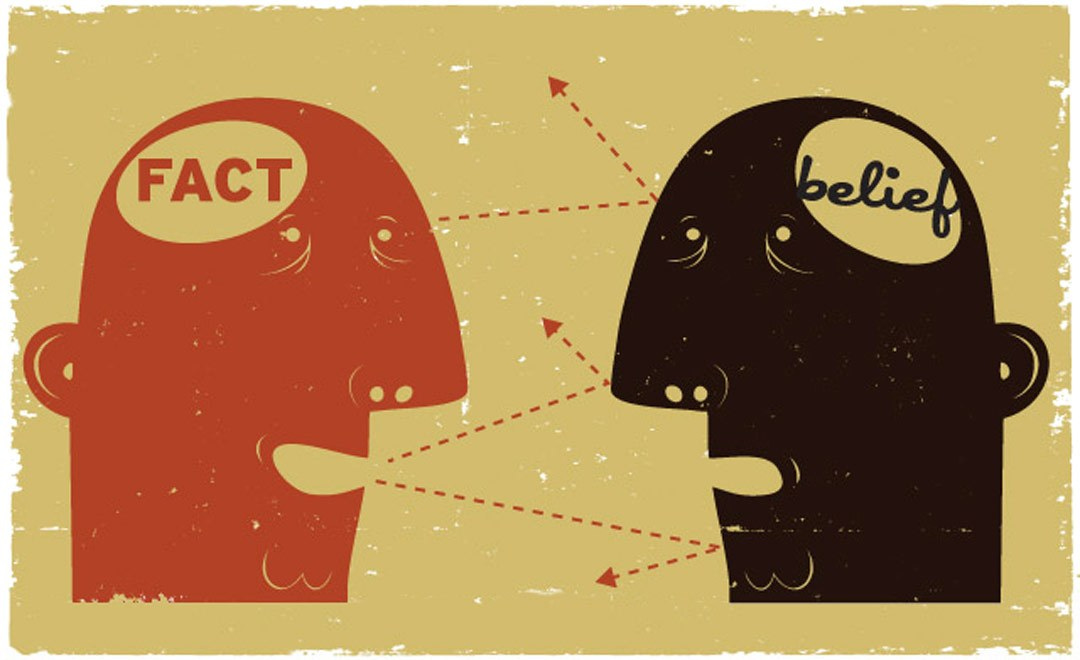
Welcome to Taste Test Thursday! You know how online debates often turn into full-blown keyboard wars? People lash out with rage when their beliefs whether political, religious, or social are challenged. But why? What’s behind these intense, emotional responses?

What if it’s not just about bad ideas, but something deeper a brain imbalance? What if our need for certainty and addiction to outrage comes from the way our brains are wired to process the world?

Today we’re diving into the neuroscience behind these defensive reactions. We’ll see how the brain’s wiring for survival influences everything from ideological rigidity to emotional hijacking. We’re setting the stage for something important that we’ll explore this upcoming Tuesday how Complex PTSD and PTSD are NOT the same thing. This is an episode you won’t want to miss, especially if you’ve ever felt stuck in a cycle of intense emotional reactions that you just can’t control.

Let’s review something we’ve discussed before: Amygdala Hijacking. If you remember, the amygdala is a part of our brain that processes emotions like fear and anger. Now, when the amygdala gets triggered especially in stressful or traumatic situations it can completely bypass the more rational prefrontal cortex. This results in what we call an “emotional hijack,” where the brain goes straight into fight-or-flight mode often in situations that don’t actually require that level of reaction.

This kind of response helps explain why some people find comfort in fundamentalism.

“At its most basic, the allure of fundamentalism, whether religious or ideological, liberal or conservative, is that it provides an appealing order to things that are actually disorderly.”
Peter Mountford The Dismal Science

That line hits at something crucial we have explored many times before: the human brain craves order, especially in the face of chaos. The illusion of control is one of our brain’s favorite coping mechanisms and when we find a system (religious, political, or otherwise) that delivers black-and-white certainty? You get a dopamine hit.

Rigid ideologies offer a tidy framework that feels safe and predictable especially in times of confusion, disillusionment, or personal crisis. That’s not just philosophy. That’s neurology.


When Chaos Was the Norm, Control Becomes a Coping Mechanism

For many of us, rigid beliefs aren’t just intellectual frameworks. They’re emotional survival strategies.

The need for control, the drive for perfection, the desire to be “good enough” to earn love these weren’t just quirks of personality. They were adaptations to childhoods where emotional needs weren’t met. And like many people who grew up in households marked by emotional neglect, those patterns shaped everything: our relationships, our careers, our bodies, and the ideologies we clung to.

Psychologists like Alice Miller and Elan Golomb have long noted how children raised in emotionally unavailable or narcissistic homes often create a false self a version of themselves designed to gain approval and avoid rejection.
It’s a blueprint that gets carried into adulthood, often unconsciously.

That’s why fundamentalist spaces feel so magnetic to people with childhood trauma. They offer:

  • Clear rules instead of emotional chaos
  • “Unconditional” love that’s actually highly conditional
  • A surrogate parent in the form of a deity or ideology that tells you who to be

Religious trauma often echoes family trauma—because it’s a new version of the same wound.


When Identity Is Built on Compliance

When a belief system rewards obedience over curiosity, it recreates the dynamics of an authoritarian household. You’re loved when you perform correctly. You belong when you don’t question. You’re “good” when you conform.

So what happens when you start to deconstruct?

The moment someone questions the “truth,” it’s perceived as a betrayal—not just of doctrine, but of identity and tribe. And that’s when we see:

  • Verbal attacks – Heretic. Traitor. Bigot.
  • Social ostracism – Canceled. Shunned. Ghosted.
  • Online harassment – Dogpiling and moral outrage.
  • Even physical aggression – History is full of examples, from witch hunts to ideological purges.

But this isn’t just about “bad actors.” It’s about brains shaped by fear.

When your childhood taught you that being wrong = being unloved, then someone challenging your beliefs doesn’t just feel uncomfortable it feels unsafe.
Disagreement triggers:

  • Cognitive dissonance – That gut-wrenching anxiety when facts don’t fit your worldview
  • Fear of consequences – Hellfire or public shaming
  • Loss of self – Because the belief was the identity
  • Loss of community – The people who “loved” you might now condemn you
The Brain’s Role in Certainty Addiction

Neuroscience adds another layer here—one that makes ideological rigidity more understandable, even if it’s not excusable.

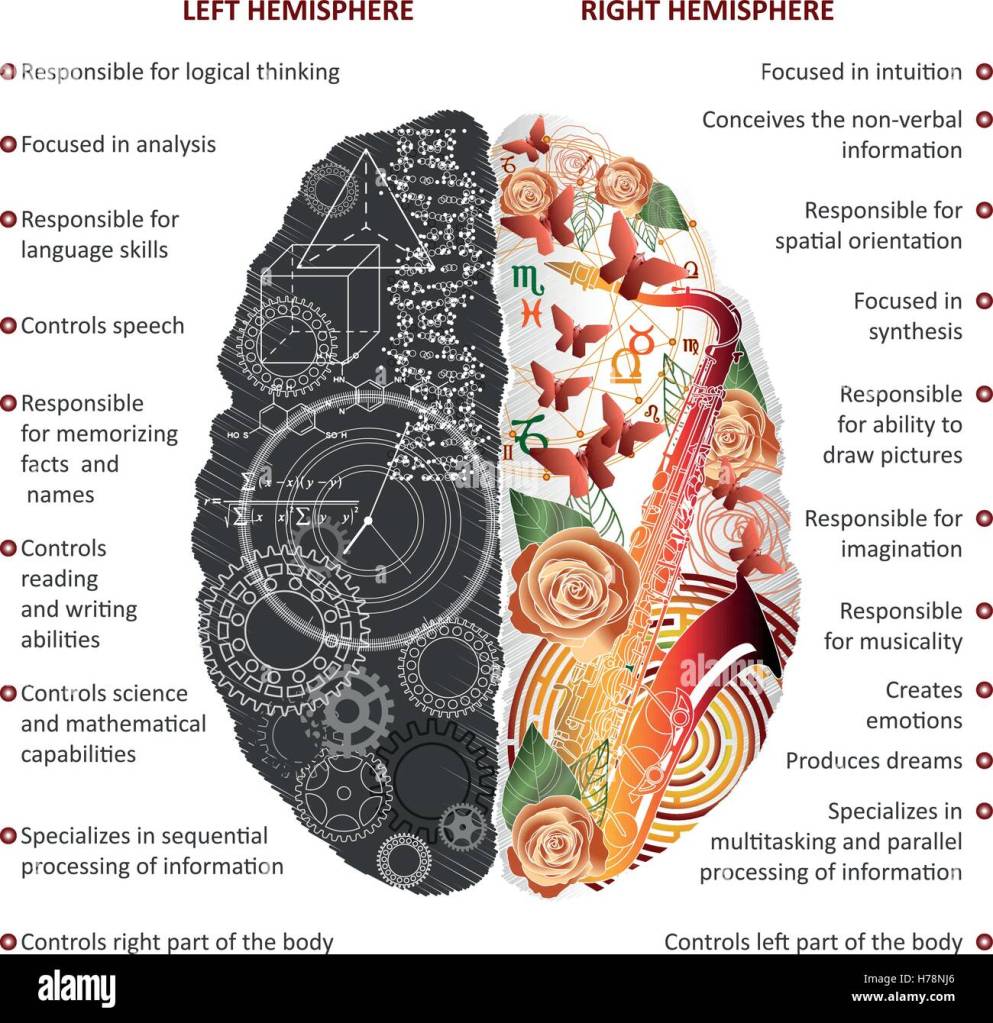
Dr. Iain McGilchrist, in The Master and His Emissary, outlines how the brain’s left and right hemispheres don’t just process information differently—they perceive reality differently.

❌ Not: “Left brain = logic, Right brain = creativity.”
✅ But: “Left brain = control, categorization, and certainty. Right brain = context, relationship, and meaning.”

In a balanced brain, the right hemisphere leads—it sees the big picture, embraces nuance, and stays grounded in lived reality. The left hemisphere refines, classifies, and helps us act.

But modern culture has flipped the script. We’ve let the left hemisphere hijack our perception, reducing the complex to the manageable, the mysterious to the measurable. In this flipped hierarchy:

  • Ambiguity feels threatening
  • Context gets stripped away
  • Relationship is sacrificed for abstraction
  • And certainty becomes a kind of drug

That’s why ideological possession feels so safe. The left brain loves a clear system, even if it’s oppressive. It would rather be certain and wrong than uncertain and real.

So, when someone questions your belief, it’s not just inconvenient. It shatters the left brain’s illusion of control. And when that illusion is all, you’ve known since childhood, the reaction isn’t just intellectual-it’s existential. a threat.


When Belief Becomes Identity

Jonathan Haidt, in The Righteous Mind, explains that we don’t arrive at beliefs through pure logic. We have moral intuitions quick, gut-level judgments and then our reasoning brain (usually the left hemisphere) steps in, not to find the truth, but to defend the tribe.

The moment someone questions our “truth,” we don’t hear it as a conversation—we hear it as an attack.

What happens next?

Verbal Attacks:
When someone questions a core belief, the response often isn’t curiosity—it’s insults, belittling, or outright contempt. In faith spaces, that might look like calling someone a heretic. In political spaces, it’s labels like traitor, bigot, or grifter.

Social Ostracism:
Both religious and political groups punish deviation. Doubters are canceled, excommunicated, or ghosted. Deconstruct your faith? You might lose your church community. Question political orthodoxy? You might lose friends—or your job.

Online Harassment:
The algorithm rewards outrage. Post a thoughtful question about a sacred ideology and you’ll get dogpiled. Our moral tastebuds, as Haidt would say, are being hijacked by dopamine-fueled tribalism.

Physical Aggression:
At the extremes, ideological certainty becomes dangerous. From holy wars to revolutions, the ugliest parts of history stem from one belief: we’re right, and they’re evil.


Why We React This Way: The Psychology of Threat

When beliefs are fused with identity, disagreement feels like annihilation. Especially when the community around us reinforces that fusion. Here’s the pattern:

  • Fear of Deviation: Questioning is framed as betrayal either spiritual or social.
  • Cognitive Dissonance: New ideas create discomfort, and doubling down feels safer than rethinking.
  • Fear of Consequences: From hellfire to being canceled, the cost of questioning is high.
  • Identity Threat: When belief equals self-worth, letting go feels like losing yourself.
  • Social Pressure: Communities often reward conformity and punish dissent.

This is where McGilchrist and Haidt align beautifully: one shows how the brain gets hijacked by the need for control, the other shows how morality binds us to our tribe and blinds us to complexity.


Make-Believe, Morality, and the Group

In our episode with Neil Van Leeuwen, author of Religion as Make-Believe, we unpacked another crucial insight: factual beliefs are flexible, but identity-based beliefs aren’t. They don’t require evidence. In fact, falsehoods often serve the group better because they signal loyalty, not logic.

This is why both sides of a political aisle can believe obviously contradictory things because the truth is secondary to belonging. And once we belong, we don’t think critically–we defend instinctively.


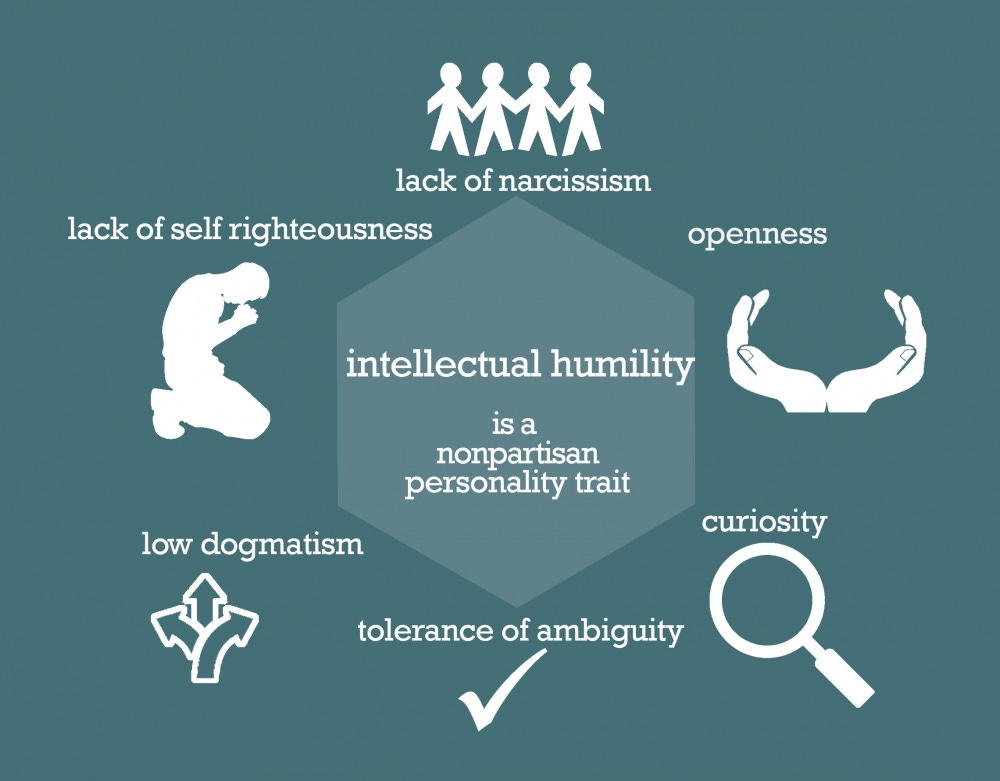
The Antidote: Intellectual Humility

The only way out is through a kind of self-aware disruption.

  • Open Dialogue: Spaces where disagreement isn’t punished—but explored.
  • Supportive Community: Groups that allow for doubt, evolution, and honest questioning.
  • Personal Reflection: A willingness to examine the stories we tell ourselves—and why we need them.
  • Interdisciplinary Curiosity: Instead of staying in one thought silo, we pull from neuroscience, sociology, philosophy, and lived experience.

Fundamentalism, at its core, is the elevation of certainty over curiosity. But healing, freedom, and truth? They live on the other side of that certainty.


So, what’s one belief you once clung to tightly only to realize it wasn’t the whole truth?

Let’s talk about it in the comments.

And remember:

Maintain your curiosity, embrace skepticism, and keep tuning in. 🎙️🔒
We’re not here to worship reason or reject it.
We’re here to see more clearly.

Sources:

  1. Dr. Iain McGilchrist – Left and Right Hemisphere Functions
    McGilchrist, Iain. The Master and His Emissary: The Divided Brain and the Making of the Western World. Yale University Press, 2009.
  2. Alice Miller – Emotional Neglect and the False Self
    Miller, Alice. The Drama of the Gifted Child: The Search for the True Self. Basic Books, 1997.
  3. Elan Golomb – Narcissistic Parenting and Emotional Consequences
    Golomb, Elan. Trapped in the Mirror: Adult Children of Narcissists in Their Struggle for Self. William Morrow, 1992.
  1. Neil Van Leeuwen – Religious Trauma and Belief Systems
    Van Leeuwen, Neil. Religion as Make-Believe: The Religious Imagination and the Design of the World. Cambridge University Press, 2021.
  2. Jonathan Haidt – Moral Psychology and Group Loyalty
    Haidt, Jonathan. The Righteous Mind: Why Good People are Divided by Politics and Religion. Pantheon Books, 2012.

Why Challenging Beliefs Feels Like a Personal Attack—And Why It Shouldn’t

From religion to politics, why deeply held beliefs trigger defensiveness, outrage, and even hostility—and how we can foster better conversations.

We all have seen how the internet seems to bring out everyone’s inner troll. 🧌

The moment a deeply held belief—whether religious or political—is questioned, people lash out with hostility, aggression, or outright rage. Why does this happen? Why do some people react as if their very identity is under attack?

This past summer, we sat down with Dr. Mark Gregory Karris to explore religious trauma, belief deconstruction, and the psychological grip of fundamentalist ideology.

This season on Taste of Truth, we have been expanding the conversation—because this isn’t just about religion. Political ideologies, social movements, and even scientific debates can trigger the same defensive responses.

Fundamentalist thinking—whether in religion or politics—creates a fear-driven, us-vs-them mentality.

At its most basic, the allure of fundamentalism, whether religious or ideological, liberal or conservative, is that it provides an appealing order to things that are actually disorderly. -Peter Mountford

This hits at something crucial that I’ve written about numerous times before: the human brain craves order, even in the face of chaos. The illusion of control is a powerful psychological driver, and our brains reward it with dopamine. Fundamentalist thinking offers a structured, black-and-white framework that feels safe and predictable, making it incredibly appealing—especially in times of uncertainty. It’s why people cling even harder to rigid beliefs when they feel threatened. Whether in faith or politics, the need for certainty can override openness to new information, leading to the defensive reactions we see when those beliefs are questioned.

The moment someone questions the “truth,” it’s perceived as an existential threat, triggering anxiety, cognitive dissonance, and sometimes outright hostility.

Take a look at the patterns:

  • Verbal Attacks: When someone questions a core belief, the response can be insults, shouting, or belittling. For example, in religious circles, someone questioning doctrine might be labeled a heretic, while in political spaces, dissenters might be called traitors or bigots.
  • Social Ostracism: In both fundamentalist religious and political groups, those who challenge the status quo risk being shunned, excommunicated, or “canceled.” A former churchgoer who deconstructs their faith may be cut off from their community, just as someone who questions ideological orthodoxy in politics might lose social standing, friendships, or even career opportunities.
  • Online Harassment: Social media amplifies these reactions. Question a sacred political narrative? Expect dogpiling. Challenge a religious doctrine? Brace yourself for moral outrage. The internet rewards ideological purity and punishes deviation.
  • Physical Aggression: In extreme cases, questioning or challenging deeply held beliefs can escalate to threats or violence. History is littered with examples—holy wars, political purges, ideological revolutions—all stemming from the belief that certain ideas must be defended at any cost.

This isn’t just about bad behavior—it’s about psychology. When beliefs become intertwined with identity, disagreement feels like a personal attack. Fundamentalist teachings—whether religious or ideological—reinforce this by instilling fear of deviation:

  1. Fear of Deviation – Straying from the accepted belief system is framed as dangerous, whether it’s framed as spiritual damnation or societal collapse.
  2. Cognitive Dissonance – Encountering opposing viewpoints creates internal discomfort, making people double down rather than reconsider.
  3. Fear of Consequences – Whether it’s eternal hellfire or being cast out by one’s political tribe, the cost of questioning is framed as too high.
  4. Identity Threat – When beliefs define self-worth, changing one’s mind feels like losing a part of oneself.
  5. Social Pressure – Communities reinforce conformity, and breaking from the group’s ideology invites punishment.

When Morality Binds and Blinds

In The Righteous Mind, Jonathan Haidt explains how moral systems don’t just guide our sense of right and wrong—they also bind us to our tribes and blind us to opposing perspectives. Morality evolved not just to help individuals make ethical choices but to reinforce group cohesion. When we share a moral framework with others, it strengthens social bonds and builds trust. But there’s a cost: once we’re deeply embedded in a moral community—whether religious, political, or ideological—we stop seeing outside perspectives clearly.

This is why people react with such hostility when their beliefs are challenged. They aren’t just defending a set of ideas; they’re defending their sense of identity, belonging, and moral righteousness. A challenge to the belief feels like a challenge to the self—and to the entire group they’re part of.

This also explains why fundamentalist thinking isn’t confined to religion. Political movements, activist groups, and even secular ideologies can exhibit the same rigid certainty, group loyalty, and hostility toward outsiders. The more a belief system becomes tied to identity, the more resistant it is to change—and the more aggressive the response when it’s questioned.

The antidote? Intellectual humility. The ability to recognize that our beliefs, no matter how deeply held, might be flawed. That truth-seeking requires engaging with discomfort. That real conversations happen not when we dig in our heels but when we’re willing to ask, What if I’m wrong?

These dynamics explain why deconstruction—whether of faith or political ideology—often leads to intense backlash. It also reminds me of our conversation with Neil Van Leeuwen, author of Religion as Make-Believe. He pointed out that factual beliefs thrive on evidence, but religious and ideological beliefs function differently. When a belief becomes part of group identity, truth often takes a backseat. In fact, sometimes falsehoods serve the group better because they reinforce belonging.

To close down the conversation, let’s talk about healthy communities—whether religious, political, or social—embrace intellectual humility. Here’s what that looks like:

  • Open Dialogue: Encouraging respectful conversations where differing perspectives are explored rather than attacked.
  • Supportive Community: Allowing for questions, doubts, and evolving beliefs without fear of punishment.
  • Personal Reflection: Cultivating a mindset that prioritizes growth over ideological purity.
  • Interdisciplinary Engagement: Seeking insights from multiple fields rather than reinforcing an echo chamber.

By recognizing these patterns, we can navigate our own beliefs with more self-awareness and engage in discussions that foster curiosity rather than hostility. The question isn’t whether we hold tightly to certain beliefs—it’s whether we’re willing to interrogate why.

So, what’s one belief you’ve held onto tightly that you later questioned?

Let’s talk about it in the comments.

Can We Be Friends Despite Deep Moral and Political Differences?

In today’s world, friendships across moral and political divides may feel rare or even impossible. Yet, building these connections is crucial—not only for personal growth but for fostering a more understanding society. Here are some insights on how we can navigate friendships with those who think differently from us.

1. Prioritize Love and Respect

At the core, friendship is about mutual respect and care. This means loving people for who they are, not just for what they believe. We need to honor each other’s freedom to hold different beliefs and embrace their right to express those views. Friendship doesn’t require absolute agreement, but it does ask for compassion and understanding.

2. Don’t Demand Conformity

Friendship shouldn’t come with a contract that mandates agreement on all things. We shouldn’t require others to conform to our beliefs to be friends, and we shouldn’t yield to pressure to abandon our views just to fit in. True friendship allows for genuine individuality and respects each person’s journey and perspectives.

3. Be Open to Being Challenged—and to Challenging

Healthy friendships can—and should—include respectful debates. This means both parties are open to being challenged and not just the ones delivering the challenge. Friendships across ideological lines help us see our own potential blind spots and remind us of our shared humanity, even when we stand on opposing sides.

4. Avoid Manipulation

Good friends don’t manipulate or control the terms of a discussion. They don’t police each other’s language or attempt to steer the debate to “win.” They allow space for differing points of view, even if it means hearing arguments they might strongly disagree with. Friends listen, give feedback, and respect each other’s right to speak freely.

5. Beware of Becoming an Ideologue

If we’re unable to maintain friendships with those who disagree with us, it may be a sign that we’ve become too rigid in our own beliefs. Ideologues view every conversation as a battleground for their opinions rather than an opportunity to learn. Friendships across divides remind us to remain curious and to avoid slipping into dogmatism.

6. Understand Fallibility Beyond Theory

While many of us recognize, at least in theory, that we’re fallible, true humility shows when our beliefs are challenged. Can we accept the possibility that we may be wrong, even on topics that feel core to our identity? Genuine friendship requires this humility and the strength to accept another person’s differing viewpoint, especially when it stirs discomfort in us.

7. Recognize the Difficulty of Questioning Core Beliefs

When our most cherished beliefs are questioned, it’s natural to feel defensive. Yet it’s precisely in these moments that our strength of character is tested. Friendships can push us to reevaluate and deepen our beliefs, encouraging growth rather than pushing us further into echo chambers.

8. Embrace Truth-Seeking Together

True friends are fellow truth-seekers. They recognize their own fallibility and are open to being both the teacher and the student. They know that their own opinions aren’t the ultimate truth and welcome the exchange of ideas as a chance to grow, rather than as a threat to their identity.

9. Keep Political Conversations Civil and Honest

When it comes to political discussions, the words we choose can either bridge gaps or deepen divides. Friends owe each other honest, civil conversations that seek understanding rather than victory. This means resisting the temptation to label or demean each other with polarizing terms like “garbage,” “racist,” “fascist,” or “woke.” Labels like these oversimplify complex views, reducing people to caricatures and shutting down the opportunity for real dialogue. Instead, approach each conversation with a focus on reasons, providing evidence, and respect, valuing your friend’s perspective even if you don’t share it. In doing so, we uphold the true spirit of friendship and foster a more thoughtful, understanding discourse.

These 9 ideas were inspired by Robert P. Georg McCormick Professor.

In a world that seems increasingly divided, friendships that embrace disagreement are more valuable than ever. These friendships allow us to maintain our individuality while deepening our understanding and empathy. So, yes, we can—and should—be friends with those whose beliefs are vastly different from our own. It may be challenging, but the reward is a friendship built on respect, humility, and a shared commitment to growth.

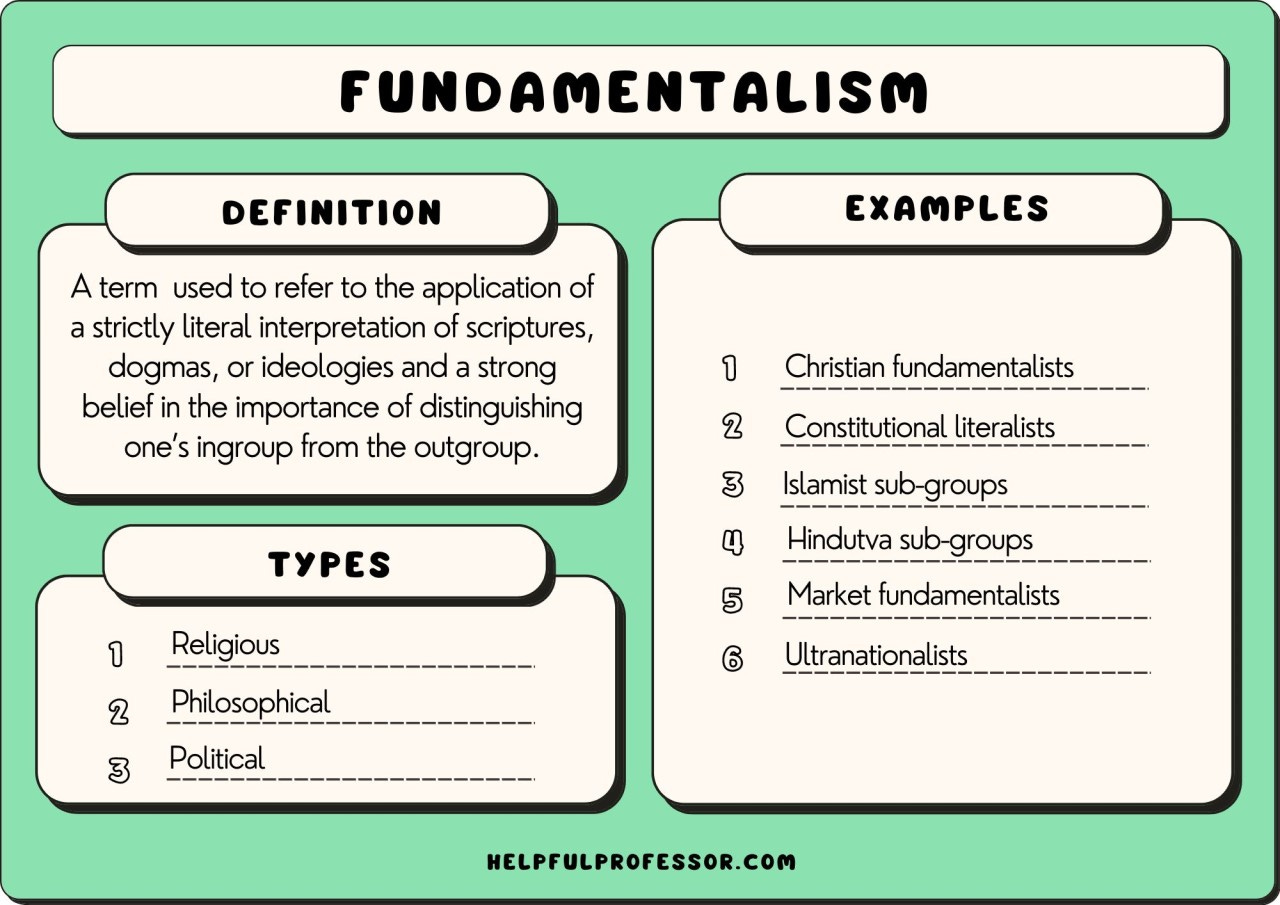
Understanding Fundamentalism: Rigid Beliefs, Division, and Psychological Impact

Fundamentalism refers to a strict adherence to specific theological doctrines typically characterized by a literal interpretation of religious texts. This approach often emphasizes the necessity of returning to the “fundamentals” or original beliefs and practices of a religion. It commonly arises as a reaction against modernist and secular influences perceived to undermine traditional religious values.

Gravitating towards fundamentalism after experiencing hyper-charismatic or new age movements can seem understandable. The strict rules and structure provide a perceived sense of safety. Particularly during times of stress and uncertainty, we can gravitate towards the need for a sense of control & structure. However, this rigidity and extreme control often lead to increased trauma over time.

As I deconstruct from the Christian faith, I am re-evaluating beliefs, questioning long-held doctrines, and confronting the challenges faced within spiritually abusive environments. 

Key features of fundamentalism include:

  • Literalism: Fundamentalists often interpret Scripture texts in a literal or strict manner
  • Inerrancy: Fundamentalists typically uphold the belief in the inerrancy or infallibility of the Bible, viewing them as the ultimate authority in matters of faith and practice. Aka Biblicists
  • Separatism: Fundamentalist movements may advocate for the separation of believers from secular society or from other religious groups deemed to be impure or heretical.
  • Moral Conservatism: Fundamentalists often promote traditional moral values and social norms, opposing practices or lifestyles they perceive as contrary to their religious beliefs.
  • Resistance to Change: Fundamentalists are often resistant to change and innovation within religious doctrine or practice, viewing such developments as departures from true faith.
  • Intolerance: Fundamentalist groups may exhibit intolerance towards individuals or groups who hold different beliefs or lifestyles, leading to discrimination, ostracism, or even violence towards perceived “outsiders” or “heretics.”
  • Dogmatism: Fundamentalist ideology tends to promote rigid, inflexible interpretations of religious or ideological principles, discouraging questioning or exploration of alternative viewpoints.
  • Anti-intellectualism: Critics argue that fundamentalism can foster distrust or rejection of scientific knowledge, critical thinking, and scholarly inquiry, leading to a rejection of evidence-based reasoning and a preference for simplistic, black-and-white thinking

Potential Dangers to Society:

  1. Intolerance and Division:
    • Fundamentalist ideologies often promote an “us versus them” mentality, leading to increased intolerance and division within society. This can result in discrimination against those who do not share the same beliefs​ (Harvard Book Store)​.
  2. Suppression of Dissent:
    • In fundamentalist communities, questioning or deviating from established doctrines is often discouraged or outright condemned, suppressing intellectual freedom and critical thinking​ (Harvard Book Store)​​ (Barnes & Noble)​.
  3. Extremism and Violence:
    • Fundamentalist beliefs can sometimes justify extreme actions, including violence, against those perceived as threats to their worldview. This can lead to acts of terrorism or other forms of conflict and aggression​ (Harvard University Press)​​ (Barnes & Noble)​.
  4. Impact on Individual Rights:
    • Fundamentalism often imposes strict moral codes that can infringe on individual rights, particularly affecting women and minorities. Practices such as gender segregation, limitations on freedom of expression, and enforcement of strict behavioral norms are common​ (Barnes & Noble)​​ (Harvard Book Store)​.
  5. Resistance to Progress and Change:
    • Fundamentalist groups frequently resist scientific, social, and cultural advancements, hindering progress in areas such as education, healthcare, and human rights. This resistance can have broad negative impacts on societal development​ (Harvard Book Store)​.

Fundamentalism’s rigid adherence to traditional beliefs and practices can create significant challenges, fostering environments that can stifle personal freedom, promote division, and sometimes lead to conflict and violence.

Here are some resources that discuss the dangers of fundamentalism from various perspectives, including academic research, books, and articles:

Books

  1. “The Fundamentalist Mindset: Psychological Perspectives on Religion, Violence, and History” by Charles B. Strozier, David M. Terman, and James W. Jones
    • This book provides a psychological analysis of the fundamentalist mindset, exploring how it can lead to intolerance, aggression, and violence.
  2. “Fundamentalism: The Search for Meaning” by Malise Ruthven
    • Ruthven examines the roots of fundamentalism in various religions and its socio-political impact, highlighting how it can lead to social fragmentation and conflict.
  3. “The Battle for God: A History of Fundamentalism” by Karen Armstrong
    • Armstrong traces the history of fundamentalist movements in Christianity, Islam, and Judaism, and discusses their impact on modern society, emphasizing the dangers of dogmatic thinking and resistance to change.

Articles

  1. “The Dangers of Fundamentalism” by Andrew Sullivan (New York Magazine)
    • This article discusses the social and political dangers of religious fundamentalism, particularly its impact on democracy and individual freedoms. Read here.
  2. “The Psychology of Religious Fundamentalism” by Ralph W. Hood Jr., Peter C. Hill, and W. Paul Williamson (Guilford Press)
    • This article explores the psychological mechanisms behind religious fundamentalism and its potential to foster rigid, intolerant, and sometimes violent behavior.
  3. “Fundamentalism and the Control of Women” by Patricia Hill Collins (Journal of Women’s History)
    • Collins discusses how fundamentalist ideologies often lead to the suppression of women’s rights and freedoms, impacting gender equality and social justice.

Academic Papers

  1. “Religious Fundamentalism and Its Impact on Democracy” by Mark Juergensmeyer (Journal of Democracy)
    • This paper explores how fundamentalist movements challenge democratic values and institutions, posing a threat to pluralism and civil liberties. Read here.
  2. “Fundamentalism and the Paradox of Modernity” by Martin E. Marty and R. Scott Appleby (American Academy of Arts and Sciences)
    • The authors analyze the paradoxical relationship between fundamentalist movements and modernity, highlighting the resistance to modern values and the implications for societal progress. Read here.
  3. “The Social Psychology of Religious Fundamentalism” by Roy F. Baumeister, Laura Smart, and Joseph M. Boden (Journal for the Scientific Study of Religion)
    • This paper examines the social psychological aspects of religious fundamentalism, including its impact on group cohesion and intergroup conflict. Read here.

Online Resources

  1. Pew Research Center: Religion & Public Life
    • Pew provides numerous reports and articles on the impact of religious fundamentalism on society, politics, and culture. Visit Pew Research.
  2. BBC: What is Religious Fundamentalism?
    • A concise overview of religious fundamentalism, its characteristics, and its potential dangers to global security and social harmony. Read here.

These resources provide comprehensive insights into the dangers of fundamentalism, illustrating its potential to foster intolerance, social division, and conflict.

 #Deconstruction #SpiritualJourney #Faith #ReligiousTrauma #Authenticity