
Ancestral Religion, Heathen Metaphysics, and the Return of the Heroic Ideal with Wōden’s Kin
What does it actually mean to reclaim an ancestral religion when Christianity has shaped not only our history, but the very way we understand divinity, truth, and our place in the world?
In this episode, I sit down with Osric of Wōden’s Kin to explore Anglo-Saxon Heathenry, the nature of the Gods, heroic virtue, and what it means to recover a worldview nearly erased by centuries of Christianization.
“…one finds in Christianity the seeds of the great mutations that gave birth to the secular ideologies of the first postrevolutionary era. Individualism was already present in the notion of individual salvation and of an intimate and privileged relation between an individual and God that surpasses any relation on Earth…”
-Alain De Benoist and Charles Champetier, Manifesto for a European Renaissance, Arktos, 2012
Early in our conversation, Osric introduces four pillars that form the foundation of his work:
- The Sacred: What should we revere? Our Gods, ancestors, homeland, and the things worthy of honor rather than consumption.
- The Heroic: What should we strive to become? People of courage, discipline, honor, and strength of character.
- The Rooted: Where do we belong? Our connection to place, kin, memory, and the generations before us.
- The Organic: How should we live? Building families, communities, and institutions that support meaningful and enduring lives.
His Turning Point at the Rollright Stones
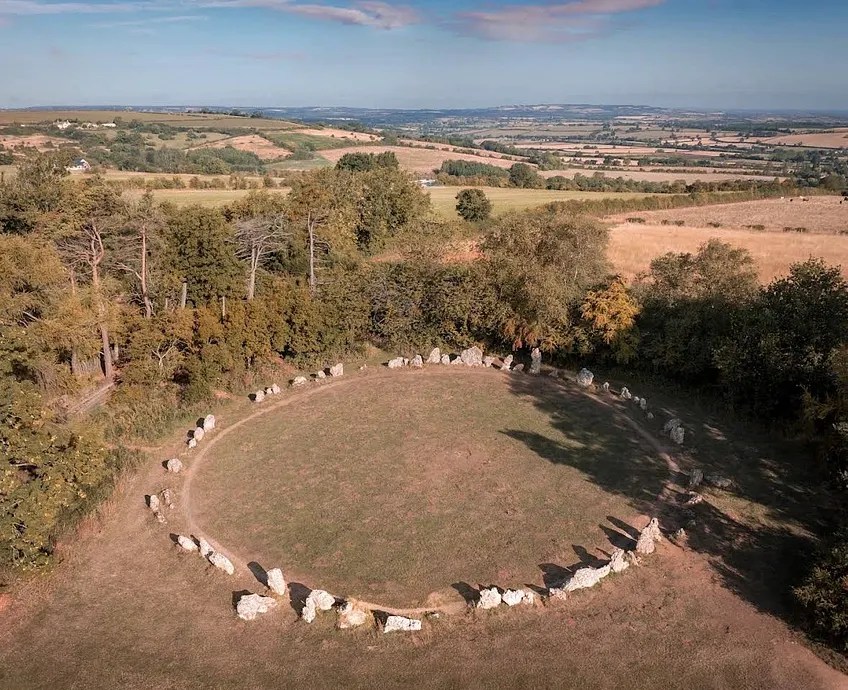
Osric shares an extraordinary experience he had at the Rollright Stones near Chipping Norton, on the Oxfordshire–Warwickshire border. Moments like that are easy for modern people to dismiss or explain away, but they matter. They can change the way a person understands the world and what is possible within it.
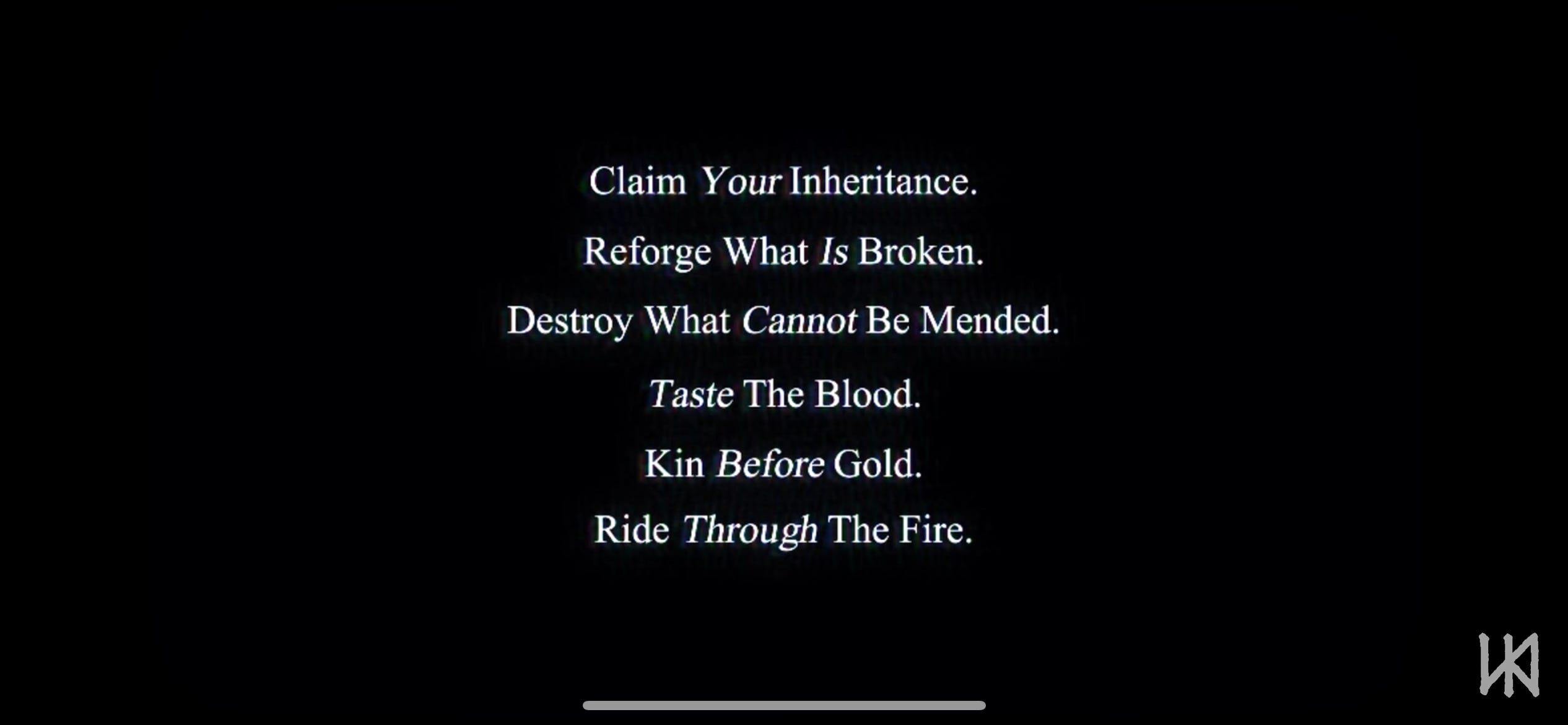
One of my favorite themes from one of his latest videos, is the distinction between rebirth and revolution. He goes over the story of Sigurðr, his father’s shattered sword isn’t discarded. It’s reforged. I believe there’s something worth considering here about preserving what can be repaired rather than destroying everything we’ve inherited.
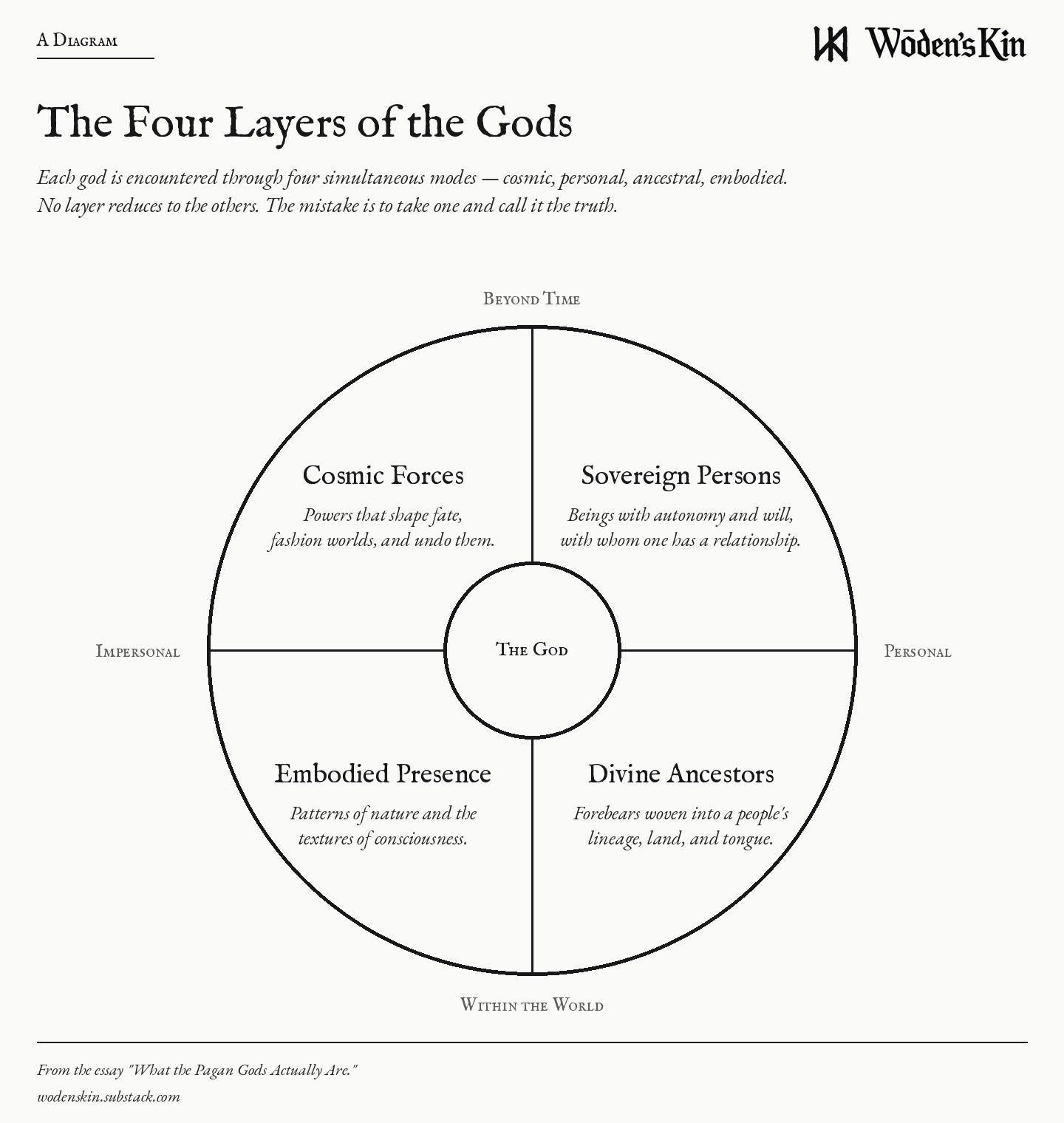
We also get into some of my favorite philosophical territory: the metaphysics of polytheism, the individuality of the Gods, and why we both reject the universalist tendency to insist that all spiritual traditions ultimately lead to the same truth.
Toward the end, we explore the fascinating relationship between consciousness and divine encounters, drawing on Julian Jaynes’s bicameral mind theory and Iain McGilchrist’s work on the brain’s hemispheres. When people across different traditions experience their respective Gods, how much of that encounter is shaped by culture, and how much might reflect something beyond the human mind?
This conversation goes well beyond mythology and politics. It’s about how we understand reality, what we choose to honor, and what might still be worth recovering from the world our ancestors left behind.
Looking forward to hearing your thoughts on this one. And as always, stay curious, embrace skepticism and keep tuning in!
Links:
 Rebuilding the English worldview — spirituality, culture, and systems.
Essays on a Polytheistic Philosophy of Religion by Edward Butler
My questions were drawn from these particular essays:
The Hero We Need in a Collapsing World
Heroism in Civilizational Decline
Ancestral Religion in the Modern World

