Fit for TV: How Screens, Diet Culture, and Reality Shows Rewire Our Bodies and Minds

When Willpower Isn’t Enough: Media, Metabolism, and the Myth of Transformation

You’re listening to Taste Test Thursdays–a space for the deep dives, the passion projects, and the stories that didn’t quite fit the main course. Today, we’re hitting pause on the intense spiritual and political conversations we usually have to focus on something just as powerful: how technology shapes our bodies, minds, and behaviors. We’ll be unpacking a recent Netflix documentary that highlights research and concepts we’ve explored before, shining a light on the subtle ways screens and media program us and why it matters more than ever.

I have a confession: I watched The Biggest Loser. Yep. Cringe, right? Back in 2008, when I was just starting to seriously focus on personal training (I got my first certification in 2006 but really leaned in around 2008), this show was everywhere. It was intense, dramatic, and promised transformation—a visual fairy tale of sweat, willpower, and discipline.

Looking back now, it’s so painfully cringe, but I wasn’t alone. Millions of people were glued to the screens, absorbing what the show told us about health, fat loss, and success. And the new Netflix documentary Fit for TV doesn’t hold back. It exposes the extreme, sometimes illegal methods used to push contestants: caffeine pills given by Jillian Michaels, emotional manipulation, extreme exercise protocols, and food as a weapon. Watching it now, I can see how this programming shaped not just contestants, but an entire generation of viewers—including me.


Screens Aren’t Just Entertainment

Laura Dodsworth nails it in Free Your Mind:

“Television is relaxing, but it also is a source of direct and indirect propaganda. It shapes your perception of reality. What’s more, you’re more likely to be ‘programmed’ by the programming when you are relaxed.”

This is key. Television isn’t just a casual distraction. It teaches, it socializes, and it normalizes behavior. A study by Lowery & DeFleur (Milestones in Mass Communication Research, 1988) called TV a “major source of observational learning.” Millions of people aren’t just entertained—they’re learning what’s normal, acceptable, and desirable.

Dodsworth also warns:

“Screens do not show the world; they obscure. The television screen erects visual screens in our mind and constructs a fake reality that obscures the truth.”

And that’s exactly what reality diet shows did. They created a distorted narrative: extreme restriction and punishment equals success. If you just try harder, work longer, and push further, your body will cooperate. Except, biology doesn’t work like that.


The Metabolic Reality

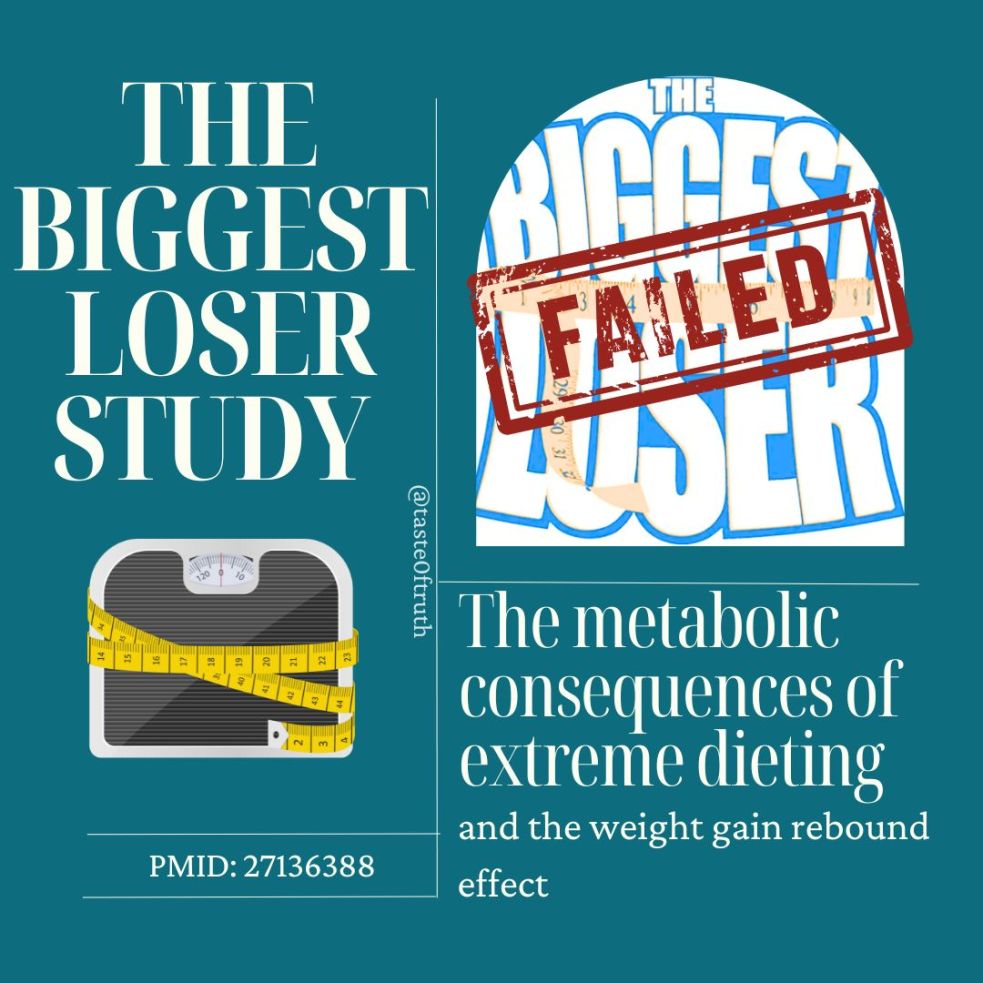
Let’s dig into the science. The Netflix documentary Fit for TV references the infamous Biggest Loser study, which tracked contestants years after the show ended. Here’s what happened:

  • Contestants followed extreme protocols: ~1,200 calories a day, 90–120 minutes of intense daily exercise (sometimes up to 5–8 hours), and “Franken-foods” like fat-free cheese or energy drinks.
  • They lost massive amounts of weight on TV. Dramatic, visible transformations. Ratings gold.
  • Six years later, researchers checked back: most regained ~70% of the weight. But the real kicker? Their resting metabolic rate (RMR) was still burning 700 fewer calories per day than baseline—500 calories less than expected based on regained body weight.
  • In everyday terms? Imagine you used to burn 2,000 calories a day just by living. After extreme dieting, your body was burning only 1,300–1,500 calories a day, even though you weighed almost the same. That’s like your body suddenly deciding it needs to hold on to every calorie, making it much harder to lose weight—or even maintain it—no matter how “good” you eat or how much you exercise.

This is huge. It shows extreme dieting doesn’t just fail long-term; it fundamentally rewires your metabolism.

Why?

  • Leptin crash: The hormone that tells your brain you’re full plummeted during the show. After weight regain, leptin rebounded, but RMR didn’t. Normally, these rise and fall together—but the link was broken.
  • Loss of lean mass: Contestants lost ~25 pounds of muscle. Regaining some of it didn’t restore metabolic function.
  • Hormonal havoc: Chronic calorie deficits and overtraining disrupted thyroid, reproductive, and adrenal hormones. Weight loss resistance, missed periods, hair loss, and constant cold are all part of the aftermath.

Put bluntly: your body is not passive. Extreme dieting triggers survival mode, conserving energy, increasing hunger, and slowing metabolism.

Read more:


Personal Lessons: Living It

I know this from my own experience. Between May 2017 and October 2018, I competed in four bodybuilding competitions. I didn’t prioritize recovery or hormone balance, and I pushed my body way too hard. The metabolic consequences? Echoes of the Biggest Loser study:

  • Slowed metabolism after prep phases.
  • Hormonal swings that made maintaining progress harder.
  • Mental fatigue and burnout from extreme restriction and exercise.

Diet culture and TV had me convinced that suffering = transformation. But biology doesn’t care about your willpower. Extreme restriction is coercion, not empowerment.

Read more:


From Digital Screens to Unrealistic Bodies

This isn’t just a TV problem. The same mechanisms appear in social media fitness culture, or “fitspiration.” In a previous podcast and blog, From Diary Entries to Digital Screens: How Beauty Ideals and Sexualization Have Transformed Over Time, we discussed the dangerous myth: hard work guarantees results.

Fitness influencers, trainers, and the “no excuses” culture sell the illusion that discipline alone equals success. Consistency and proper nutrition matter—but genetics set the foundation. Ignoring this truth fuels:

  • Unrealistic expectations: People blame themselves when they don’t achieve Instagram-worthy physiques.
  • Overtraining & injury: Chasing impossible ideals leads to chronic injuries and burnout.
  • Disordered eating & supplement abuse: Extreme diets, excessive protein, or PEDs are often used to push past natural limits.

The industry keeps genetics under wraps because the truth doesn’t sell. Expensive programs, supplement stacks, and influencer promises rely on people believing they can “buy” someone else’s results. Many extreme physiques are genetically gifted and often enhanced, yet presented as sheer willpower. The result? A culture of self-blame and impossible standards.


Fitspiration and Self-Objectification

The 2023 study in Computers in Human Behavior found that exposure to fitspiration content increases body dissatisfaction, especially among women who already struggle with self-image. Fitspo encourages the internalized gaze that John Berger described in Ways of Seeing:

“A woman must continually watch herself. She is almost continually accompanied by her own image of herself… she comes to consider the surveyor and the surveyed within her as the two constituent yet always distinct elements of her identity as a woman.”

One part of a woman is constantly judging her body; the other exists as a reflection of an ideal. Fitness becomes performative, not functional. Anxiety, depression, disordered eating, and self-objectification follow. Fitness culture no longer focuses on strength or health—it’s about performing an idealized body for an audience.


The Dangerous Pipeline: Fitspo to Porn Culture

This extends further. Fitspiration primes women to see themselves as objects, which feeds directly into broader sexualization. Porn culture and the sex industry reinforce the same dynamic: self-worth tied to appearance, desire, and external validation. Consider these stats:

  • Over 134,000 porn site visits per minute globally.
  • 88% of porn scenes contain physical aggression, 49% verbal aggression, with women overwhelmingly targeted (Bridges et al., 2010).
  • Most youth are exposed to pornography between ages 11–13 (Wright et al., 2021).
  • 91.5% of men and 60.2% of women report watching porn monthly (Solano, Eaton, & O’Leary, 2020).

Fitspiration teaches the same objectification: value is appearance-dependent. Social media and reality TV prime us to obsess over performance and image, extending beyond fitness into sexualization and body commodification.

Read more:

Netflix Documentary: The Dark Side

Fit for TV exposes just how far the show went:

  • Contestants were given illegal caffeine pills to keep energy up.
  • Trainers manipulated emotions for drama—heightened stress, shame, and competitiveness.
  • Food was weaponized—rationed, withheld, or turned into rewards/punishments.
  • Exercise protocols weren’t just intense—they were unsafe, designed to produce dramatic visuals for the camera.

The documentary also makes it clear: these methods weren’t isolated incidents. They were systemic, part of a machine that broadcasts propaganda as entertainment.


The Bigger Picture: Propaganda, Screens, and Social Conditioning

Dodsworth again:

“Watching TV encourages normative behavior.”

Shows like The Biggest Loser don’t just affect contestants—they socialize an audience. Millions of viewers internalize: “Success = willpower + suffering + restriction.” Social media amplifies this further, nudging us constantly toward behaviors dictated by advertisers, algorithms, and curated narratives.

George Orwell imagined a world of compulsory screens in 1984. We aren’t there yet—but screens still shape behavior, expectations, and self-perception.

The good news? Unlike Orwell’s telescreens, we can turn off our TVs. We can watch critically. We can question the values being sold to us. Dodsworth reminds us:

“Fortunately for us, we can turn off our television and we should.”


Breaking Free

Here’s the takeaway for me—and for anyone navigating diet culture and fitness media:

  1. Watch critically: Ask, “What is this really teaching me?”
  2. Respect biology: Your body fights extreme restriction—it’s not lazy or weak.
  3. Pause before you absorb: Screens are powerful teachers, but you have the final say.

The bigger question isn’t just “What should I eat?” or “How should I train?” It’s:

Who’s controlling the story my mind is telling me, and who benefits from it?

Reality shows like The Biggest Loser and even social media feeds are not neutral. They are propaganda machines—wrapped in entertainment, designed to manipulate perception, reward suffering, and sell ideals that are biologically unsafe.

I’ve lived some of those lessons firsthand. The scars aren’t just physical—they’re mental, hormonal, and metabolic. But the first step to freedom is seeing the screen for what it really is, turning it off, and reclaiming control over your body, mind, and reality.

Thank you for taking the time to read/listen!

🙏 Please help this podcast reach a larger audience in hope to edify & encourage others! To do so: leave a 5⭐️ review and send it to a friend! Thank you for listening! I’d love to hear from you, find me on Instagram!⁠⁠⁠ @taste0ftruth⁠⁠⁠ , @megan_mefit , ⁠⁠⁠ Pinterest! ⁠⁠ ⁠ Substack and on X! 

Until then, maintain your curiosity, embrace skepticism, and keep tuning in! 🎙️🔒

🆕🆕This collection includes books that have deeply influenced my thinking, challenged my assumptions, and shaped my content. ⁠Book Recommendations – Taste0ftruth Tuesdays

How to AVOID bad fitness advice

Navigating the Sea of Experts

In today’s digital age, it seems like everyone on social media is an “expert” in health, fitness, and nutrition. With so many voices claiming to have the answers, how can you tell what’s actually beneficial, what’s mediocre, and what might harm your progress? Let’s break it down and help you navigate this complex landscape.

Credentials Matter—But Don’t Get Fooled

While it’s important to consider credentials, they don’t guarantee good advice. Registered Dietitians, Certified Nutritionists, and certifications from organizations like ISSA, ACE, NASM, NCSF, AFFA, ACSM, NETA, and more can show that someone has taken the time to learn. However, even those with certifications can spread misinformation. We’ve seen firsthand how regulatory agencies can be captured by outside interests and how lobbying can influence what gets taught.

If you’re considering working with a coach or trainer, don’t hesitate to ask about their credentials. Slide into their DMs or ask in person: What do those letters behind your name mean?

Educated Recommendations: The “Why” and “How”

Your coach or mentor should have a clear understanding of the “WHY” and the “HOW” behind their recommendations. It’s not just about pushing a workout or diet plan—it’s about making sure you understand the reasoning behind every decision.

When they introduce something new to you, it shouldn’t feel like a sales pitch for their latest product. Instead, ask questions to dig deeper:

  • Why am I doing this?
  • How does this work?
  • What’s happening inside my body to promote these changes?
  • How will this help me achieve my goals while keeping me safe and healthy?
  • Can you teach this to me in another way so I firmly understand it?

These questions will not only help you grasp the concept, but they’ll also weed out anyone who can’t explain their reasoning. If they can’t give you a clear answer, it may be time to move on.

The Bottom Line: Trust Your Instincts

If something feels off, triggering, or harmful to you, trust your gut and ask questions. Don’t let flashy marketing, unrealistic promises, or a push to sell products convince you that something is right for you. Your body and health deserve the best, and that means getting information that is clear, evidence-based, and tailored to your needs.

Remember, the best fitness advice comes from someone who can explain, educate, and empower you, not someone who’s just looking to make a sale. Stay curious, stay skeptical, and don’t be afraid to ask the tough questions. Your fitness journey is too important to leave in the hands of someone who can’t back up their advice.

Metabolism Myths: Why Dieting Fails

Let’s dismantle the myths, explore the facts, and learn how to stop fighting against your body and start working with it.

Welcome to Taste of Truth Tuesdays—where we challenge the quick-fix culture, dive deep into the science, and find practical ways to take care of our bodies and minds. Today we’re tackling a hot topic: weight loss—or more accurately, fat loss—and why I preach the mantra: “You’ve got to earn the right to diet.”

Our culture is obsessed with weight loss—seriously, it’s everywhere. It’s in magazine headlines, social media posts, and those cringe-worthy commercials promising “30 pounds in 30 days!”

But here’s the deal: when we talk about weight loss, what most of us really want is fat loss. And that’s a critical distinction. For example, when we discussed in our opening episode about Ozempic, some people using the drug experience muscle loss and lower bone density, increasing the risk of injury—especially for older adults. So, losing “weight” can mean losing muscle, water, or even bone density—not exactly what we’re aiming for, right?

Before diving into dieting strategies, let’s start with the fundamentals: metabolism, daily energy needs, and why chasing fat loss without preparation often backfires.


Understanding Metabolism and Energy Needs

First, to break down the metabolism, let’s chat about your Total Daily Energy Expenditure—TDEE, for short. This is the total amount of energy (aka calories) your body burns in a day. Think of it like your budget: how much energy you’re spending to stay alive, digest food, and live your life.

Here’s what makes up your TDEE:

  • 1. Resting Metabolic Rate (RMR)
    • This is your body’s baseline energy burn—the calories you need just to breathe, pump blood, and stay alive.
    • Body size & muscle matter: More muscle means burning more calories, even when you’re chilling on the couch.
    • Age matters too: As we age, we lose muscle and, unfortunately, burn fewer calories. But guess what? It’s never too late to hit the weights and change that!
  • 2. Thermogenesis
    • This is the heat your body produces to maintain a stable temperature. It also includes the Thermic Effect of Food (TEF)—the energy required to digest, absorb, and store the food you eat. About 10% of the calories you consume go toward this process, proving that even digestion is hard work!
  • 3. Physical Activity
    • This includes both Exercise Activity and Non-Exercise Activity Thermogenesis (NEAT)—everyday movements like walking, housework, thinking, carrying groceries, or even fidgeting. NEAT can make up 15% of your TDEE, while intentional exercise typically contributes around 5%. Never underestimate the power of a good walk!

Fat Loss ≠ Weight Loss

Here’s the thing: your body isn’t a spreadsheet. It doesn’t see your calorie deficit and say, “Oh great, let’s burn fat!” Instead, your body adapts to survive. When you cut calories too hard or for too long, your body gets the message: famine alert! It starts conserving energy and prioritizing survival.

The result? You feel tired, your hair starts thinning, your period might disappear, and fat loss grinds to a halt. This is called metabolic adaptation, and it’s a feature—not a bug. Your body’s goal is survival, not helping you fit into your old jeans.

The Metabolic Aftermath – Lessons from The Biggest Loser

Let’s get into the nitty-gritty science of why extreme dieting is a metabolic disaster waiting to happen. Remember the Biggest Loser study we teased in the first episode of this season? Well, buckle up because we’re about to unpack it further.

To recap: contestants on The Biggest Loser followed an intensely restrictive protocol. They ate roughly 1,200 calories per day and worked out like machines—90 minutes of intense exercise six days a week, sometimes up to five or eight hours daily, according to some contestants. Their grocery lists? Approved by their trainers, and dominated by so-called “Franken-foods” like fat-free cheese and energy drinks. The result? Drastic weight loss during the season. But the aftermath tells a much darker story.

The Study: What Happened Post-Show?

In 2015, six years after their stint on the show, researchers revisited the contestants. By then, they’d regained about 70% of the weight they lost—but their metabolisms didn’t bounce back. In fact, their resting metabolic rate (RMR) was still burning 700 fewer calories per day than when they first started the show. That’s 500 calories less than predictive equations would expect based on their regained body weight. This is a huge deal.

Participants also lost 25 pounds of lean mass during the filming of the show. They did regain about 13 pounds of it, but their RMR didn’t increase accordingly. Usually, regaining lean mass helps boost your metabolism, but not for these contestants. Their bodies were still in “conservation mode.”

Why? Because extreme calorie deficits and grueling exercise regimens wreak havoc on your body’s hormonal systems:

  • Leptin, the hormone that signals fullness and regulates energy expenditure, plummeted during the show. After contestants regained weight, leptin levels rebounded, but their RMR didn’t follow suit. Normally, these two rise and fall together, but the link was severed.
  • These metabolic adaptations weren’t just temporary—they lingered years later, showing that the body doesn’t easily forgive extreme restriction.

What Does This Mean for Us?

Many people think fat loss is all about willpower or psychological resilience. But as this study shows, extreme dieting fundamentally changes your physiology. Your body isn’t just sitting idly while you slash calories; it’s actively fighting back to keep you alive. Once that metabolic “check engine” light goes on, calorie restriction becomes far less effective than it was at the start. This is why dieting feels so much harder over time.

The Cost of Chronic Dieting

The Biggest Loser study highlights the long-term consequences of metabolic adaptation, a normal bodily response to extreme or chronic dieting. Here’s what can happen:

  • Disrupted leptin and ghrelin levels, which throw off hunger and satiety cues.
  • Upregulated adrenal activity and downregulated thyroid and reproductive hormones, leading to weight-loss resistance, missed periods, hair loss, and constant coldness.
  • Loss of muscle mass, which lowers your RMR and makes it harder to maintain fat loss.

This is why I preach: You’ve got to EARN THE RIGHT TO DIET!

Coaching Clients Out of the Yo-Yo Cycle

When new clients come to me, fat loss is often their top goal. But most have already been through cycles of yo-yo dieting, binge eating, and sporadic exercise routines. Many are already in a metabolically downregulated state without realizing it.

Instead of diving into another calorie deficit, we work on stabilizing their foundation first.

  • We focus on sustainable habits: consistent workouts, balanced meals, and a healthier relationship with food.
  • We optimize metabolism through resistance training, proper nutrition, and enough recovery.
  • We work on mindset: reframing negative self-talk, building body confidence, and learning to appreciate progress beyond the scale.

Once we’ve mastered these basics, a fat-loss phase—if desired—becomes a healthier, more effective process.

Your Body Isn’t Broken—It’s Adaptable

The takeaway here? Our bodies are designed to survive famines, not crash diets or “shredding for summer.” You can still have aesthetic goals, but you need to respect the incredible adaptability of your metabolism. By avoiding extremes and building metabolic efficiency, you can achieve your goals without wrecking your long-term health.


Let’s dive into the sneaky sneaky metabolic red flags—the subtle, often-overlooked signs that your metabolism is waving a caution flag without setting off obvious alarms. Here are a few that might fly under the radar:

1. Digestive Woes

  • Persistent constipation, bloating, or irregular bowel movements. These can indicate sluggish digestion linked to metabolic slowdown, as the body conserves energy by slowing non-essential functions.
  • Feeling too full or nauseous after small meals, which could signal a dysregulated gut-brain connection from chronic stress or extreme dieting.
  • How you can start addressing this:
    • Support your gut: Add fermented foods like kefir, sauerkraut, or kimchi for probiotics. Pair these with fiber-rich prebiotics (think asparagus, oats, and onions).
      Ease into meals: Practice mindful eating—slow down, chew thoroughly, and avoid distractions to help your digestion catch up.

2. Resting Heart Rate Changes

  • Lower-than-normal resting heart rate (Sudden spikes in heart rate during light activity could mean your body is stressed and overcompensating.
  • How you can start addressing this:
    • Monitor stress: Incorporate daily relaxation practices like deep breathing, yoga, or meditation to keep your nervous system in check.
    • Increase electrolytes: Boost potassium (bananas, avocados) and magnesium (almonds, spinach or supplements) intake for better heart regulation.

3. Skin and Nail Changes

  • Dry, flaky skin or increased sensitivity to cold due to impaired circulation.
  • Vertical ridges or brittleness in nails, signaling nutrient deficiencies like iron or biotin depletion.
  • How you can start addressing this:
    • Prioritize nutrient-dense animal foods: Incorporate foods like beef liver (rich in vitamin A and zinc), pasture-raised egg yolks, and grass-fed butter for skin elasticity and nail strength.
    • Collagen and gelatin: Include bone broth or collagen-rich cuts like oxtail and shanks to support skin, hair, and nails from the inside out.
    • Omega-3s from wild-caught fish: Salmon, mackerel, and sardines are excellent for reducing inflammation and promoting healthy skin.
    • Hydration through broths: Instead of plain water, hydrate with mineral-rich broths or herbal teas to balance electrolytes and nourish your body.

4. Random Muscle Cramps or Twitches

  • Could be a result of electrolyte imbalances from overexercising or undereating.
  • How to start addressing this:
    • Balance electrolytes: Add a quality electrolyte supplement, especially if you sweat a lot during workouts.
    • Stretch + magnesium: Use stretches and add magnesium glycinate or citrate before bed to reduce cramps.

5 Brain Fog and Forgetfulness

  • Struggling to focus or experiencing slower mental processing, which can result from inadequate glucose availability or dysregulated cortisol levels.
  • How to start addressing this:
    • Fuel your brain: Don’t fear carbs—opt for slow-digesting options like sweet potatoes or quinoa. Pair them with protein and fats for sustained energy.
    • Blood sugar balance: Keep meals consistent in timing and composition (protein + fat + fiber) to avoid crashes.

6. Reduced Appetite

  • Wait, what? Yes! A suppressed appetite after prolonged dieting is a sneaky sign of a dampened leptin response, your body’s way of conserving energy.
  • How to start addressing this:
    • Eat smaller, nutrient-dense meals: Focus on foods that pack a punch like eggs, nuts, and Greek yogurt to avoid overwhelming your system.
    • Gentle refeeding: Gradually increase calories, especially from whole, unprocessed sources, to rebuild your body’s trust. (We talk about this further down in the blog!)

7. Waking Up Exhausted

  • Even after a full night’s sleep, waking up feeling like you didn’t rest at all can be due to poor recovery from stress or disrupted sleep stages (thanks, cortisol and ghrelin!).
  • How to start addressing this:
    • Improve sleep hygiene: No screens an hour before bed, a dark room, and consistent bedtime routines can work wonders.
    • Focus on protein at breakfast: A high-protein breakfast (30-40g) stabilizes cortisol and sets you up for better energy.

8. Dull Libido or No Interest in Sex

  • A metabolic system that’s in survival mode often deprioritizes reproduction.
  • How to start addressing this:
    • Check hormones: Get labs done to check for imbalances in thyroid, sex hormones, or cortisol.
    • Increase zinc: Shellfish, beef, and pumpkin seeds are great for boosting hormones like testosterone.

9. Random Injuries or Slow Healing

  • Susceptibility to injuries like strains or joint pain, and delayed recovery from workouts or cuts, hinting at insufficient energy and nutrients for repair.
  • How to start addressing this:
    • Focus on anti-inflammatory foods: Fatty fish, berries, and leafy greens can help repair tissue.
    • Scale back intensity: Opt for lighter workouts until your body starts feeling strong again.

These subtle signs don’t scream “your metabolism is broken!”—but together, they can whisper it pretty loudly. 


So, finally, what do I mean when I say, “Earn the right to diet”?

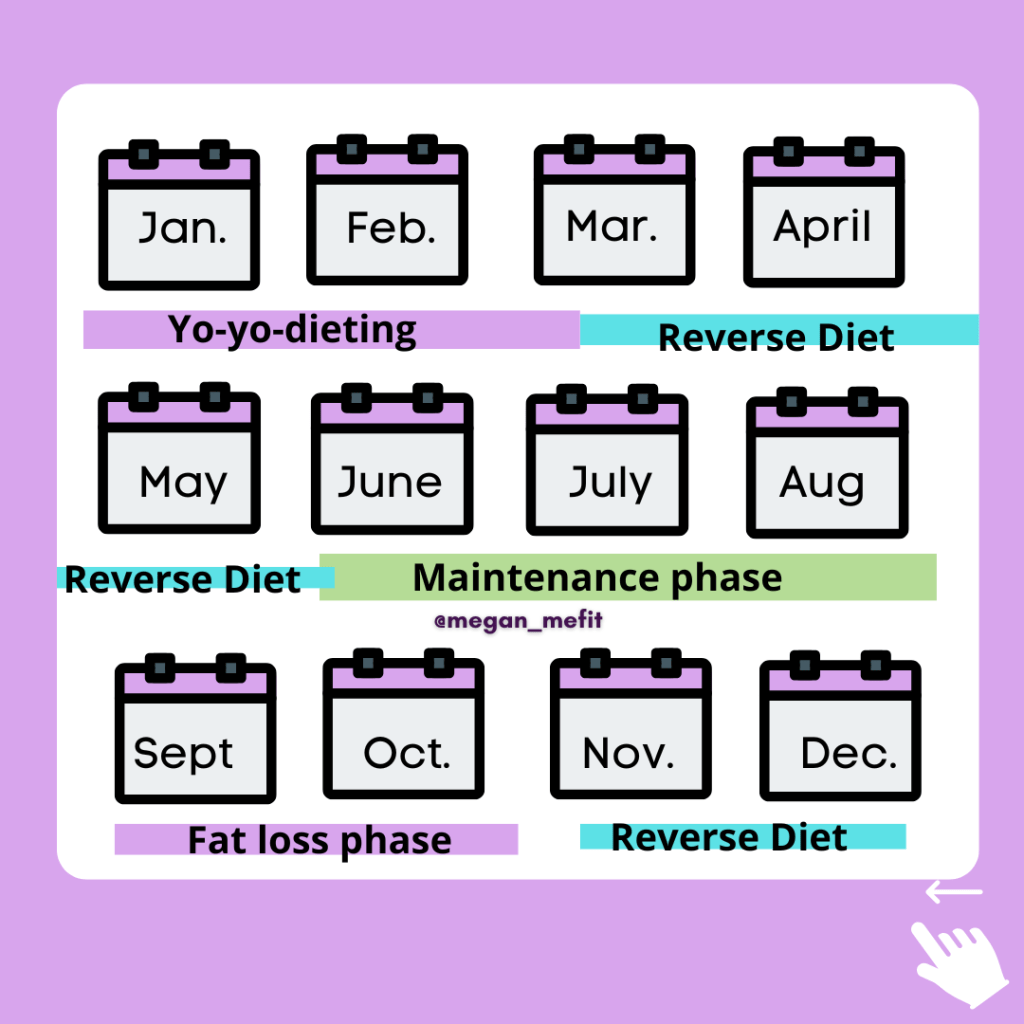
We are now talking strategy. Nutrition isn’t a one-size-fits-all, all-the-time thing. It’s seasonal, just like nature.

  • Maintenance Season: Focus on balance and consistency.
  • Fat Loss Season: Create a calorie deficit strategically and temporarily.
  • Reverse Dieting Season: Slowly increase calories post-diet to avoid rebound weight gain.

This approach, called nutritional periodization, prevents the long-term damage we’ve seen in extreme dieters (ahem, Biggest Loser contestants). Instead of burning out your metabolism, you give your body time to adapt and recover.

Nutritional Periodization: The Real Secret Sauce

Timelines for nutritional periodization will vary depending on the person, but the framework is a progressive process. It involves:

  • Gradually increasing calories to support your metabolism.
  • Shifting fitness priorities from cardio-heavy routines to strength-focused programming that builds muscle and improves body composition.
  • Reviving your mindset to understand that fat loss does not automatically mean a better body image or more happiness.

Now, let’s talk about maintenance—the often-overlooked MVP of this entire process.

The Maintenance Window: The Ultimate Flex

Most people gloss over maintenance because it’s not glamorous. There’s no scale-dropping dopamine hit or big “reveal.” But here’s the truth: maintenance is where the magic happens.

  • It’s where you rebuild your metabolism, so when you eventually do enter a fat loss phase, your body responds the way you want.
  • It’s where you master the “basics” (which, by the way, aren’t easy): meal prep, consistent workouts, and stress management.
  • It’s where you cultivate a relationship with food that isn’t all-or-nothing.

Let me share a story to illustrate this:

The Client Who Wanted It Harder

A client came to me desperate to lose weight. She was frustrated with her stomach area and hated the way her clothes fit. I got it. Her pain was real. Her goals were valid. But as we talked, it became clear there was a bigger picture:

  • She had a shoulder injury that limited her workouts.
  • She struggled with GERD, a digestive issue worsened by stress.
  • She was so busy managing her job that she’d forget to eat or rely on takeout for meals.

She was eating roughly 1,400–1,700 calories a day—barely enough for a toddler, let alone a busy adult who wanted to lose weight. Most fat loss programs will have the client start by cutting 15–20% of their total daily intake– from that would’ve been impossible to sustain and would’ve made her health even worse.

I explained this to her. We needed to focus on foundational habits first:

  • Improving digestion by reducing stress and eating whole, nutrient-dense meals.
  • Packing her own lunches instead of relying on fast food.
  • Building strength in the gym without aggravating her shoulder.

About six weeks in, she hit me with this: “This needs to be harder. If it were harder, I’d be doing it.”

I was floored. She was so used to crash diets and extreme programs that not suffering felt wrong to her. I realized we weren’t aligned in values. I told her:

“There are plenty of coaches who will take your money and throw you into a calorie deficit, but that’s not how I practice. I’m about health first, and I won’t compromise on that.”


Why Maintenance Matters

This is exactly why earning the right to diet is critical. If you can’t master the basics in maintenance—like fueling your body properly, managing stress, and being consistent—then making it harder by cutting calories and ramping up exercise will only set you up for failure.

Maintenance is a big deal because it prepares your body and mind for success when the time comes for a fat-loss phase. It’s not just about burning calories; it’s about building a life you can sustain.

If you’re thinking, “This sounds too slow,” remember:

  1. Your body adapts to chronic dieting as a survival mechanism.
  2. Maintenance isn’t a punishment—it’s freedom.
  3. When done right, fat loss becomes easier, healthier, and more effective later.

IN CLOSING! Health First, Always

To wrap this up, I want you to remember one thing: fat loss can be a goal, but it should never come at the expense of your health. By focusing on metabolism, hormones, and habits first, you’re setting yourself up for sustainable success.

A HOLISTIC REBOOT STRATEGY

  1. Reverse Diet Smartly: If you’ve been in a calorie deficit for too long, increase calories by 50-100 per week, focusing on whole, nutrient-dense foods.
  2. Lower Exercise Volume Temporarily: Shift to resistance training 3-4x per week, and sprinkle in restorative activities like walking or Pilates.
  3. Micronutrient Check: Get a blood test to address any vitamin or mineral deficiencies—common culprits are iron, B12, and vitamin D.
  4. Track Baseline Metrics: Keep an eye on resting heart rate, body temperature (shouldn’t be too low), and energy levels to monitor progress. What is biofeedback and why is it so important?
  5. Patience: You didn’t get here overnight, and reversing these adaptations will take time. Celebrate small wins along the way!

The key is sustainability. Think of this as a long-term investment in metabolic health, not a quick fix.

If you enjoyed this episode, share it with someone who’s caught in the cycle of dieting frustration. Let’s help them break free and find a better way forward.

Understanding Metabolic Health: The Role of Temperature and Pulse

How to Use Temperature and Pulse for Metabolic Health Insights

In the summer of 2020, my health began to take a dive. Years of chronic dieting, over-exercising, negative self-talk, and hormonal birth control were taking their toll. I was eating next to no carbs, minimal sugar, low fat, no dairy, and only lean protein. I was working out six days a week, doing hours of cardio, and feeling terrible physically, mentally, and emotionally. Hypothyroid and adrenal symptoms began to emerge. It was clear my lifestyle was working against my physiology. My metabolism felt ‘broken’ or ‘slow,’ but in reality, I was undernourished and overstressed.

Initially, I started tracking basal temperature but did not include resting pulse rates. At the time, my average temperatures were 96.5°F, and my pulse was 44 bpm. Discovering the “pro-metabolic” community introduced me to the research of Dr. Ray Peat and Dr. Broda Barnes, and it changed my perspective.

According to Dr. Raymond Peat, a well-nourished, healthy human should have a resting pulse of 85+ beats per minute. A high resting pulse (in the absence of stress) indicates good metabolic health and a strong ability to repair. This counters mainstream advice, which often celebrates a low resting heart rate as a marker of fitness.

Why Temps and Pulses Matter

Your thyroid acts as your body’s thermostat, controlling metabolism. Metabolism is the sum of all biochemical reactions in the body—essentially, the rate of energy production in the cells and the speed of bodily processes. Body temperature reflects metabolic activity, and people with underperforming thyroids often have low basal body temperatures.

Tracking basal body temperature and resting pulse provides insights into your thyroid and metabolic function:

  • Basal body temperature can indicate if ovulation has occurred, reflecting progesterone production (a pro-thyroid hormone).
  • Resting pulse shows how well your body is utilizing nutrients and oxygen.
  • Tracking post-meal temperatures and pulses helps identify stress responses and metabolic efficiency.

How to Track Temps and Pulses

To get accurate and actionable insights, follow these steps: Log your readings daily to identify trends over time. Note factors like stress, sleep, meals, and menstrual cycle phases that might influence your results.

  • Choose the Right Thermometer
    • Use a digital thermometer with a quick response time and high accuracy.
    • Glass basal thermometers are also effective but require more time to measure.
  • Measuring Basal Temperature
    • Take your temperature first thing in the morning, immediately after waking, and before getting out of bed.
    • Place the thermometer under your tongue for the most reliable reading. Avoid using armpit readings as they can be less accurate due to environmental factors.
  • Measuring Resting Pulse
    • Use a wearable device, like a fitness tracker, to measure your resting pulse overnight or immediately upon waking.
    • Alternatively, place your index and middle fingers on your wrist or neck to manually count beats for 60 seconds.
  • After Meals
    • Check your temperature and pulse 30-40 minutes after breakfast. These should gently rise after eating, as food lowers stress and generates heat. If they drop, it may indicate elevated stress hormones upon waking.
  • Track Afternoon Readings
    • Record your temperature and pulse between 1-3 p.m. when your body’s temperature should naturally peak.
  • Use a Tracking App or Journal

Questioning the Mainstream Narrative

The Mayo Clinic states: “Generally, a lower heart rate at rest implies more efficient heart function and better cardiovascular fitness. For example, a well-trained athlete might have a normal resting heart rate closer to 40 beats per minute.”

But is a low resting heart rate truly beneficial? Evidence suggests otherwise. Thyroid health—the thermostat of the body—plays a crucial role in metabolism. A sluggish thyroid often correlates with lower body temperatures and slower heart rates, indicators of reduced metabolic function.

Why Temperature and Pulse Matter

Metabolism refers to the sum of all biochemical reactions in the body. It’s essentially the rate of energy production at the cellular level—the speed at which your body processes and utilizes energy. Your body temperature is a reflection of this activity. People with under-functioning thyroids tend to exhibit low basal body temperatures and slower pulses, which can indicate:

  • Low thyroid function
  • Inflammation
  • Suppressed immune function
  • High stress
  • Estrogen dominance

In contrast, a warm body is linked to better immune function, efficient digestion, reduced inflammation, and overall metabolic health.

How to Track Temperature and Pulse

Tracking these metrics throughout the day provides invaluable insights into your metabolic health:

  • Upon Waking:
    • Follicular Phase: 97.2-97.8°F
    • Luteal Phase: 98.6°F
    • Resting pulse: 75-90 bpm
  • After Breakfast:
    • Temperatures and pulse should gently rise after meals. Food lowers stress and generates heat. If your numbers drop, it may indicate falsely elevated waking temps due to stress hormones like cortisol.
  • Afternoon:
    • Temperatures should peak between 1-3 PM.

What Your Numbers Reveal

  • Higher temp and pulse (in the absence of stress): Optimal metabolic function
  • Normal temp and higher pulse: Active stress response
  • Lower temp and lower pulse: Chronic stress and metabolic suppression
  • Normal temp and lower pulse: Chronic stress or low thyroid function

How to Optimize Your Numbers

If your temperature and pulse rates aren’t within optimal ranges, consider the following steps:

  1. Prioritize bioavailable protein: Aim for at least 100 grams per day.
  2. Eat enough calories: 1,800-2,000+ per day, depending on individual needs.
  3. Include digestible carbs: At least 150 grams daily (e.g., honey, maple syrup, fruit, root vegetables).
  4. Pair carbs with protein: Avoid “naked carbs” to stabilize blood sugar.
  5. Focus on anabolic exercise: Build muscle with strength training to boost metabolism.

Why This Matters

Using temperature and pulse as tools, you can:

  • Monitor how well your body utilizes energy.
  • Evaluate recovery from exercise.
  • Gain insights into hormonal balance (e.g., progesterone production and ovulation).
  • Identify the impacts of stress on your physiology.

Final Thoughts

Key Takeaways By regularly monitoring your temps and pulses, you can uncover patterns and make adjustments to optimize your thyroid and metabolic health. These small, daily practices provide powerful insights into how your body is functioning and what it needs to thrive.

Healing is never a final destination; it’s an ongoing journey. Over time, I’ve seen significant improvements in my metabolic markers. My overall body temperature has risen to 97.6–98.1°F, and my resting pulse is now around 70 bpm—much better than where I started. This progress has required me to embrace a larger body size than what traditional “fit fam” culture promotes, but it has been worth it. Prioritizing healing and hormone rebalancing has provided my body with the sense of safety and stability it needed to thrive.

To read more about the doctor that pioneered these tests grab the book called Hypothyroidism: The unsuspected illness by Dr. Broda Barnes

✌🏼Looking for more support navigating your cycle with fitness & nutrition? Check out my FREE guide & pro-metabolic strength training guide available for purchase!

LINK to apply for 1:1 coaching ❤️

Sources 👇🏻

PMID: 28740582
PMID: 26792255
Dr. Ray Peat

Ditch the Quick Fix: Building Habits That Actually Stick

Reframing the New Year: Rejecting Quick Fixes for Sustainable Growth

Welcome to Season 3 of Taste of Truth Tuesdays! 🎉 We’re kicking off with a bang, diving deep into a topic near and dear to my heart. After two decades in the fitness industry, I’ve got some game-changing insights, tips, and no-nonsense truths to share. You won’t want to miss a single minute of today’s episode💪✨

The New Year is here, and you’ve probably seen the tidal wave of ads pushing detoxes, cleanses, and resets. Let me stop you right there: NO, you do NOT need a detox, cleanse, or reset after the holidays.

When I say, “quick fix,” what comes to mind? Maybe it’s a detox tea promising to cleanse your system, a miracle shake that claims to replace your meals, or even the latest pharmaceutical weight-loss drug like Ozempic, used off label and hailed as the “solution” to stubborn fat. Quick fixes thrive on our desperation for immediate results. They’re marketed as shortcuts—whispering, “This will solve all your problems,” no patience or hard work required. 🫣

But here’s the hard truth: quick fixes rarely fix anything. Whether it’s a detox, a cleanse, or a medication designed to suppress your appetite, they often bypass the root causes of your concerns. They don’t teach you how to nourish your body or rebuild a healthy relationship with food. Instead, they slap a band-aid on symptoms while creating long-term consequences for your metabolism, hormones, and mental well-being.

Take Ozempic, for example. While it’s been touted as a “miracle” weight-loss drug, there are some serious health warnings that aren’t always front and center. As with significant weight loss in general, some people using these drugs experience muscle loss and lower bone density, increasing the risk of injury—especially for older adults.

In animal studies, semaglutide (the drug behind Ozempic) has been linked to an increased risk of thyroid cancer, including medullary thyroid carcinoma. While we don’t yet know if this risk translates to humans, it’s something to be aware of—especially if you have a family history of thyroid conditions. And let’s not forget the FDA’s 2023 warning about potential intestinal blockage associated with these medications, although the evidence so far shows it’s more about slowed gastric emptying and vomiting mimicking an obstruction.

And here’s the kicker—while these quick fixes promise to reshape your body in a short period, they often come with a slew of side effects that are rarely discussed. The key to managing those risks? Pay attention to your diet, listen to your body, and stay hydrated. But I can’t help but wonder: is the price tag on this “quick fix” really worth it?

In my own journey, I repeatedly fell for these promises—from replacing real food with Smart Start cereal, to taking ephedra and green tea energy pills in high school, and in my 30s, chasing the next shake, cleanse, or some ridiculous holistic protocol that promised to transform my body overnight. Spoiler alert: it never worked the way I hoped, and sometimes, it made things worse.

Today, we’re pulling back the curtain on quick fixes, diving into why they’re so appealing, and exposing the truth about detoxes, cleanses, and even medications like Ozempic. Because your health deserves more than a shortcut—it deserves a sustainable, thoughtful approach rooted in a long-term sense of well-being.

Let’s start by breaking down the dangers of these so-called “solutions” and why they often cause more harm than good.

🚨 The Dangers of Detoxes and Cleanses

Let me start by sharing a bit about my personal experience with Isagenix, an MLM I was involved in for four years. Their program revolved around “shake days” and “cleanse days.” Shake days required replacing two meals with shakes, leaving you with just 1,200-1,500 calories a day. Cleanse days were even more extreme: 24-48 hours of intermittent fasting where you consumed only “approved” snacks—essentially glorified candies from their product line.

These cleanse days were touted as the secret to triggering autophagy, “cleaning up your cells,” and building muscle while shedding fat. But for me, the reality couldn’t have been further from the sales pitch. Instead of gaining energy, building muscle, or feeling cleansed, I experienced fatigue, hormonal disruptions, and a worsening relationship with food.

I want to clarify here: if you’re under the care of a well-educated, integrative professional who has run labs and prescribed a short-term liver cleanse or restrictive protocol tailored to your needs, this isn’t directed at you. I’m talking to the folks who, like me, were misled by the marketing tactics of supplement companies, MLMs, and Pinterest ads. These programs prey on our insecurities while delivering none of the promised benefits.

Here’s why these quick-fix detoxes and cleanses are more harmful than helpful:


They Deplete Your Energy Over Time

On those “cleanse days,” I often felt like I was running on fumes. Severely restricting food intake forces your body to pull from its energy reserves, leaving you fatigued, irritable, and unable to function optimally.
Over time, this restriction triggers metabolic adaptation, slowing down your metabolism to conserve energy. Instead of speeding up fat loss, it makes your body cling to every calorie it gets, making future weight management even harder.

They Disrupt Hormonal Health

My cleanse days wreaked havoc on my hormones. The lack of consistent nourishment interferes with thyroid hormone conversion and overactivated the adrenal glands, increasing cortisol production. Chronic high cortisol levels undermine immunity, energy, and mood.
For women, the risks are even greater. Prolonged restriction sends your body into survival mode, disrupting your reproductive hormones. I dealt with irregular periods, cold extremities, and even hair thinning—all signs that my body was prioritizing survival over reproduction.

They Create Nutritional Deficiencies

When you cut out food, you cut out nutrients. The shakes and supplements from Isagenix were marketed as “nutritionally complete,” but they couldn’t compare to the diversity and richness of whole foods. This reliance on synthetic supplements is not a sustainable way to meet your nutritional needs.

They Damage Your Relationship with Food

One of the most insidious effects of these programs was how they warped my relationship with food. By constantly restricting and “cleansing,” I lost touch with hunger cues and began seeing food as the enemy. At one point, my appetite diminished, which might sound like a win in hustle culture, but it was actually a red flag. Our bodies need food to fuel productivity, creativity, and overall well-being. Sacrificing health in the name of hustle isn’t the flex diet culture makes it out to be.


The Bottom Line

Programs like the one I was involved in sell you the illusion of health while delivering energy depletion, hormonal imbalance, and long-term damage to your metabolism. Sustainable growth comes from nourishing your body, listening to its needs, and rejecting the false promises of quick fixes.

If you’re considering a cleanse or detox, ask yourself: is this supporting my long-term health, or am I falling for a marketing gimmick? 

💡 What Your Body Actually Needs

Your body thrives on consistency, nourishment, and balance. That’s why the 365 Easy Challenge focuses on six foundational habits to create sustainable growth:

  • Gratitude – Build a positive mindset by reflecting daily on what you’re thankful for.
  • Digestion – Support your gut with mindful eating practices and nourishing foods.
  • Sleep – Prioritize restorative rest to boost energy and metabolism.
  • Mindset/Self Talk – By reframing, shift your mindset to approach challenges with resilience.
  • Stress Management & Nutrition – Balance your life and plate without extremes.

These habits aren’t about perfection—they’re about progress. You can join in any time and make this year about sustainable, steady growth. One phrase I often say often to clients:

“Slow is steady and steady is fast.”

Seven Things I Wish I Knew Sooner

In this episode, we’re tackling the first four lessons I wish I’d learned earlier in my nutrition and fitness journey. These are insights that can save you time, frustration, and even your health.

1. Extreme Diets Have Extreme Consequences

If you’ve ever thought, “I just need to cut calories harder,” let me stop you right there. Extreme diets may promise quick results, but they come with a hefty price tag on your body.

Research, such as the Biggest Loser Study (PMID: 27136388), reveals a major roadblock: metabolic adaptation. Your body isn’t wired for vanity; it’s wired for survival. When you restrict calories excessively, your body compensates to preserve energy—this can continue for years after the diet ends (PMID: 35729736).

Here’s what that looks like:

  • Calorie restriction becomes less effective over time.
  • Your metabolic rate slows down, making it harder to maintain or continue fat loss.
  • You feel frustrated, but it’s your body hitting the brakes, not your willpower failing.

Takeaway: Your body isn’t out to sabotage you; it’s protecting you. The solution? Nutritional periodization. Incorporate diet breaks, maintenance phases, and even reverse dieting to minimize these adaptations.

2. Restrictive Diets Wreck Hormonal Health

Chronic or yo-yo dieting isn’t just stressful for your mind—it’s a major stressor for your body. Prolonged restrictions can negatively impact your:

  • Adrenal system: Chronic stress triggers the HPA axis, increasing cortisol. While cortisol is essential in moderation, consistently high levels can negatively impact energy, mood, and immunity.
  • Thyroid: High stress interferes with TSH production and the conversion of thyroid hormones, which are vital for metabolism.
  • Reproductive hormones: Missing or irregular periods, hair loss, and constant coldness? These are signs your body isn’t feeling “safe” enough to prioritize reproduction.

Minimum body fat is necessary to maintain reproductive health, especially for women. Hormones like progesterone, critical for ovulation and metabolism, rely on nutrient availability and a sense of safety

Takeaway: Your body isn’t the enemy—it’s doing its best with the fuel and signals you’re giving it. Support your hormones by eating enough, maintaining balance, and avoiding extreme restrictions. PMID: 2282736

3. Exercise + Intermittent Fasting = Double Trouble for Women

Adding intense exercise to intermittent fasting might sound like a fast track to results, but for women, it’s a recipe for dysfunction. Here’s why:

Women’s bodies are highly sensitive to kisspeptin, a neuropeptide critical for reproductive and endocrine health. Diets like keto and intermittent fasting can disrupt kisspeptin production, leading to:

  • Endocrine dysfunction.
  • Menstrual irregularities.
  • Depression and increased abdominal fat (yes, the opposite of what you wanted).

Half of all active women aren’t eating enough to support basic functions, let alone training. The long-term impact? Impaired thyroid function, stalled muscle growth, and metabolic imbalance.

Takeaway: Women need nourishment, especially when training hard. Fasting and exercise together often do more harm than good, leaving your body stressed instead of thriving.

PMID: 29860237
PMCID: PMC4818825
https://doi.org/10.1038/s41574-020-0363-7
Dr. Stacy Sims

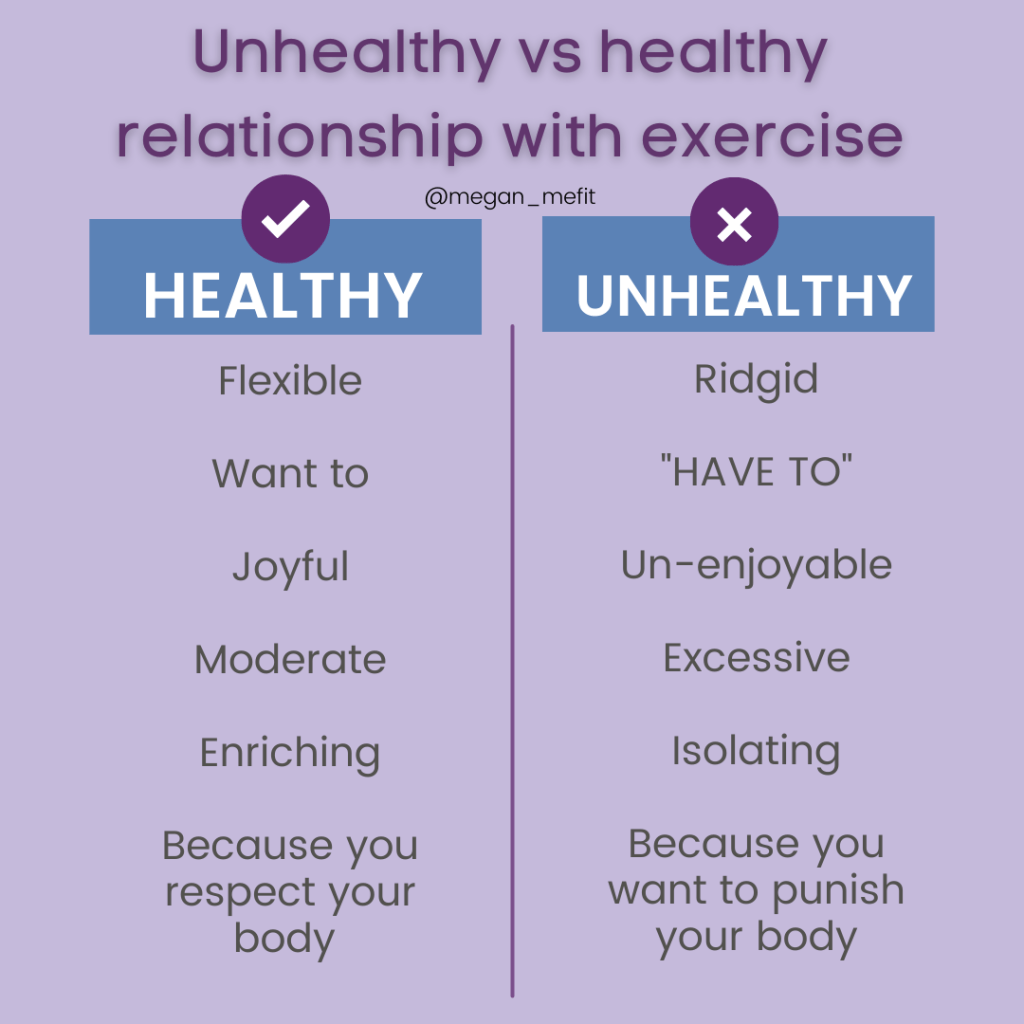
4. A Healthy Relationship with Exercise is Flexible and Fulfilling

Exercise is amazing for your body and mind, but even a good thing can become harmful when taken to extremes.

Exercise addiction is a compulsive engagement in physical activity, despite negative consequences. It often comes with:

  • Excessive rules and rigidity.
  • Feelings of shame before, during, or after workouts.
  • Withdrawal symptoms when unable to exercise.

In contrast, a healthy relationship with exercise is:

  • Flexible: It allows for variety in movement types and durations.
  • Fulfilling: It’s rooted in joy and self-care, not punishment or guilt.

Takeaway: The best kind of movement is the one that enriches your life, not rules it. Exercise should add value to your day, not take away from it.

✨ Let’s Leave Hustle Culture in 2024👋

Hustle culture says, “Eat less, work more, and sacrifice rest to succeed.” This mindset isn’t empowering—it’s exhausting. This year, let’s prioritize health over hustle and choose habits that energize rather than deplete.

The 365 Easy Challenge is here to help you make that shift. Whether it’s gratitude, better sleep, or balanced nutrition, these small steps add up to big changes over time.

Takeaway for 2025: This year, skip the detox and focus on what truly works: habits that honor your body’s needs, not a quick-fix fantasy. If you’re ready to embrace sustainable growth, join the 365 Easy Challenge and start building a foundation for lifelong health.

It’s never too late to jump in—let’s grow together!

Embracing the Season: Winter Solstice, Holidays, and New Year Goals

Welcome back to Taste of Truth Tuesdays! With the winter solstice just days away, we’re officially in the home stretch of 2024. The shortest day of the year reminds us to embrace the darkness while we prepare for the return of the light. It’s a reflective time—perfect for thinking about the holidays, setting intentions, and crafting meaningful goals for the new year. Today, we’re unpacking all of this, diving into the science of motivation, and introducing the 365 Easy Challenge. If you’re ready to create lasting habits that stick, you’re in the right place. Stick around until the end for December journal prompts designed to help you close out the year with clarity. Let’s get started!

The Truth About Motivation

Let’s start by busting a common myth: motivation is NOT the secret sauce to achieving your goals. It’s more like an internal campfire. You have to keep stoking it, or it fizzles out. Motivation, whether intrinsic or extrinsic, is unreliable. Intrinsic motivation comes from within — like your desire to be healthy or curious. Extrinsic motivation, like fitness challenges or rewards, comes from external sources.

So, what’s the science behind this? Motivation is tied to our brain’s reward system. Dopamine plays a critical role—it’s the “feel-good” chemical released when we anticipate a reward. But here’s the catch: dopamine isn’t just about pleasure; it’s about seeking. This is why motivation can be fleeting—once the novelty of the reward wears off, so does the drive. This is where habits and routines come in. They remove the need to rely on motivation alone, anchoring actions in consistency instead of fleeting feelings.

Awareness is the foundation of meaningful change. You can’t fix what you don’t know is broken. That’s why our 365 Easy Challenge emphasizes building habits that last, not just riding the highs of short-term motivation.

Why Traditional Challenges Fall Short

Have you ever tried extreme diets like Whole 30 or intense challenges like 75 Hard? While these can inspire short bursts of action, they often fail to teach sustainable skills. The problem isn’t laziness or lack of discipline; it’s unrealistic goals and focusing on what others are doing instead of tailoring solutions to your needs.

Science supports this too: extreme approaches often activate the brain’s stress response, making it harder to sustain willpower. Cortisol, the stress hormone, can hijack your decision-making, leading to burnout or impulsive choices. Instead, we need to focus on actions that align with our values and fit seamlessly into our lives.

This year, we’re flipping the script. The 365 Easy Challenge is all about mastering the basics — simple, sustainable actions that create consistency. Remember, consistency builds routines, and routines drive results.

Introducing the 365 Easy Challenge

Here’s the breakdown: The challenge focuses on six foundational habits:

  • Brain Reframe 🧠
    Your body doesn’t need a “reset” — your brain does! Shift the focus to what you’re adding, not subtracting. More protein, more fruits & veggies, more movement. It’s all about progress, not perfection. Spend five minutes daily countering negative self-talk with rational, supportive statements. This rewires neural pathways and strengthens your brain’s ability to shift perspectives, helping you stay aligned with your goals.
  • Stress Management (and Your Mindset Around Stress) 😤
    Stress is the silent killer of self-control and health. Managing stress isn’t just about chill vibes; it’s about understanding your stress and handling it like the boss you are. Take intentional movement breaks, practice deep breathing, and reframe stress as a challenge, not a threat. Movement enhances endorphin release, while reframing stress alters its impact on your body, helping you maintain mental clarity and avoid burnout.
  • Sleep Consistently 😴
    The most underrated (yet most important) aspect of health? SLEEP. If you’re aiming for aesthetic goals, consistent sleep should be at the top of your priority list. Prioritize a bedtime routine with blue-light blocking, magnesium supplements, and a consistent schedule. Sleep affects everything from metabolism to emotional regulation. Even just one hour less sleep per night can impair cognitive function and decision-making, so get those 7-9 hours for optimal performance.
  • Digestive Health 🥦
    Your body doesn’t thrive off what you eat, but off what you can digest and absorb. Let’s get those healthy poops on track and optimize your digestion for real transformation. Eat a protein-rich breakfast within 60 minutes of waking, and practice mindful eating by chewing thoroughly. Did you know that proper chewing activates enzymes in your saliva that kickstart digestion, setting the stage for better nutrient absorption and smoother digestion throughout the day?
  • Adequate Nutrition 🍏
    Under-eating doesn’t get you anywhere good. Let’s focus on fueling your metabolism, building muscle, and living your life — so when the time comes for fat loss, it’s smoother and healthier than ever. The amount of food you need to eat per day may surprise you! Your TDEE (Total Daily Energy Expenditure) includes the energy required to support basic bodily functions (known as basal metabolic rate or BMR) and your daily physical activities. This can range from 1800-2400 calories for most individuals, so fueling your body adequately is key to long-term success.
  • Gratitude Practice 🙏
    Meditation, prayer, and focusing on gratitude are more than just buzzwords. Science shows they can actually help you stay on track with your diet and exercise goals. Start your day by writing down three things you’re grateful for. Research shows that gratitude practices enhance mental health and even improve physical health by reducing inflammation and improving sleep quality, creating a positive feedback loop that supports overall wellness.

When clients approach me desiring fat loss, we often need to shift our focus first to achieving optimal psychological and physiological baselines. Many struggle with yo-yo dieting, binge eating, a poor relationship with food, negative body image, and sporadic workout consistency. That’s why periodized nutrition—or planning strategies like reverse dieting to support metabolism—is so important. Nutrition isn’t just about cutting calories; it’s about fueling your body to thrive.

Every week, you’ll add one action from each habit category. By week five, you’ll have integrated all six habits into your routine. And it’s okay if life happens and you miss a day — progress over perfection is the goal here.

Building Sustainable Habits

Why does this approach work? Because it’s rooted in simplicity and adaptability. You’re not overhauling your life overnight or setting yourself up for burnout. Instead, you’re focusing on actions that are easy to maintain and build upon.

For example, let’s talk digestion. Did you know your body isn’t what you eat but what you can digest and absorb? Simple changes like chewing your food more thoroughly or incorporating a 10-minute walk after meals can make a huge difference in your health.

And when it comes to sleep, the science is clear: adults need 7-9 hours of quality sleep for optimal function. Creating a bedtime ritual can condition your brain to wind down, making it easier to fall asleep and stay asleep.

December Journal Prompts

As promised, here are your December journal prompts to close out the year with reflection:

  1. What was the most significant moment of your year, and why?
  2. List three accomplishments you’re most proud of this year.
  3. How have you grown as a person over the past year?
  4. Write about a goal you didn’t achieve—what held you back, and what did you learn?
  5. This year taught me…”

Take 10 minutes to reflect on these, and you’ll start the new year with a clear mind and a motivated heart.


As you embrace the new year, remember that lasting change comes from building habits, not from a fleeting burst of motivation. By grounding yourself in gratitude, reflection, and simple daily actions, you can create a year that feels easy—and meaningful.

Check out the full 365 Easy Challenge guide for detailed steps to start your journey today.

Let’s make 2025 a year of progress and joy!

Master Your Digestion This Holiday Season

Posting on a Wednesday? Guess my calendar’s been indulging in holiday cookies too.

Yep, we’re shaking things up this week! Whether you’re catching up on leftovers or prepping for your next holiday feast, now’s the perfect time to talk about digestion. After all, it’s the unsung hero of health—working overtime while we’re busy piling on the mashed potatoes

This post also kicks off a sneak peek into January’s 365 Easy Challenge, where we’ll focus on mastering six foundational habits to make 2025 your healthiest year yet. So, grab a cozy beverage, and let’s dig into how to keep your gut happy (and your pants buttoned) this holiday season.


Why Digestion Deserves the Spotlight

Let’s be real: you can load up on the healthiest foods, but if your digestion isn’t working properly, your body can’t absorb all those nutrients. Instead of diving into advanced gut protocols, let’s focus on digestive basics—those everyday habits that can transform how you feel after a meal.

From holiday feasts to office potlucks, the season is full of opportunities to test your digestive system. If you’ve ever felt bloated, gassy, or sluggish post-meal, you’re not alone. These are signs your gut might need a little TLC.


The Big Three Digestive Culprits

  1. Stress: Chronic stress throws your digestive system into chaos, slowing it down and causing discomfort.
  2. Rushed Eating: Gulping your meals doesn’t give your body time to process food properly.
  3. Poor Chewing: Chewing is where digestion starts, but many of us rush through it like it’s a race.

What to Do Instead:

  • Set the Scene: Before you eat, take a deep breath, relax, and engage your parasympathetic nervous system (aka your “rest and digest” mode).
  • Slow Down: Put your fork down between bites and chew each one 20–30 times. Yes, it feels slow at first, but it’s worth it!
  • Be Present: Step away from distractions like phones or TVs and focus on your food.

The Unsung Heroes of Digestion

1. Stomach Acid (HCL):
Stomach acid is crucial for breaking down protein and absorbing nutrients like zinc, iron, calcium, and B12. It also acts as your body’s first line of defense against harmful bacteria.

🙅‍♀️ Stop: Overusing antacids or skipping protein-rich meals.
✔️ Start: Eating a nutrient-dense diet, practicing mindful eating, and managing stress to naturally support stomach acid production.

2. Digestive Enzymes:
Digestive enzymes break down food so your body can absorb the nutrients. Without enough enzymes, you may experience bloating, constipation, or gas.

🙅‍♀️ Stop: Rushing meals and lying down immediately after eating.
✔️ Start: Chewing thoroughly, walking after meals, and addressing inflammation.

3. Bile Production:
Bile is essential for breaking down fats so your body can absorb them. If bile production is compromised, you might miss out on the benefits of healthy fats like omega-3s.

🙅‍♀️ Stop: Relying on low-fat diets or consuming unhealthy fats like vegetable oils.
✔️ Start: Eating healthy fats (avocado, olive oil, grass-fed butter) and supporting stomach acid levels.


A Healthy Gut Microbiome: Your Digestive Sidekick

Your gut bacteria play a vital role in digestion and overall health. To keep your microbiome balanced:

  • Eat a variety of fiber-rich foods like kale, spinach, swiss chard, cabbage, leeks, turnips, carrots, beets, and artichokes.
  • Avoid overloading your system with excessive fiber, which can cause bloating or discomfort.

Nuts, Seeds, Grains & Legumes: Prep Like a Pro

These foods are nutritional powerhouses, but they contain anti-nutrients like phytic acid and enzyme inhibitors that can block digestion and deplete minerals. Preparing them properly—by soaking or sprouting—neutralizes these compounds and makes nutrients more bioavailable.

How to Soak:

  • Cover your nuts, seeds, grains, or legumes with water and a splash of vinegar or salt.
  • Let them soak overnight, rinse thoroughly, and cook as usual.

Even with proper preparation, these foods can be hard to digest, so enjoy them in moderation.


Holiday Digestion Tips

Here’s how to support your gut through the festive season:

  1. Chew your food mindfully. No one’s handing out awards for fastest eater.
  2. Go for a walk after big meals. Gentle movement aids digestion and prevents sluggishness.
  3. Stay hydrated. Your digestive system needs water to function optimally.
  4. Be intentional with your intake of highly processed refined sugars. Excess amounts can disrupt your gut flora and leave you feeling sluggish and out of balance

Takeaways for a Happy Gut

Proper digestion = better nutrient absorption = thriving health.

Before trying advanced protocols, start with the basics:

  • Chew thoroughly.
  • Manage stress.
  • Prep your meals for optimal digestion.

And don’t forget, this is just the start. In January’s 365 Easy Challenge, we’ll dive deeper into digestion and other foundational habits like sleep, stress management, and nutrition.

Let’s make 2025 the year we simplify health and feel amazing doing it!