Fit for TV: How Screens, Diet Culture, and Reality Shows Rewire Our Bodies and Minds

When Willpower Isn’t Enough: Media, Metabolism, and the Myth of Transformation

You’re listening to Taste Test Thursdays–a space for the deep dives, the passion projects, and the stories that didn’t quite fit the main course. Today, we’re hitting pause on the intense spiritual and political conversations we usually have to focus on something just as powerful: how technology shapes our bodies, minds, and behaviors. We’ll be unpacking a recent Netflix documentary that highlights research and concepts we’ve explored before, shining a light on the subtle ways screens and media program us and why it matters more than ever.

I have a confession: I watched The Biggest Loser. Yep. Cringe, right? Back in 2008, when I was just starting to seriously focus on personal training (I got my first certification in 2006 but really leaned in around 2008), this show was everywhere. It was intense, dramatic, and promised transformation—a visual fairy tale of sweat, willpower, and discipline.
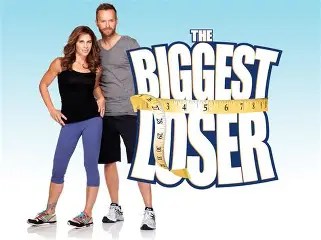
Looking back now, it’s so painfully cringe, but I wasn’t alone. Millions of people were glued to the screens, absorbing what the show told us about health, fat loss, and success. And the new Netflix documentary Fit for TV doesn’t hold back. It exposes the extreme, sometimes illegal methods used to push contestants: caffeine pills given by Jillian Michaels, emotional manipulation, extreme exercise protocols, and food as a weapon. Watching it now, I can see how this programming shaped not just contestants, but an entire generation of viewers—including me.


Screens Aren’t Just Entertainment

Laura Dodsworth nails it in Free Your Mind:

“Television is relaxing, but it also is a source of direct and indirect propaganda. It shapes your perception of reality. What’s more, you’re more likely to be ‘programmed’ by the programming when you are relaxed.”

This is key. Television isn’t just a casual distraction. It teaches, it socializes, and it normalizes behavior. A study by Lowery & DeFleur (Milestones in Mass Communication Research, 1988) called TV a “major source of observational learning.” Millions of people aren’t just entertained—they’re learning what’s normal, acceptable, and desirable.

Dodsworth also warns:

“Screens do not show the world; they obscure. The television screen erects visual screens in our mind and constructs a fake reality that obscures the truth.”

And that’s exactly what reality diet shows did. They created a distorted narrative: extreme restriction and punishment equals success. If you just try harder, work longer, and push further, your body will cooperate. Except, biology doesn’t work like that.


The Metabolic Reality

Let’s dig into the science. The Netflix documentary Fit for TV references the infamous Biggest Loser study, which tracked contestants years after the show ended. Here’s what happened:

  • Contestants followed extreme protocols: ~1,200 calories a day, 90–120 minutes of intense daily exercise (sometimes up to 5–8 hours), and “Franken-foods” like fat-free cheese or energy drinks.
  • They lost massive amounts of weight on TV. Dramatic, visible transformations. Ratings gold.
  • Six years later, researchers checked back: most regained ~70% of the weight. But the real kicker? Their resting metabolic rate (RMR) was still burning 700 fewer calories per day than baseline—500 calories less than expected based on regained body weight.
  • In everyday terms? Imagine you used to burn 2,000 calories a day just by living. After extreme dieting, your body was burning only 1,300–1,500 calories a day, even though you weighed almost the same. That’s like your body suddenly deciding it needs to hold on to every calorie, making it much harder to lose weight—or even maintain it—no matter how “good” you eat or how much you exercise.

This is huge. It shows extreme dieting doesn’t just fail long-term; it fundamentally rewires your metabolism.

Why?

  • Leptin crash: The hormone that tells your brain you’re full plummeted during the show. After weight regain, leptin rebounded, but RMR didn’t. Normally, these rise and fall together—but the link was broken.
  • Loss of lean mass: Contestants lost ~25 pounds of muscle. Regaining some of it didn’t restore metabolic function.
  • Hormonal havoc: Chronic calorie deficits and overtraining disrupted thyroid, reproductive, and adrenal hormones. Weight loss resistance, missed periods, hair loss, and constant cold are all part of the aftermath.

Put bluntly: your body is not passive. Extreme dieting triggers survival mode, conserving energy, increasing hunger, and slowing metabolism.

Read more:


Personal Lessons: Living It

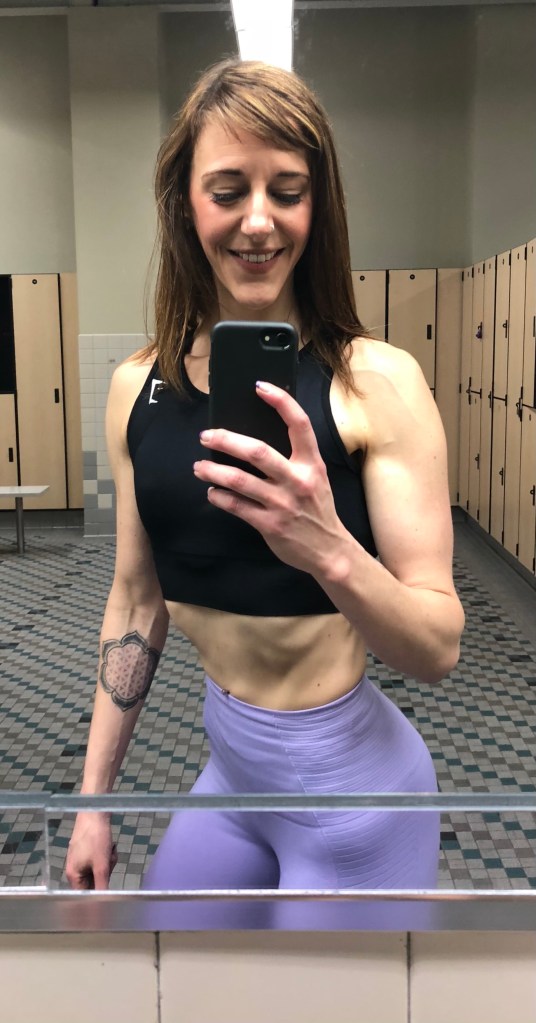
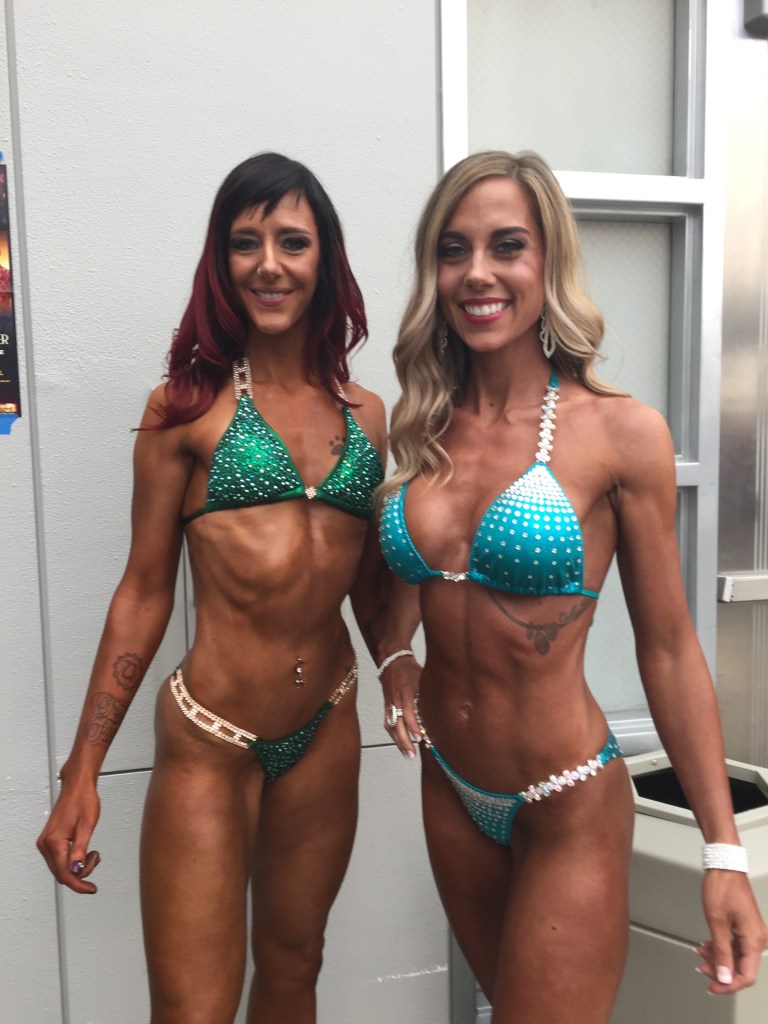
I know this from my own experience. Between May 2017 and October 2018, I competed in four bodybuilding competitions. I didn’t prioritize recovery or hormone balance, and I pushed my body way too hard. The metabolic consequences? Echoes of the Biggest Loser study:

  • Slowed metabolism after prep phases.
  • Hormonal swings that made maintaining progress harder.
  • Mental fatigue and burnout from extreme restriction and exercise.

Diet culture and TV had me convinced that suffering = transformation. But biology doesn’t care about your willpower. Extreme restriction is coercion, not empowerment.

Read more:


From Digital Screens to Unrealistic Bodies

This isn’t just a TV problem. The same mechanisms appear in social media fitness culture, or “fitspiration.” In a previous podcast and blog, From Diary Entries to Digital Screens: How Beauty Ideals and Sexualization Have Transformed Over Time, we discussed the dangerous myth: hard work guarantees results.

Fitness influencers, trainers, and the “no excuses” culture sell the illusion that discipline alone equals success. Consistency and proper nutrition matter—but genetics set the foundation. Ignoring this truth fuels:

  • Unrealistic expectations: People blame themselves when they don’t achieve Instagram-worthy physiques.
  • Overtraining & injury: Chasing impossible ideals leads to chronic injuries and burnout.
  • Disordered eating & supplement abuse: Extreme diets, excessive protein, or PEDs are often used to push past natural limits.

The industry keeps genetics under wraps because the truth doesn’t sell. Expensive programs, supplement stacks, and influencer promises rely on people believing they can “buy” someone else’s results. Many extreme physiques are genetically gifted and often enhanced, yet presented as sheer willpower. The result? A culture of self-blame and impossible standards.


Fitspiration and Self-Objectification

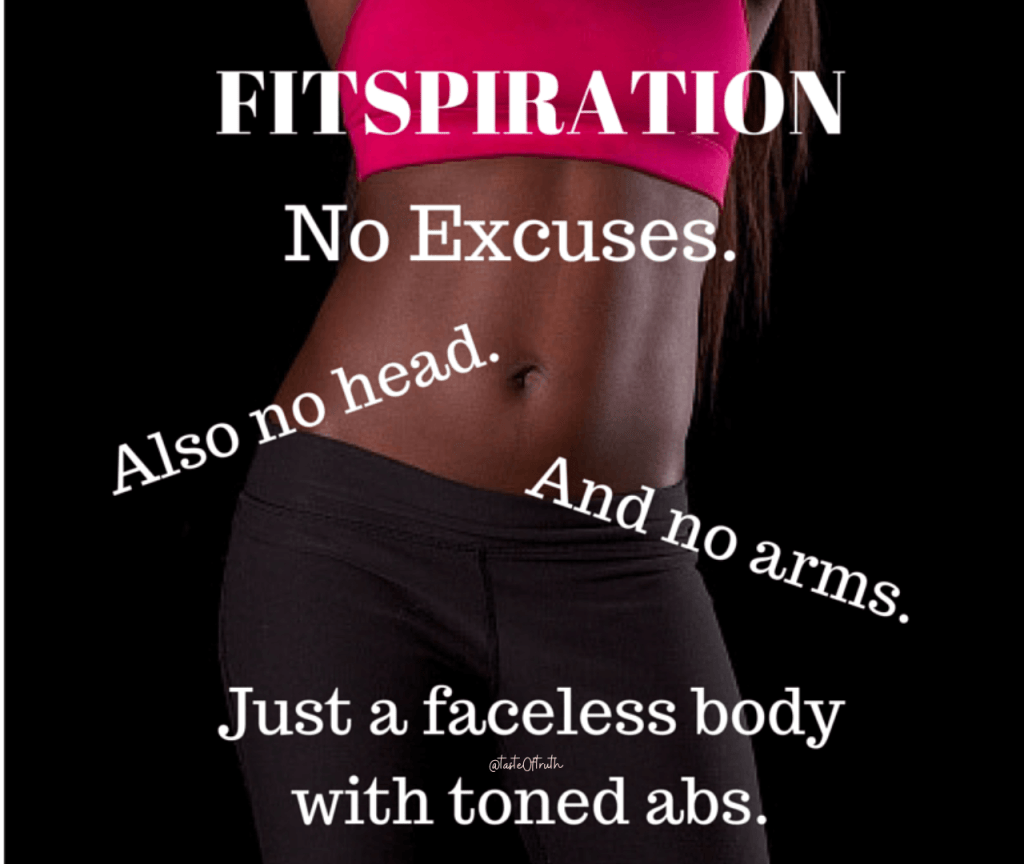
The 2023 study in Computers in Human Behavior found that exposure to fitspiration content increases body dissatisfaction, especially among women who already struggle with self-image. Fitspo encourages the internalized gaze that John Berger described in Ways of Seeing:

“A woman must continually watch herself. She is almost continually accompanied by her own image of herself… she comes to consider the surveyor and the surveyed within her as the two constituent yet always distinct elements of her identity as a woman.”

One part of a woman is constantly judging her body; the other exists as a reflection of an ideal. Fitness becomes performative, not functional. Anxiety, depression, disordered eating, and self-objectification follow. Fitness culture no longer focuses on strength or health—it’s about performing an idealized body for an audience.


The Dangerous Pipeline: Fitspo to Porn Culture

This extends further. Fitspiration primes women to see themselves as objects, which feeds directly into broader sexualization. Porn culture and the sex industry reinforce the same dynamic: self-worth tied to appearance, desire, and external validation. Consider these stats:

  • Over 134,000 porn site visits per minute globally.
  • 88% of porn scenes contain physical aggression, 49% verbal aggression, with women overwhelmingly targeted (Bridges et al., 2010).
  • Most youth are exposed to pornography between ages 11–13 (Wright et al., 2021).
  • 91.5% of men and 60.2% of women report watching porn monthly (Solano, Eaton, & O’Leary, 2020).

Fitspiration teaches the same objectification: value is appearance-dependent. Social media and reality TV prime us to obsess over performance and image, extending beyond fitness into sexualization and body commodification.

Read more:

Netflix Documentary: The Dark Side

Fit for TV exposes just how far the show went:

  • Contestants were given illegal caffeine pills to keep energy up.
  • Trainers manipulated emotions for drama—heightened stress, shame, and competitiveness.
  • Food was weaponized—rationed, withheld, or turned into rewards/punishments.
  • Exercise protocols weren’t just intense—they were unsafe, designed to produce dramatic visuals for the camera.

The documentary also makes it clear: these methods weren’t isolated incidents. They were systemic, part of a machine that broadcasts propaganda as entertainment.


The Bigger Picture: Propaganda, Screens, and Social Conditioning

Dodsworth again:

“Watching TV encourages normative behavior.”

Shows like The Biggest Loser don’t just affect contestants—they socialize an audience. Millions of viewers internalize: “Success = willpower + suffering + restriction.” Social media amplifies this further, nudging us constantly toward behaviors dictated by advertisers, algorithms, and curated narratives.

George Orwell imagined a world of compulsory screens in 1984. We aren’t there yet—but screens still shape behavior, expectations, and self-perception.

The good news? Unlike Orwell’s telescreens, we can turn off our TVs. We can watch critically. We can question the values being sold to us. Dodsworth reminds us:

“Fortunately for us, we can turn off our television and we should.”


Breaking Free

Here’s the takeaway for me—and for anyone navigating diet culture and fitness media:

  1. Watch critically: Ask, “What is this really teaching me?”
  2. Respect biology: Your body fights extreme restriction—it’s not lazy or weak.
  3. Pause before you absorb: Screens are powerful teachers, but you have the final say.

The bigger question isn’t just “What should I eat?” or “How should I train?” It’s:

Who’s controlling the story my mind is telling me, and who benefits from it?

Reality shows like The Biggest Loser and even social media feeds are not neutral. They are propaganda machines—wrapped in entertainment, designed to manipulate perception, reward suffering, and sell ideals that are biologically unsafe.

I’ve lived some of those lessons firsthand. The scars aren’t just physical—they’re mental, hormonal, and metabolic. But the first step to freedom is seeing the screen for what it really is, turning it off, and reclaiming control over your body, mind, and reality.

Thank you for taking the time to read/listen!

🙏 Please help this podcast reach a larger audience in hope to edify & encourage others! To do so: leave a 5⭐️ review and send it to a friend! Thank you for listening! I’d love to hear from you, find me on Instagram!⁠⁠⁠ @taste0ftruth⁠⁠⁠ , @megan_mefit , ⁠⁠⁠ Pinterest! ⁠⁠ ⁠ Substack and on X! 

Until then, maintain your curiosity, embrace skepticism, and keep tuning in! 🎙️🔒

🆕🆕This collection includes books that have deeply influenced my thinking, challenged my assumptions, and shaped my content. ⁠Book Recommendations – Taste0ftruth Tuesdays

Understanding Hormonal Changes in Midlife Women

The Truth About Hormones &Body Fat

If you’re a woman in midlife witnessing changes in your body, let’s be honest—hearing one more expert say “just move more and eat less” might make you scream. That tired, oversimplified advice ignores the very real ways our bodies change—and the decades of life we’ve already lived in them.

Midlife, generally defined as the ages between 37 and 65, isn’t just a calendar phase. It’s a biological, emotional, and identity-shifting chapter. For women, it often marks the beginning of perimenopause—the transitional period leading up to menopause, when the ovaries gradually produce less estrogen. Menopause itself is defined as the 12-month mark after your final menstrual period, but the hormonal fluctuations and symptoms often begin years before and can last well beyond that point.

To really understand what’s happening in our bodies now, we have to rewind the clock.

From puberty, our bodies have been shaped by an elegant hormonal dance. Estrogen, progesterone, and to a lesser extent testosterone, govern everything from our cycle to our skin, from our energy to our emotional responses. These hormones rise and fall in predictable patterns until they don’t. And when they don’t, you feel it.

Hot flashes. Sleep disruptions. Brain fog. Mood swings. Slower recovery from workouts. A scale that doesn’t seem to budge no matter what you do. And the silent undercurrents like the gradual loss of bone density—osteopenia—that often go unnoticed until it’s too late.

These aren’t random annoyances. They’re signals. And they deserve to be understood.

In this post and in today’s podcast episode, I talk with registered dietitian and research wizard Maryann Jacobsen about what actually helps us thrive during perimenopause and menopause. We get into why muscle is metabolic gold, why cardio isn’t always the answer, and how biofeedback your body’s own cues like hunger, energy, sleep, and mood can tell you more about what’s working than any calorie tracker or influencer’s reel ever could.

We also challenge the idea that your bathroom scale is the best measure of health. Spoiler alert: it’s not. Tools like DEXA scans provide deeper insight into your bone density and lean mass—two things that matter more than “weight” ever could in this stage of life. And while your smart scale using bioelectrical impedance might not be as accurate, it can still help you track general trends if you know how to interpret it.

One part of our conversation that hit me hard was Maryann’s mention of the body fat research around fertility. Scientists have found that a minimum of 17% body fat is required just to get a menstrual cycle, and about 22% is needed to maintain ovulation. But here’s the real shocker: in mature women, regular ovulatory cycles are often supported best at 26–28% body fat. (PMID: 3117838, 2282736) That means what many of us have been taught to chase ultra-lean physiques (around 17 BF% or so), chronic calorie restriction, or overtraining can actually backfire on our reproductive health, bone health, and overall vitality.

In populations where food is scarce or physical demands are high, we see patterns: delayed first periods, longer gaps between births, earlier menopause. It’s the body adapting for survival. But in modern life, we sometimes impose these same conditions on ourselves in the name of “fitness.”


And while estrogen usually gets the spotlight in menopause care often treated as the main character it’s progesterone that deserves a standing ovation. Many women are told they “need progesterone” just to protect themselves from estrogen’s effects, as if it’s merely a buffer. But that undersells its brilliance.

The name progesterone literally means “pro-gestation,” but its impact goes far beyond fertility. Progesterone is a master regulator. It stabilizes tissues, supports metabolic balance, calms inflammation, protects against stress, and even plays a role in brain health. While estrogen stimulates, progesterone shields. While estrogen builds, progesterone restores.

Fascinatingly, our bodies produce far more progesterone than estrogen especially after ovulation and during pregnancy. That’s not a fluke. It reflects just how critical progesterone is to our overall well-being.

So when ovulation slows or disappears in midlife, it’s not just your period going quiet. It’s this entire downstream network of hormonal resilience especially progesterone that starts to fade. And that’s when symptoms ramp up.

Understanding this isn’t just about managing menopause. It’s about honoring your biology, updating your strategy, and supporting your body like the powerful, responsive system it actually is.

If we want to balance and optimize our hormones in midlife, we have to re-evaluate our goals. This isn’t about grinding harder it’s about getting smarter. And to get smarter, we need to zoom out.

Ovulation isn’t just some fertility footnote-it’s the main event of your cycle. But many of us were taught that the bleed is the cycle. Nope. That’s just the after-party. The headliner? Ovulation.

Why does this matter in midlife?

Because ovulation is what triggers the production of progesterone a hormone that plays a critical role in metabolism, mood, sleep, brain function, and bone health. And spoiler: progesterone is the first to dip off the radar as we enter perimenopause. That’s why your energy feels off, your sleep gets weird, and your tolerance for stress tanks. Your body isn’t broken—it’s adapting.

Here’s where things click into place: your body will only ovulate consistently if it feels safe and nourished. That means you’re eating enough, not overtraining, and not living in a cortisol-fueled chaos spiral.

Ovulation isn’t just about reproduction it’s a vital sign of health.
And the two hormones that anchor your entire cycle, estrogen and progesterone, do so much more than regulate periods.

From bone density to brain function, from insulin sensitivity to mitochondrial health, these hormones influence nearly every system in your body. So, when they fluctuate…. or flatline… you feel it. Not just in your body, but in your entire day to day experience.

So, let’s break the rules, rewrite the midlife playbook, and finally start listening to the wisdom our bodies have been whispering all along.

LINKS:

In-depth-guide-on-midlife-weight

The Hidden Risks of Ozempic: Rapid Weight Loss Can Weaken Bones and Muscles

Farmer Vs Banker episode Move More, Eat Less? The Lie That Won’t Die

Resistance-exercise-perimenopause-symptoms

To take hormone therapy or not to take hormone therapy

The Case for Cardio

Contrary to popular belief, a larger body may actually be healthier (insta post)

Why Are Americans So Obsessed With Protein? Blame MAGA.

Midlife stress and its ripple effect on health

Meet your new post-40 nervous system

From Diary Entries to Digital Screens: How Beauty Ideals and Sexualization Have Transformed Over Time

Over the past year, we’ve explored a web of interconnected topics—religious extremism, theology, the role of social media in radicalization, and most recently, body image and the impact of fitspiration.

These discussions aren’t isolated; they all trace back to a common thread—how external influences shape our beliefs, behaviors, and sense of identity. Today, we’re diving deeper into that connection, looking at how beauty standards, social media, and the normalization of self-objectification are part of a larger cultural shift.

The Evolution of Body Image: From Calorie Counting to the Cult of Fitness

Our cultural obsession with body modification isn’t new—it’s just evolved.

In The Body Project, historian Joan Jacobs Brumberg explores the history of American girls and how today women have more freedom and choice than ever before, but many of us begin a pattern of negative self-image, beauty obsession and dieting as early as five or six. Brumberg states:

“All throughout history, adolescent self-consciousness is quite persistent, but it’s level is raised or lowered, like the water level in a pool, by the cultural and social setting.”

For instance, in the late 19th century, girls might have been particularly conscious of their hands and feet due to the fashion and modesty standards of the time, as well as the emphasis on delicate and proper presentation. Additionally, the ideal feminine silhouette of the time, with tightly laced corsets and voluminous skirts, might have made girls more conscious of their waists and overall body shape.

So, while in modern day times, we may cringe at the confinements of what the Victorian society and wearing the corset did to women, but I’d like to argue that in 2025 body angst is driven by much more sinister forces. Today, commercial interests utilize marketing strategies that result in enormous amounts of profit for the manufactures of cosmetic, surgery, hair products and of course diet foods.

The reality that American girls now center their lives around their bodies is neither coincidental nor trivial: it reflects historical shifts that are just now being comprehended.

15th November 1926: Film star, Mae Murray (1889 – 1965) making herself up in a mirror in the lid of her make-up box.

Brumberg examines how the modern fixation on weight began in the early 20th century. Historically, the surge of explicit “girl talk” about body and sexuality is a relatively recent American phenomenon. As the language surrounding sex and the body has evolved, so too have the body projects of different generations of American girls. By the 1920s, girls began writing about their efforts to develop sexual allure through clothing and cosmetics, and for the first time, they experimented with “slimming”—a new body project tied to the scientific discovery of the calorie. The dieters and sexual players of the 1920s were generally girls in middle to late adolescence, finishing high school or heading off to college and jobs in the business world—unlike today, where such concerns often affect younger children and teenagers.

By the 1970s and 1980s, body control became about more than just being thin; it evolved into sculpting the ideal physique. This shift gave rise to what we now recognize as the cult of fitness—a movement that reframed body control as discipline and self-mastery. The rise of bodybuilding, aerobics, and the emerging diet industry all played a role in selling the idea that, with enough effort, anyone could build their “dream body.”

The Role of Genetics in Muscle Growth: What Fitness Culture Gets Wrong

But science tells a different story. While training and nutrition matter, genetics play a massive role in muscle development, strength, and even fat distribution. A study published in Communications Biology (2020) found that an individual’s ability to build muscle and strength is 50-80% genetic (Pei et al., 2020).

This means that two people following the exact same training program and nutrition plan will not achieve the same results—because their genetic blueprint largely determines their potential for muscle growth, recovery speed, tendon strength, and even motivation to train.

Yet, fitness culture—including myself as a personal trainer for nearly 20 years—rarely acknowledges this, pushing the narrative that extreme discipline alone is the key to achieving a certain look. This myth is not only misleading but also damaging, leading many people to believe that if they just worked harder, ate “cleaner,” or followed the right influencer’s workout, they could look like a fitness model.

How Genetics Impact Strength and Muscle Development

  1. Muscle Fiber Composition: The Fast-Twitch vs. Slow-Twitch Factor
    • People with a higher percentage of fast-twitch muscle fibers (Type II) have a genetic advantage in strength and hypertrophy (muscle growth). These fibers respond better to resistance training and grow larger than slow-twitch (Type I) fibers, which are more endurance-focused.
    • Some individuals are naturally fast-twitch dominant, making it easier for them to build muscle. Others are slow-twitch dominant, meaning they may struggle with size gains but excel in endurance sports like long-distance running (Timmons et al., 2010).
  2. Myostatin: The Genetic “Muscle Growth Brake”
    • Myostatin is a protein that regulates muscle growth by preventing muscles from getting too large.
    • People with lower levels of myostatin (due to genetic mutations) have an easier time building muscle naturally. Some bodybuilders and elite athletes are born with myostatin deficiencies, giving them an unfair advantage (Lee & McPherron, 2001).
  3. Testosterone and Hormonal Variability
    • Testosterone is a major driver of muscle protein synthesis, and its levels vary wildly among individuals.
    • Some people naturally produce more free testosterone (the biologically active form), which enhances muscle recovery, strength, and hypertrophy.
    • Women generally have 10-20 times lower testosterone levels than men, making significant muscle gains much harder without pharmacological assistance (i.e., steroids) (Kraemer et al., 1998).
  4. Bone Structure and Muscle Insertions: The Aesthetic Factor
    • Ever wonder why some people seem to have a “naturally sculpted” look even before they start training?
    • Bone structure (such as clavicle length, rib cage width, and hip-to-waist ratio) dictates how muscle mass is distributed.
    • Muscle insertion points vary genetically, meaning some people have longer muscle bellies, which create fuller-looking muscles, while others have shorter insertions, making certain muscles appear smaller or less defined no matter how much they train (Abe et al., 2016).

The Dangerous Myth of “Hard Work = Guaranteed Results”

Fitness influencers, personal trainers, and the entire “no excuses” culture have sold the idea that discipline alone determines success. And yes—training consistency and proper nutrition absolutely matter. But they will never override genetic limitations.

This myth leads to:

  • Unrealistic Expectations: People blame themselves when they don’t achieve Instagram-worthy physiques, despite training and eating “perfectly.”
  • Overtraining & Injury: Chasing unrealistic body standards leads many to overtrain, ignore recovery, and develop chronic injuries.
  • Disordered Eating & Supplement Abuse: Some resort to extreme dieting, excessive protein intake, or even performance-enhancing drugs to push past genetic limits.

The Industry’s Selective Silence on Genetics

Why does fitness culture ignore genetics? Simple: it doesn’t sell. If people accepted that their muscle-building potential was largely predetermined, the billion-dollar fitness industry wouldn’t be able to push:

  • Expensive training programs promising “X body in X weeks.”
  • Supplement stacks claiming to “maximize muscle growth.”
  • The illusion that buying a program from a shredded influencer will make you look like them.

Ironically, many of the biggest names in fitness—especially those with extreme physiques—are genetically gifted (and often enhanced by PEDs). Yet, they claim their results come solely from “hard work and dedication,” keeping their followers trapped in a cycle of unrealistic expectations and self-blame.

After nearly 20 years as a personal trainer, I wish I had been more honest about genetics with my clients. Fitness is absolutely a combination of training, nutrition, recovery, and mindset—but genetics are the foundation that determines what’s possible.

Let’s stop pretending everyone can achieve the same results through sheer willpower. Fitness should be about maximizing your individual potential—not chasing an impossible ideal. Focusing on body neutral fitness and strength training gave me tangible, measurable improvements, but it also made me realize how much misinformation circulates in mainstream fitness spaces, particularly in the fitspiration content flooding social media.

Fitspiration: The Reinvention of Beauty Standards

A 2023 study in Computers in Human Behavior compared the effects of fit ideal vs. non-fit ideal body types in fitspiration imagery. The findings? Exposure to fitspiration content significantly increases body dissatisfaction, especially in women who already struggle with self-image. This isn’t surprising—social media’s curated highlight reels create a distorted sense of what’s achievable. And just like 90s diet culture failed to acknowledge genetic differences in weight, today’s fitness culture largely ignores the reality that strength and muscle growth are heavily influenced by genetics.

But the impact of fitspiration goes beyond body image. The same mechanisms that fuel fitness obsession—comparison, idealization, and self-objectification—are also at play in the broader cultural shift toward hypersexualization.

Fitspiration and Self-Objectification: The Internalized Gaze

Self-objectification occurs when a person sees themselves through the eyes of others, measuring their worth by how they look rather than who they are. And nowhere is this dynamic more evident than in fitspiration culture.

John Berger describes this process perfectly in Ways of Seeing:

“A woman must continually watch herself. She is almost continually accompanied by her own image of herself… From earliest childhood she has been taught and persuaded to survey herself continually. And so she comes to consider the surveyor and the surveyed within her as the two constituent yet always distinct elements of her identity as a woman.”

Fitspiration content encourages this exact split identity—one part of a woman is the observer, constantly assessing whether she looks toned, lean, or strong enough. The other part is the observed, existing only as a reflection of an idealized body type. It’s no longer just about fitness; it’s about performing fitness for an audience.

And the consequences are severe:

  • Chronic body surveillance leads to increased anxiety, depression, and disordered eating (Fredrickson & Roberts, 1997).
  • Instead of focusing on how movement feels, women focus on how their bodies appear while exercising.
  • The line between fitness and sexualization blurs, reinforcing the idea that a woman’s body is only valuable when it is desirable to others.

In this way, fitspiration isn’t just a rebranded version of diet culture—it’s also a pipeline to broader cultural hypersexualization, where the body is constantly on display, measured, and objectified. And this feeds directly into an even deeper issue: the normalization of pornography and the sex industry, where women’s bodies are not just idealized but commodified.

By promoting self-objectification as empowerment, fitspiration culture primes women to see themselves as both the product and the consumer, caught in an endless cycle of external validation. And the most insidious part? It’s framed as self-improvement—when in reality, it’s just another system designed to keep women watching themselves instead of living fully.

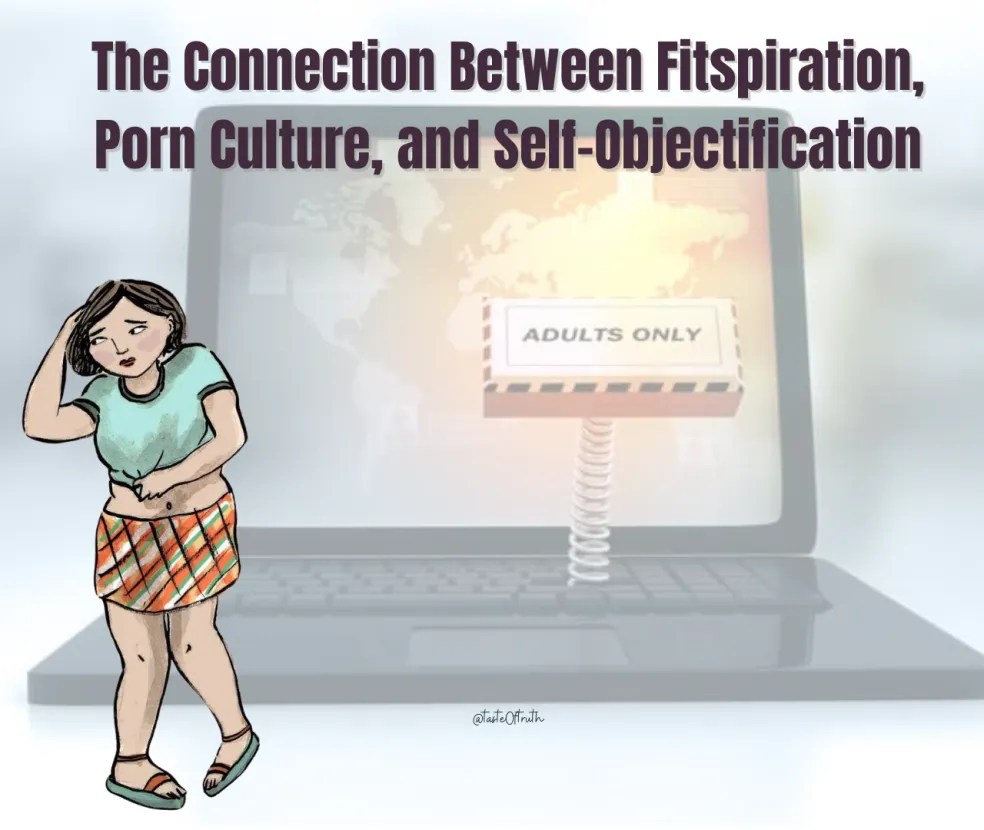
The Connection Between Fitspiration, Porn Culture, and Self-Objectification

The way women are impacted by pornography—and by extension, the sex industry—is something far too many people overlook. The statistics are staggering:

  • The top three porn sites receive a combined 134,491 visits per minute.
  • Most pornographic videos contain some form of aggression or violence, particularly toward women. A 2020 meta-analysis found that 88% of pornographic scenes contain physical aggression (slapping, choking, hair-pulling) and 49% contain verbal aggression, with women overwhelmingly being the targets (Bridges et al., 2010).
  • Most young people are exposed to pornography between the ages of 11 and 13, with some studies reporting an even earlier age for boys (Wright et al., 2021).
  • A 2020 study found that 91.5% of men and 60.2% of women had watched porn in the past month (Solano, Eaton, & O’Leary, 2020).

How This Connects to Fitspiration and Porn Culture

At first glance, fitspiration (or “fitspo”) might seem like it has nothing to do with pornography or the sex industry. After all, isn’t fitness about health and strength? But when we look closer, the connections become clear.

  1. Both fitspiration and porn culture promote self-objectification.
    Fitspiration culture tells women that their worth is tied to their body’s appearance—specifically, whether they have a lean, sculpted, and sexually desirable physique. This reinforces self-objectification, where women begin viewing their bodies primarily as objects to be judged rather than lived-in, experienced, and valued beyond aesthetics.

Remember our study in Computers in Human Behavior (2023) found that exposure to fitspiration imagery leads to increased body dissatisfaction and self-objectification, particularly among women who already struggle with body image….Similarly, pornography fuels external validation as a primary measure of self-worth.

Women in both fitspo and porn culture are expected to conform to an idealized version of femininity that is both hypersexualized and carefully curated for male consumption.

  1. Both industries capitalize on the illusion of empowerment.
    One of the biggest arguments in favor of fitspiration and porn is that they “empower” women. But empowerment, in its truest sense, involves autonomy, agency, and self-determination—not just adhering to societal beauty standards under the guise of “strength” or “choice.”
  • Fitspiration content often presents extreme dieting, excessive exercise, and body sculpting as forms of self-discipline and self-improvement, even when they veer into disordered behaviors.
  • The porn industry promotes the idea that sex work is a path to empowerment, despite overwhelming evidence of the harm it causes to those involved. Research on women in the porn industry has found high rates of PTSD, substance abuse, and coercion (Farley et al., 2003).

The same narrative that tells women they must be “empowered” by fitspiration also tells them they must be “empowered” by commodifying their bodies through sex work. The reality is that both industries profit from women internalizing external standards of worth rather than defining it for themselves.

  1. The rise of OnlyFans and the blending of fitness and sex work.
    Social media has blurred the lines between fitness influencers and the sex industry in a way that previous generations didn’t experience. Platforms like Instagram, TikTok, and OnlyFans have created a new category of influencers who monetize their appearance—whether through fitness content, sexually suggestive photos, or outright pornography.
  • Some fitness influencers now have OnlyFans accounts, where they claim to be selling fitness content but also offer sexually explicit material.
  • The normalization of “soft porn” in fitness spaces (suggestive poses, hypersexualized workout attire) conditions women to see their fitness journey as something that must be publicly displayed and validated by others.
  • Many young women have turned to selling “spicy content” on OnlyFans as a form of income, believing it to be harmless self-expression—only to later experience the psychological and social fallout.

This isn’t just theoretical. A growing body of research shows that women who engage in sexualized self-presentation online report higher levels of self-objectification, body dissatisfaction, and lower self-esteem (Boursier et al., 2020).

The Psychological Toll: What Happens When Women Internalize These Messages?

Self-objectification doesn’t just impact body image—it affects mental health, cognitive performance, and even physical performance. Studies have found that women who are primed to focus on their appearance:

  • Perform worse on cognitive tasks (Fredrickson et al., 1998).
  • Experience greater body shame and anxiety (Moradi & Huang, 2008).
  • Are less likely to engage in activities that prioritize function over appearance (Roberts & Gettman, 2004).

And this has real-world consequences. Women who internalize self-objectification are more likely to experience:

  • Higher rates of depression and anxiety
  • Greater susceptibility to eating disorders
  • Lower confidence in their physical abilities

Reframing the Narrative: What’s the Alternative?

Recognizing these patterns is the first step in breaking free from them. If fitspiration, porn culture, and social media all push the message that women must shape themselves into externally validated objects, then the antidote is reclaiming agency over our bodies—not as things to be looked at, but as tools for living, experiencing, and creating.

  • Strength training should be about what your body can do, not how it looks.
  • Health and fitness should prioritize function over pain.
  • Challenge Beauty Norms & External Validation. Who benefits from women being consumed by their appearance? The more we recognize these influences, the easier it is to resist them.
  • Women should be encouraged to pursue movement, sport, and physical strength without the added layer of performative sexuality.

Joan Jacobs Brumberg’s The Body Project reinforced for me how unprepared young women have been for the level of sexualization and exploitation in our culture—something that has only worsened with social media. The way sex work is framed as “empowerment” in some circles ignores the long-term harm it inflicts, and I’ve seen that firsthand.

I can’t wait to discuss this more with my friend Sloane Wilson, a survivor advocate with Exodus Cry, on my podcast later this season. Her insights into the realities of the sex industry and the dangers of normalizing self-objectification are incredibly important for this conversation.