

Reframing the New Year: Rejecting Quick Fixes for Sustainable Growth

Welcome to Season 3 of Taste of Truth Tuesdays! 🎉 We’re kicking off with a bang, diving deep into a topic near and dear to my heart. After two decades in the fitness industry, I’ve got some game-changing insights, tips, and no-nonsense truths to share. You won’t want to miss a single minute of today’s episode💪✨
The New Year is here, and you’ve probably seen the tidal wave of ads pushing detoxes, cleanses, and resets. Let me stop you right there: NO, you do NOT need a detox, cleanse, or reset after the holidays.
When I say, “quick fix,” what comes to mind? Maybe it’s a detox tea promising to cleanse your system, a miracle shake that claims to replace your meals, or even the latest pharmaceutical weight-loss drug like Ozempic, used off label and hailed as the “solution” to stubborn fat. Quick fixes thrive on our desperation for immediate results. They’re marketed as shortcuts—whispering, “This will solve all your problems,” no patience or hard work required. 🫣
But here’s the hard truth: quick fixes rarely fix anything. Whether it’s a detox, a cleanse, or a medication designed to suppress your appetite, they often bypass the root causes of your concerns. They don’t teach you how to nourish your body or rebuild a healthy relationship with food. Instead, they slap a band-aid on symptoms while creating long-term consequences for your metabolism, hormones, and mental well-being.
Take Ozempic, for example. While it’s been touted as a “miracle” weight-loss drug, there are some serious health warnings that aren’t always front and center. As with significant weight loss in general, some people using these drugs experience muscle loss and lower bone density, increasing the risk of injury—especially for older adults.
In animal studies, semaglutide (the drug behind Ozempic) has been linked to an increased risk of thyroid cancer, including medullary thyroid carcinoma. While we don’t yet know if this risk translates to humans, it’s something to be aware of—especially if you have a family history of thyroid conditions. And let’s not forget the FDA’s 2023 warning about potential intestinal blockage associated with these medications, although the evidence so far shows it’s more about slowed gastric emptying and vomiting mimicking an obstruction.
And here’s the kicker—while these quick fixes promise to reshape your body in a short period, they often come with a slew of side effects that are rarely discussed. The key to managing those risks? Pay attention to your diet, listen to your body, and stay hydrated. But I can’t help but wonder: is the price tag on this “quick fix” really worth it?
In my own journey, I repeatedly fell for these promises—from replacing real food with Smart Start cereal, to taking ephedra and green tea energy pills in high school, and in my 30s, chasing the next shake, cleanse, or some ridiculous holistic protocol that promised to transform my body overnight. Spoiler alert: it never worked the way I hoped, and sometimes, it made things worse.
Today, we’re pulling back the curtain on quick fixes, diving into why they’re so appealing, and exposing the truth about detoxes, cleanses, and even medications like Ozempic. Because your health deserves more than a shortcut—it deserves a sustainable, thoughtful approach rooted in a long-term sense of well-being.
Let’s start by breaking down the dangers of these so-called “solutions” and why they often cause more harm than good.
🚨 The Dangers of Detoxes and Cleanses
Let me start by sharing a bit about my personal experience with Isagenix, an MLM I was involved in for four years. Their program revolved around “shake days” and “cleanse days.” Shake days required replacing two meals with shakes, leaving you with just 1,200-1,500 calories a day. Cleanse days were even more extreme: 24-48 hours of intermittent fasting where you consumed only “approved” snacks—essentially glorified candies from their product line.
These cleanse days were touted as the secret to triggering autophagy, “cleaning up your cells,” and building muscle while shedding fat. But for me, the reality couldn’t have been further from the sales pitch. Instead of gaining energy, building muscle, or feeling cleansed, I experienced fatigue, hormonal disruptions, and a worsening relationship with food.
I want to clarify here: if you’re under the care of a well-educated, integrative professional who has run labs and prescribed a short-term liver cleanse or restrictive protocol tailored to your needs, this isn’t directed at you. I’m talking to the folks who, like me, were misled by the marketing tactics of supplement companies, MLMs, and Pinterest ads. These programs prey on our insecurities while delivering none of the promised benefits.
Here’s why these quick-fix detoxes and cleanses are more harmful than helpful:
They Deplete Your Energy Over Time
On those “cleanse days,” I often felt like I was running on fumes. Severely restricting food intake forces your body to pull from its energy reserves, leaving you fatigued, irritable, and unable to function optimally.
Over time, this restriction triggers metabolic adaptation, slowing down your metabolism to conserve energy. Instead of speeding up fat loss, it makes your body cling to every calorie it gets, making future weight management even harder.
They Disrupt Hormonal Health
My cleanse days wreaked havoc on my hormones. The lack of consistent nourishment interferes with thyroid hormone conversion and overactivated the adrenal glands, increasing cortisol production. Chronic high cortisol levels undermine immunity, energy, and mood.
For women, the risks are even greater. Prolonged restriction sends your body into survival mode, disrupting your reproductive hormones. I dealt with irregular periods, cold extremities, and even hair thinning—all signs that my body was prioritizing survival over reproduction.
They Create Nutritional Deficiencies
When you cut out food, you cut out nutrients. The shakes and supplements from Isagenix were marketed as “nutritionally complete,” but they couldn’t compare to the diversity and richness of whole foods. This reliance on synthetic supplements is not a sustainable way to meet your nutritional needs.
They Damage Your Relationship with Food
One of the most insidious effects of these programs was how they warped my relationship with food. By constantly restricting and “cleansing,” I lost touch with hunger cues and began seeing food as the enemy. At one point, my appetite diminished, which might sound like a win in hustle culture, but it was actually a red flag. Our bodies need food to fuel productivity, creativity, and overall well-being. Sacrificing health in the name of hustle isn’t the flex diet culture makes it out to be.
The Bottom Line
Programs like the one I was involved in sell you the illusion of health while delivering energy depletion, hormonal imbalance, and long-term damage to your metabolism. Sustainable growth comes from nourishing your body, listening to its needs, and rejecting the false promises of quick fixes.
If you’re considering a cleanse or detox, ask yourself: is this supporting my long-term health, or am I falling for a marketing gimmick?
💡 What Your Body Actually Needs
Your body thrives on consistency, nourishment, and balance. That’s why the 365 Easy Challenge focuses on six foundational habits to create sustainable growth:
- Gratitude – Build a positive mindset by reflecting daily on what you’re thankful for.
- Digestion – Support your gut with mindful eating practices and nourishing foods.
- Sleep – Prioritize restorative rest to boost energy and metabolism.
- Mindset/Self Talk – By reframing, shift your mindset to approach challenges with resilience.
- Stress Management & Nutrition – Balance your life and plate without extremes.
These habits aren’t about perfection—they’re about progress. You can join in any time and make this year about sustainable, steady growth. One phrase I often say often to clients:
“Slow is steady and steady is fast.”

Seven Things I Wish I Knew Sooner
In this episode, we’re tackling the first four lessons I wish I’d learned earlier in my nutrition and fitness journey. These are insights that can save you time, frustration, and even your health.
1. Extreme Diets Have Extreme Consequences
If you’ve ever thought, “I just need to cut calories harder,” let me stop you right there. Extreme diets may promise quick results, but they come with a hefty price tag on your body.
Research, such as the Biggest Loser Study (PMID: 27136388), reveals a major roadblock: metabolic adaptation. Your body isn’t wired for vanity; it’s wired for survival. When you restrict calories excessively, your body compensates to preserve energy—this can continue for years after the diet ends (PMID: 35729736).
Here’s what that looks like:
- Calorie restriction becomes less effective over time.
- Your metabolic rate slows down, making it harder to maintain or continue fat loss.
- You feel frustrated, but it’s your body hitting the brakes, not your willpower failing.
Takeaway: Your body isn’t out to sabotage you; it’s protecting you. The solution? Nutritional periodization. Incorporate diet breaks, maintenance phases, and even reverse dieting to minimize these adaptations.
2. Restrictive Diets Wreck Hormonal Health
Chronic or yo-yo dieting isn’t just stressful for your mind—it’s a major stressor for your body. Prolonged restrictions can negatively impact your:
- Adrenal system: Chronic stress triggers the HPA axis, increasing cortisol. While cortisol is essential in moderation, consistently high levels can negatively impact energy, mood, and immunity.
- Thyroid: High stress interferes with TSH production and the conversion of thyroid hormones, which are vital for metabolism.
- Reproductive hormones: Missing or irregular periods, hair loss, and constant coldness? These are signs your body isn’t feeling “safe” enough to prioritize reproduction.
Minimum body fat is necessary to maintain reproductive health, especially for women. Hormones like progesterone, critical for ovulation and metabolism, rely on nutrient availability and a sense of safety
Takeaway: Your body isn’t the enemy—it’s doing its best with the fuel and signals you’re giving it. Support your hormones by eating enough, maintaining balance, and avoiding extreme restrictions. PMID: 2282736
3. Exercise + Intermittent Fasting = Double Trouble for Women
Adding intense exercise to intermittent fasting might sound like a fast track to results, but for women, it’s a recipe for dysfunction. Here’s why:
Women’s bodies are highly sensitive to kisspeptin, a neuropeptide critical for reproductive and endocrine health. Diets like keto and intermittent fasting can disrupt kisspeptin production, leading to:
- Endocrine dysfunction.
- Menstrual irregularities.
- Depression and increased abdominal fat (yes, the opposite of what you wanted).
Half of all active women aren’t eating enough to support basic functions, let alone training. The long-term impact? Impaired thyroid function, stalled muscle growth, and metabolic imbalance.
Takeaway: Women need nourishment, especially when training hard. Fasting and exercise together often do more harm than good, leaving your body stressed instead of thriving.
PMID: 29860237
PMCID: PMC4818825
https://doi.org/10.1038/s41574-020-0363-7
Dr. Stacy Sims
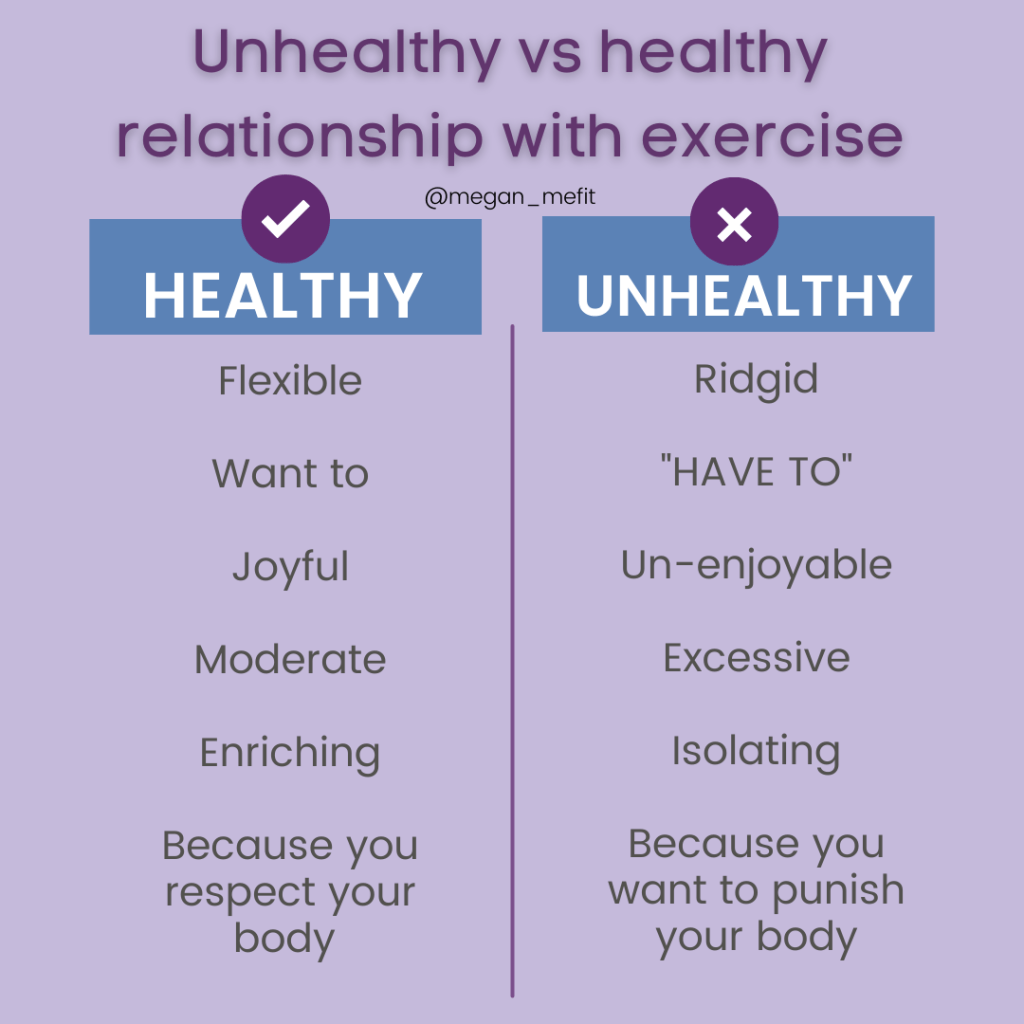
4. A Healthy Relationship with Exercise is Flexible and Fulfilling
Exercise is amazing for your body and mind, but even a good thing can become harmful when taken to extremes.
Exercise addiction is a compulsive engagement in physical activity, despite negative consequences. It often comes with:
- Excessive rules and rigidity.
- Feelings of shame before, during, or after workouts.
- Withdrawal symptoms when unable to exercise.
In contrast, a healthy relationship with exercise is:
- Flexible: It allows for variety in movement types and durations.
- Fulfilling: It’s rooted in joy and self-care, not punishment or guilt.
Takeaway: The best kind of movement is the one that enriches your life, not rules it. Exercise should add value to your day, not take away from it.
✨ Let’s Leave Hustle Culture in 2024👋
Hustle culture says, “Eat less, work more, and sacrifice rest to succeed.” This mindset isn’t empowering—it’s exhausting. This year, let’s prioritize health over hustle and choose habits that energize rather than deplete.
The 365 Easy Challenge is here to help you make that shift. Whether it’s gratitude, better sleep, or balanced nutrition, these small steps add up to big changes over time.

Takeaway for 2025: This year, skip the detox and focus on what truly works: habits that honor your body’s needs, not a quick-fix fantasy. If you’re ready to embrace sustainable growth, join the 365 Easy Challenge and start building a foundation for lifelong health.


 Taste0ftruth Tuesdays