Untangling the Threads of Chronic Pain, Trauma, and Healing

How Emotional Trauma Contributes to Chronic Pain

If you had asked me a year ago why my body hurt so much—why my hips ached, my calves tightened with every step, or why even walking on the treadmill felt like a chore—I would have said it was from overtraining or poor posture. What I couldn’t articulate then was that my pain wasn’t just physical. It was a complex dance involving my nervous system, my fascia, and my body’s attempt to protect itself after years of unresolved trauma.
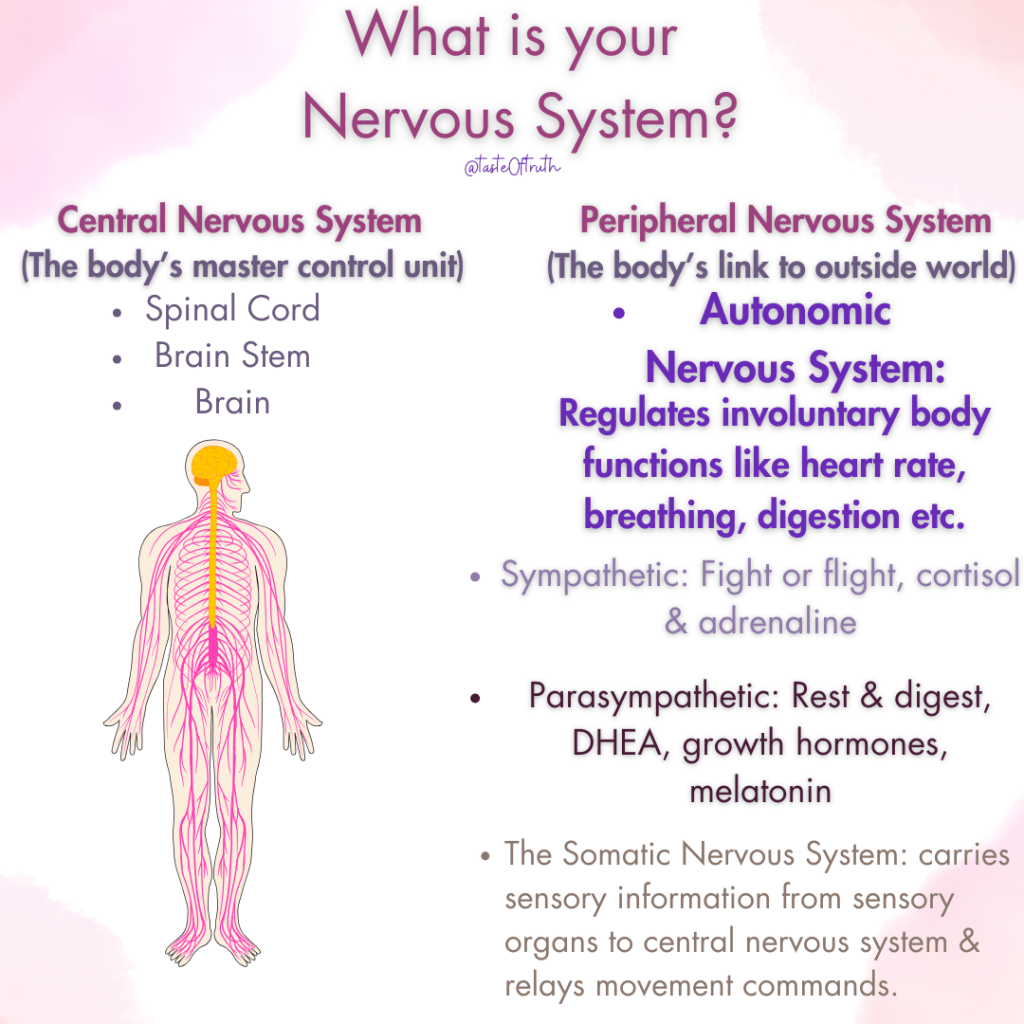
Our nervous system plays a fundamental role in chronic pain. When we experience physical or emotional trauma, our body reacts by creating a heightened state of alertness. Over time, these experiences are encoded in the nervous system as neurotags—clusters of physical, emotional, and cognitive memories that influence how we react to stress and pain. Chronic pain, I’ve learned, is often an echo of this activation. It’s not just about tight muscles or structural imbalances—it’s a survival mechanism trying to make sense of and respond to past trauma.

This is the story of how I’ve started to untangle it all, and how chronic pain, emotional wounds, and trauma are all intricately tied together in ways I never imagined.

The Connection Between Chronic Pain and Trauma

For years, I treated my body like a machine. During my bodybuilding days, I pushed through discomfort, ignored signs of overtraining, and celebrated soreness as a badge of honor. But what I didn’t understand then was how my nervous system was quietly keeping score.

Chronic pain, I’ve learned, isn’t just about tight muscles or structural imbalances—it’s a survival strategy. When we experience trauma, whether from overtraining, stress, or emotional wounds, our nervous system can get stuck in a heightened state of alertness. It’s like a smoke alarm that keeps going off, long after the fire has been extinguished.

Fascia, the connective tissue that surrounds every muscle and organ in our body, plays a fascinating role in this process. Fascia isn’t just structural—it’s sensory. It’s packed with nerve endings that communicate directly with the brain. When the body perceives danger (even subconsciously), the fascia can tighten, creating patterns of tension that mirror emotional or physical trauma. In my case, that tension showed up in my psoas muscles, my calves, and my lower back—all areas associated with safety and movement.

The more I explored these connections, the more I began to see that pain wasn’t random—it was a message from my body. And it was asking me to listen.

The Power of Neurotags: How Pain and Trauma Intersect

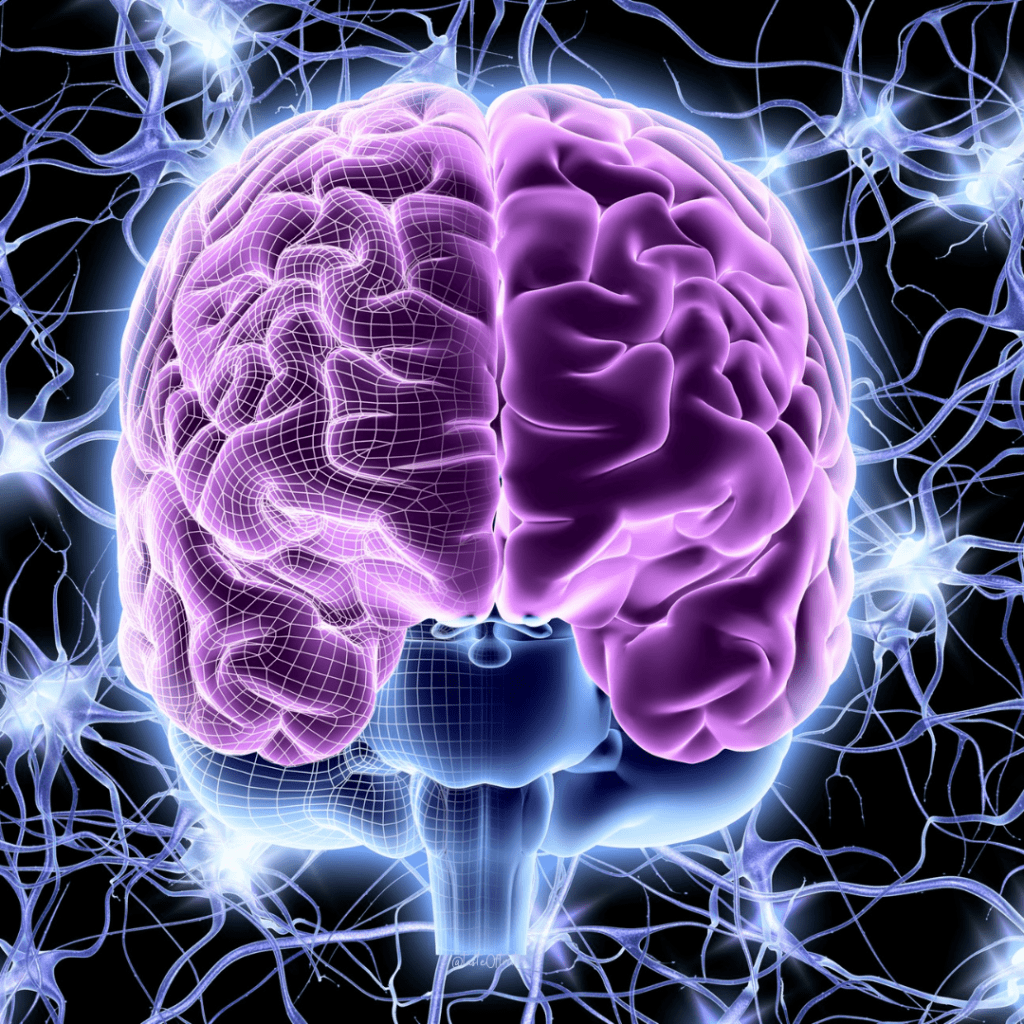
One of the most eye-opening concepts I’ve come across in my journey is the idea of neurotags—a term used to describe the brain’s way of organizing and processing sensory, emotional, and cognitive information. Neurotags are like maps of experiences that are built over time, creating an interconnected network of physical sensations, emotions, and thoughts that work together to form a response to stimuli.

Here’s the kicker: Chronic pain is often stored in these neurotags. When trauma occurs—whether physical, emotional, or psychological—it gets encoded in the nervous system as a pattern. These patterns are not just about the physical experience of pain, but also the emotions and thoughts tied to that experience.

When trauma is stored in the nervous system, it doesn’t just affect how we feel physically; it affects our entire emotional and cognitive landscape. For example, someone who has experienced physical trauma may also experience emotional flashbacks or cognitive distortions that are linked to that experience. These flashbacks are like sudden replays of past trauma, but they don’t just exist in the mind—they can show up physically in the body.


Neurotags, Emotional Flashbacks, and Chronic Pain

Think about it this way: When we experience a traumatic event, our nervous system reacts by encoding that event into a neurotag. This neurotag includes not only the physical sensations (like tightness, pain, or discomfort), but also the emotions (fear, anger, sadness) and cognitive patterns (thoughts like “I am unsafe” or “I am weak”).

Emotional flashbacks happen when the brain reactivates these neurotags, causing the body to respond as if the trauma is happening again. This is why someone with chronic pain may experience intense emotions that seem disproportionate to the physical sensations they’re feeling. The pain can trigger a flashback—a sudden, overwhelming re-experience of trauma that isn’t just mental but is felt deeply in the body.

In my case, the tension I experienced in my hips and lower back was a reflection of both the physical trauma of overtraining and the emotional trauma I had internalized from years of pushing myself too hard and ignoring my body’s signals. When my nervous system encountered stress, it activated these neurotags, making the tension and pain feel more intense and more pervasive. The more I resisted this pain or ignored the emotional connection to it, the worse it became.


How I’m Healing: Creating New Neurotags and Engaging the Vagus Nerve

Understanding neurotags has been revolutionary in how I approach my healing process. The key to healing, I’ve learned, is not simply “fixing” the physical pain but reprogramming the neurotags. This involves creating new patterns that support healing, safety, and relaxation.

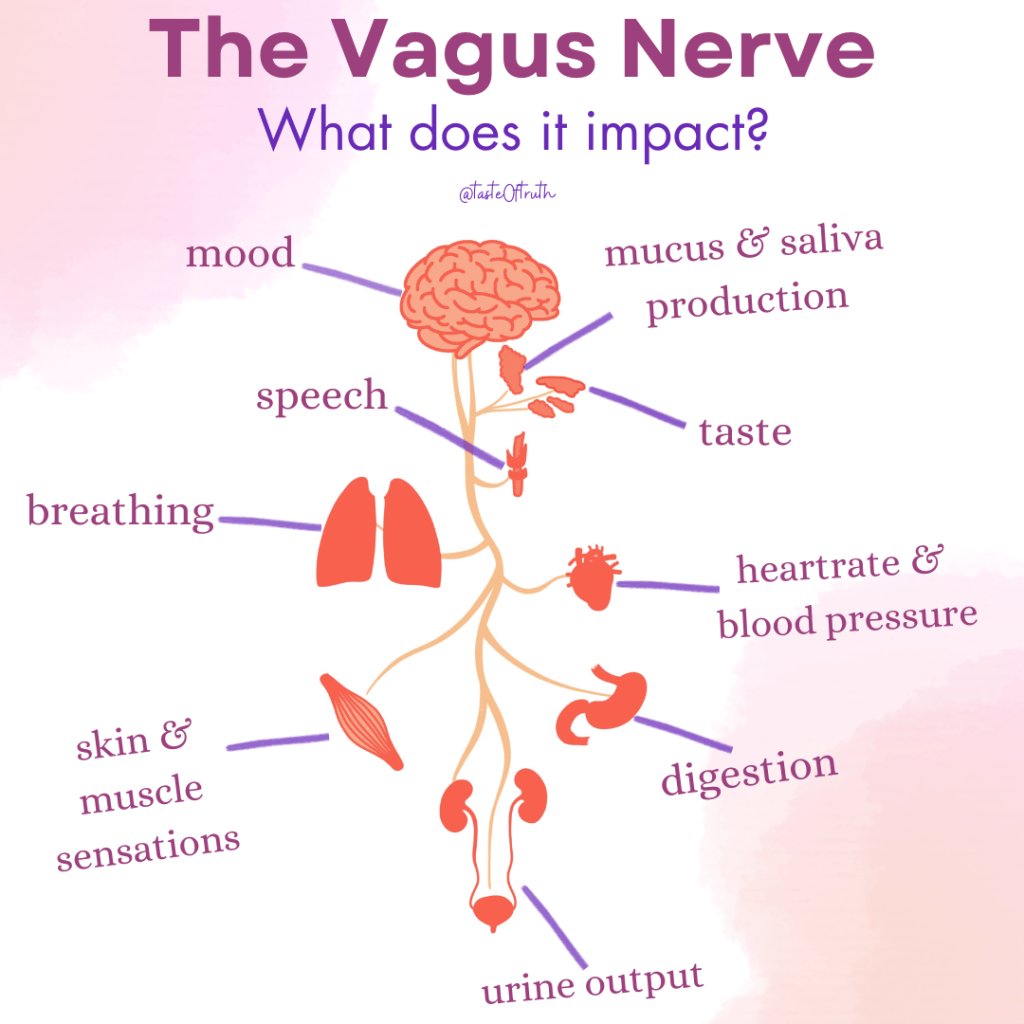
One powerful way I’m rewiring my nervous system is by engaging the vagus nerve, the longest cranial nerve that plays a critical role in regulating the parasympathetic nervous system. The vagus nerve is like the body’s “brakes,” helping to turn off the fight-or-flight response and return the body to a state of calm. When activated, it encourages relaxation, emotional regulation, and recovery—exactly what my body needs as I untangle the tension stored in my fascia and nervous system.
Here’s how I’m starting to rewire my system:

Reconnecting with Joyful Movement:
I’ve reintroduced activities that make me feel alive, like walking in the garden or playing with my pets. These moments remind me that movement isn’t just about strength—it’s about freedom. By incorporating joyful, non-stressful activities, I’m helping to reinforce new neurotags that associate movement with pleasure and ease.

Reclaiming Safety Through Movement:
Instead of high-intensity workouts, I’ve shifted to gentle, functional exercises that strengthen my core and glutes while supporting my nervous system. Slow, mindful movements like glute bridges, bird dogs, and pelvic tilts have become my new best friends. These exercises not only build strength but signal to my nervous system that it’s safe to move.

Releasing Fascia with Love:
I’ve embraced somatic practices like gentle rocking, diaphragmatic breathing, and fascia-focused stretches to help release tension. These practices aren’t just physical—they’re a way of telling my body, “You’re safe now.” They help reprogram the neurotags associated with stress and trauma by sending a message of relaxation and calm.

Vagus Nerve Activation:
To support my nervous system’s recovery, I’ve incorporated practices that stimulate the vagus nerve, such as slow, deep belly breathing and humming. Breathing deeply into my diaphragm (focusing on long exhales) has been especially helpful in calming my body and signaling to my nervous system that it’s okay to relax. By consciously engaging my vagus nerve, I’m helping shift from the fight-or-flight response into a restorative state.

Rewriting Emotional Patterns:
Rewiring my nervous system also means rewriting my emotional patterns. This involves acknowledging the emotional flashbacks that arise when pain triggers old neurotags and consciously choosing to respond with compassion and self-care. Instead of reacting with fear or frustration, I’m learning to pause, breathe, and remind myself that I’m safe now.

What Chronic Pain Has Taught Me

Chronic pain has been a tough teacher, but it’s taught me lessons I wouldn’t trade for anything:

  • Your body is always on your side. Pain is a signal, not a punishment.
  • Healing isn’t linear. Some days, progress looks like resting instead of pushing.
  • Movement is medicine, but only when done with intention and love.

I share this journey because I know I’m not alone. So many of us carry the weight of trauma—both emotional and physical—in our bodies. And while the road to healing isn’t easy, it’s worth it.

If you’re navigating chronic pain, I want you to know this: Your body isn’t broken, and you don’t have to fight it. With the right tools, patience, and self-compassion, you can create safety, release tension, and rediscover the joy of movement.

I’m still on this journey, and I’d love to hear about yours. What has chronic pain taught you? How are you learning to trust your body again? Let’s keep this conversation going—because healing happens when we feel safe enough to share.
How Creative Expression Helps Overcome Trauma

When you grow up in a high-control environment—whether through religion, a rigid upbringing, or a spiritual path that preaches emotional suppression—it can feel like your natural human emotions are something to be ashamed of. I’ve lived it. In the high-control religion I was a part of, anger wasn’t just frowned upon; it was portrayed as sinful, a sign of personal failure or weakness. Through the lens of ACBC Biblical counseling (Nouthetic Counseling), anger was framed as something to be suppressed, manipulated out of existence with tactics like guilt, shame, and isolation. But here’s the truth: anger, like any other emotion, isn’t inherently wrong. It’s human. And when we lose access to it, we also lose access to parts of ourselves.

Anger, as Aristotle once put it, is a passion. When experienced and expressed for the right reasons and in the right way, it can even be virtuous. Yet, in so many spiritual environments, particularly the ones I encountered, emotions like anger were seen as dangerous, spiritually harmful, or outright sinful. Especially for women, who are often taught to prioritize harmony and remain calm at all costs, anger can become something we’re scared to touch. For men, anger might be more accepted, but vulnerability is not, creating its own emotional imbalance.

What happens when we suppress emotions like anger? We get stuck, often feeling disconnected from our bodies, from our creativity, and from any sense of playfulness. That’s why art and play become essential tools in healing from spiritual and religious trauma. They allow us to access and express emotions that were long buried, giving us the space to feel without fear. Art doesn’t just heal—it empowers. It gives back what was stolen. Let’s unpack why:

Why Art & Play Matter in Healing Trauma

Trauma—especially the kind stemming from spiritual or religious abuse—can leave you feeling stuck, numb, or like a stranger to your own creativity. High-control environments stifle our freedom to express, explore, or simply be. Art and play can feel like reclaiming those parts of us that were silenced, buried under the weight of shame, fear, or guilt.

“Wherever I look, I see the same themes: not being allowed to feel, to say what you feel, to trust your perceptions, to ask for what you need. This is how we remain imprisoned in our pain.” -Alice Miller

Engaging in creative expression—whether it’s painting, dancing, writing, or making music—gives us a way to process emotions that can be difficult, even impossible, to articulate. Trauma lodges itself deep in the body and subconscious, often beyond the reach of words. But through art, we can access those hidden parts and begin to heal them in ways that talking just doesn’t touch. It’s like tapping into a language the body understands.

Play, on the other hand, might feel like a foreign concept if you’ve been conditioned to take life way too seriously, to follow rules without question. But it’s through play that we reconnect with spontaneity, joy, and a sense of safety—things that high-control environments tend to strip away. Play is about reawakening that inner child, the part of you that knows how to explore and create without fear of judgment. It’s about taking back the joy you were told to suppress.

How Art & Play Help in Deconstructing Religious Trauma

When we start unraveling the teachings we once held as truth, it can feel like walking through a minefield. Shame, fear, and guilt are often deeply embedded in the narratives we were fed. Art becomes a tool for rebellion, a way to question, challenge, and rewrite those beliefs. By creating, we aren’t just making things; we’re making space for new perspectives. We’re loosening the grip that old doctrines had on us.

In high-control environments, the idea of play is usually dismissed as frivolous or even sinful. Reclaiming that sense of play is like finding a key to unlock the parts of yourself that were shut away. Playfulness, whether it’s dancing with wild abandon, hula hooping (yes, circus arts shoutout!), or exploring new hobbies, gives you back a sense of agency. It’s a way to create space for curiosity again, to embrace wonder without the burden of fear or shame. Think of it as giving yourself permission to live without someone else’s narrative hanging over you.

Scientific Backing for Creative Therapies

The science backs this up, too. Numerous studies have shown that creative therapies—like art, dance, and even movement-based play—can significantly reduce symptoms of PTSD, anxiety, and depression. They work by helping the brain rewire itself through neuroplasticity. When you engage in creative activities, you’re not just distracting yourself—you’re helping your brain form new, healthier connections. You’re building resilience, reprogramming the way your brain responds to trauma.

Art and play ignite parts of the brain that foster emotional regulation and healing. This is where trauma lives, after all—deep within the nervous system. But creativity taps into a different part of the brain than verbal communication does, allowing survivors of trauma to express and release emotions they may not even know they’re holding onto.

By embracing art and play, you’re not just finding a distraction from your pain—you’re giving yourself a way to heal, to reclaim parts of yourself that were taken, and to reconnect with joy, creativity, and freedom. The beauty of it all? There’s no right or wrong way to do it. You’re creating your path forward. So, grab that paintbrush, dance it out, or pick up that pen and let your soul speak.

Resources for Healing Through Art and Play

Books:

  1. “Healing the Fragmented Selves of Trauma Survivors” by Janina Fisher
    This book dives into how trauma fragments a person’s sense of self, especially those recovering from spiritual abuse or high-control environments. Fisher provides practical tools, like body-based therapies and creative expressions, to help reintegrate those fragmented parts into a cohesive whole.
  2. “Trauma and Recovery” by Judith Herman
    Herman’s work is a cornerstone in understanding trauma and its long-term effects. She emphasizes the importance of survivors reclaiming their voices, and how creative expression—whether through writing, painting, or dance—plays a critical role in their recovery journey.
  3. “The Creative Cure” by Jacob Nordby
    Nordby explores how reconnecting with creativity can reignite your sense of self and joy. Especially for those who’ve had their emotional expression controlled or diminished by strict belief systems, this book offers a roadmap to reclaiming a more authentic, free version of yourself through creativity.
  4. “Complex PTSD: From Surviving to Thriving” by Pete Walker
    This book focuses on healing the long-term effects of complex PTSD, which many individuals from high-control religious backgrounds experience. Walker highlights how therapeutic outlets like art, journaling, and other forms of play help survivors process their trauma and begin to thrive again.
  5. “Art Therapy Sourcebook” by Cathy Malchiodi
    Malchiodi is a pioneer in the field of art therapy. This book is a practical guide for anyone looking to explore art as a form of emotional expression and healing, especially in the context of trauma recovery. It offers hands-on approaches for integrating creative expression into your healing process.

Articles & Journals:

  1. American Art Therapy Association
    This site offers numerous research studies on the effectiveness of art therapy in healing trauma, especially for those recovering from spiritual abuse or restrictive environments. It provides a well-rounded view of the therapeutic benefits of engaging in creative arts.
  2. International Journal of Play Therapy
    A comprehensive journal that highlights the healing potential of play therapy for trauma survivors. It explores how play can foster emotional resilience and repair, allowing individuals to reconnect with parts of themselves that were silenced or controlled.
  3. “Creative Arts Therapies and Trauma: Scope and Impact”
    A review that outlines how various forms of creative expression—like music, drama, and visual arts—help trauma survivors heal. This article explains how these therapies leverage the brain’s neuroplasticity to create new, healthier emotional patterns.

Experts & Practitioners:

  1. Pat Ogden – Sensorimotor Psychotherapy
    Ogden’s work is at the intersection of movement and trauma recovery. She focuses on how trauma manifests in the body and uses techniques like creative movement and body-based therapies to help people heal from deep emotional wounds. Her book “Trauma and the Body” is a great resource for understanding this approach.
  2. Peter Levine – Somatic Experiencing
    Levine is renowned for his work on trauma recovery through the body. His book “Waking the Tiger: Healing Trauma” offers insights into how movement and body-based expression can help survivors release trauma and regain a sense of safety and control.

Podcasts & Websites:

  1. Sounds True – Insights at the Edge Podcast
    Hosted by Tami Simon, this podcast often features interviews with leading experts in trauma and healing. Guests like Peter Levine and Pat Ogden discuss the importance of integrating creative practices like art and movement into trauma recovery.
  2. Healing Arts Radio (Online Radio Show)
    Focused on art therapy and trauma healing, this show features episodes on creative therapies and personal stories of recovery through art. It’s an inspiring resource for understanding how play and art can transform emotional wounds into creative empowerment.
  3. Institute for Creative Mindfulness
    This site provides resources and courses on expressive arts therapies for trauma survivors. It emphasizes how art and movement therapies foster resilience and healing by tapping into emotional expression and body awareness.