


Are you ready to unravel the layers of reality, challenge the narratives we’ve been fed, and embrace the journey toward deeper understanding? Welcome to this week’s episode of Taste of Truth Tuesdays, where curiosity is your compass and skepticism your guide. Our wonderful guest, Carie Moore, dives into the profound wisdom of St. Francis of Assisi, exploring how his teachings not only resonate with modern challenges but also empower us to live with intention, compassion, and an unyielding quest for truth.
Buckle up, because we’re about to explore a spiritual path that’s as relevant today as it was centuries ago.
In a world filled with complexity and challenges, finding a spiritual path that resonates with both ancient wisdom and modern realities can be a profound journey. The teachings of St. Francis of Assisi offer a unique perspective that blends a deep reverence for nature with a compassionate approach to faith, making Franciscan principles a valuable guide for our spiritual growth today. Let’s explore how these timeless ideas can address some of the pressing issues we face and enrich our spiritual lives.
Scripture as a Living Guide
Franciscan theology views scripture not merely as a static set of rules but as a dynamic, living guide that evolves with our understanding and experiences. This perspective encourages a more flexible and personal approach to faith, where scripture becomes a tool for reflection and growth rather than a rigid doctrine. By seeing scripture as alive, Franciscan wisdom invites us to continually engage with it, allowing its teachings to shape our journey in a way that is relevant to our current challenges and questions.
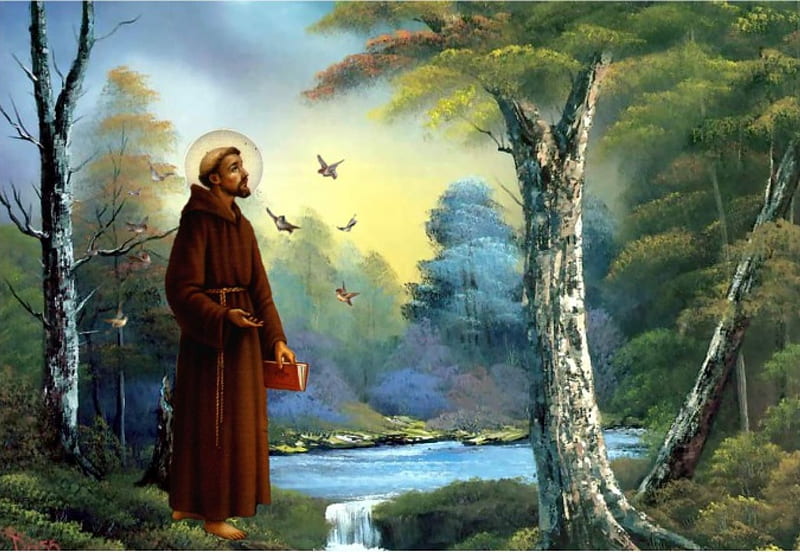
Nature as a Reflection of God’s Beauty
St. Francis is renowned for his deep connection to nature, seeing all of creation as a reflection of God’s beauty. This reverence for the natural world resonates strongly in today’s context, where environmental concerns and the pursuit of sustainable living are increasingly important. Gardening, growing our own food, and nurturing our health can be seen as spiritual practices in the Franciscan tradition, ways of honoring the divine in the everyday world around us. By cultivating a mindful relationship with nature, we align ourselves with the Franciscan view of creation as a sacred gift.
Embracing Original Goodness
In mainstream Western Christianity, the doctrine of Original Sin is a cornerstone of theological understanding. This belief, rooted in the Genesis account of Adam and Eve’s disobedience in the Garden of Eden, posits that humanity inherited a fallen, sinful nature as a result of this first transgression. According to this view, Original Sin not only taints every human being but also separates them from God. This inherent flaw necessitates redemption and salvation through Jesus Christ, emphasizing a view of human nature that is fundamentally flawed and in need of divine intervention for reconciliation with God.
This perspective on Original Sin often frames human beings as inherently imperfect and prone to moral failings, which can create a backdrop of guilt and shame. It underscores the need for a savior and reinforces a narrative of human inadequacy that is to be addressed through faith, repentance, and adherence to divine commands.
In contrast, Franciscan theology offers a refreshing and radically different perspective. St. Francis of Assisi and his followers emphasize the concept of Original Goodness rather than Original Sin. This approach reinterprets the story of humanity’s beginnings not as a tale of inherent sinfulness but as one that highlights the fundamental goodness with which humanity was created. According to Franciscan thought, while humanity has the capacity for error, it is fundamentally good and created in the image of God. This view shifts the focus from a narrative of inherent guilt and sinfulness to one of intrinsic worth and potential.
By embracing the idea of Original Goodness, Franciscan theology challenges us to view ourselves and others through a lens of inherent dignity and potential rather than judgment and condemnation. This perspective fosters a more compassionate and hopeful outlook on human nature. It encourages us to see beyond our flaws and recognize the divine spark within ourselves and others, promoting a mindset of acceptance and love rather than guilt and shame.
In a world often dominated by negativity, judgment, and the harshness of modern life, adopting the Franciscan view of Original Goodness can be profoundly liberating. It allows for deeper self-acceptance and a more loving approach to our interactions with others. By acknowledging the fundamental goodness in every person, we can cultivate a more nurturing and supportive environment, both within ourselves and in our relationships.
Thus, while mainstream Christianity’s focus on Original Sin highlights human imperfection and the need for redemption, Franciscan theology invites us to celebrate the inherent goodness in each person, leading to a more compassionate and hopeful approach to life and faith.

The Incarnation as a Divine Choice
The Incarnation: A Tale of Two Theologies
The Incarnation—the belief that God became human in the person of Jesus Christ—is a central doctrine in Christianity, but its interpretation can vary significantly between mainstream Western Christianity and Franciscan theology. Understanding these differences can offer profound insights into how we relate to God and perceive our own sense of purpose.
Mainstream Western Christianity: The Response to Sin
In mainstream Western Christianity, particularly within traditions influenced by Augustine and later theological developments, the Incarnation is often framed primarily as a response to the problem of sin. According to this view, God became human because humanity’s original sin created a chasm between God and creation. The divine act of becoming incarnate is seen as a necessary step to address and rectify this separation.
Here, the focus tends to be on Jesus’s role as the savior who redeems humanity from the consequences of sin and reconciles them with God. The Incarnation is thus viewed through the lens of necessity and redemption—a divine remedy to the human flaw of Original Sin. This perspective underscores the idea that the primary purpose of Christ’s coming was to offer salvation and atonement, highlighting human sinfulness and the need for divine intervention.
Franciscan Theology: A Choice of Love and Closeness
In contrast, Franciscan theology offers a more nuanced and profoundly relational interpretation of the Incarnation. According to Franciscan thought, the Incarnation was not merely a response to sin but a free and loving choice by God. This perspective emphasizes that God’s decision to become human was motivated by a deep desire to be intimately close to humanity, rather than solely to address the problem of sin.
St. Francis of Assisi and his followers believed that God’s incarnation represented an expression of divine love and a way to embrace the human experience fully. In this view, the Incarnation is seen as a gift of presence, revealing God’s profound love and willingness to share in human suffering, joy, and daily life. It is an act of divine solidarity that highlights the inherent worth and dignity of human life.

Implications for Our Relationship with God and Sense of Purpose
Understanding the Incarnation through the Franciscan lens can have significant implications for our personal relationship with God and our sense of purpose:
- A Loving Relationship: Viewing the Incarnation as an expression of God’s love rather than a mere solution to sin fosters a relationship with God that is centered on intimacy and mutual connection. It emphasizes that God’s presence in our lives is rooted in love and closeness, rather than just as a response to our shortcomings. This understanding can make our relationship with God feel more personal and nurturing, focusing on divine companionship rather than just divine intervention.
- Embracing Human Experience: Recognizing that God chose to become human and share in our experiences encourages us to embrace our own lives with a sense of purpose and dignity. It suggests that our daily experiences, struggles, and joys are deeply valued by God. This perspective can inspire us to live more fully and authentically, knowing that our human lives are part of a divine narrative of love and connection.
- Redefining Redemption: While redemption remains a crucial aspect of Christian faith, understanding it through the lens of God’s loving choice rather than solely as a response to sin can shift the focus from guilt and atonement to a broader view of spiritual growth and transformation. It invites us to see redemption as an ongoing process of deepening our relationship with God and living out the love and presence that the Incarnation signifies.
- Purposeful Living: Finally, this understanding of the Incarnation encourages us to find purpose in embodying the love and closeness that God demonstrated through becoming human. It inspires us to act with compassion, to engage with others in meaningful ways, and to approach life with a sense of divine purpose and connection.
By reflecting on the Franciscan view of the Incarnation, we gain a richer appreciation of God’s relationship with humanity and how that relationship can shape our own lives. It reminds us that our faith is not just about addressing sin but about embracing a profound and loving connection with the divine.
Walking in Christ’s Footsteps
Walking in the Footsteps of Christ: Franciscan Spirituality vs. Mainstream Christianity
In the heart of Franciscan spirituality lies a profound call to embody the teachings and life of Jesus Christ. St. Francis of Assisi’s invitation to “walk in the footsteps of Christ” is not just about personal piety or theological correctness; it’s about a holistic approach to living out one’s faith in every aspect of life. This call for transformative living extends beyond personal spiritual growth to include how we engage with and impact the world around us.
Franciscan Spirituality: Embodying Love and Compassion
For St. Francis and his followers, walking in Christ’s footsteps means living a life marked by radical love, compassion, and humility. This journey is deeply intertwined with how one interacts with others and the world:
- Acts of Service: Central to Franciscan spirituality is the practice of serving others selflessly. This involves reaching out to those in need, whether through direct acts of charity, social justice efforts, or simply offering a listening ear and a helping hand. By prioritizing service, Franciscans aim to mirror the compassion of Christ, who served and cared for the marginalized and downtrodden.
- Care for the Environment: St. Francis is famously known for his deep connection to nature, seeing all of creation as a reflection of God’s beauty. Walking in Christ’s footsteps, from a Franciscan perspective, involves stewardship of the environment. This includes advocating for sustainable practices, respecting the natural world, and recognizing the interconnectedness of all life. The care for creation reflects a commitment to honoring the divine gift of the world.
- Being Present with Others: Franciscan spirituality emphasizes being fully present with others, practicing active listening, and fostering genuine relationships. This presence is an expression of love and respect, reflecting the way Christ engaged with people during his ministry. By valuing and investing in personal relationships, Franciscans strive to embody the love and empathy exemplified by Christ.

Mainstream Christianity: Focus on Belief and Salvation
In contrast, mainstream Western Christianity often places significant emphasis on doctrinal correctness and salvation. This focus manifests in various ways:
- Protecting from Hell: A central concern in mainstream Christianity is ensuring that individuals are saved from eternal damnation. This focus often leads to a preoccupation with adherence to specific beliefs, confessions, and rituals designed to secure one’s place in heaven. The emphasis is on right belief and confession as the primary means of salvation.
- Belief and Confession: Theological correctness and confession of faith can become central to the Christian experience, sometimes overshadowing the practical aspects of living out one’s faith. There is a strong emphasis on believing the right things and making the correct confessions, which can lead to a focus on doctrinal purity rather than living out the teachings of Christ in daily life.
Carie Moore’s Insight: The Living Faith vs. Theoretical Faith
Carie Moore’s observation highlights a critical distinction between these approaches. While mainstream Christianity often focuses on ensuring that people hold the correct beliefs and are protected from hell, Franciscan spirituality challenges believers to focus on living like Christ. This living faith involves:
- Authentic Application: Instead of merely adhering to doctrinal statements, Franciscan spirituality calls for the practical application of Christ’s teachings. This means living a life of love, humility, and service, embodying Christ’s example in tangible ways.
- Transformational Living: Franciscan spirituality emphasizes that the true measure of faith is not just in correct beliefs but in how those beliefs translate into actions. It’s about personal transformation that leads to meaningful engagement with the world and others.
- Holistic Faith: The Franciscan approach integrates spiritual beliefs with everyday actions, suggesting that a genuine walk with Christ involves living out one’s faith in all aspects of life—through service, environmental care, and compassionate presence.
Conclusion
In summary, while mainstream Christianity often emphasizes correct belief and salvation as its primary focus, Franciscan spirituality invites a broader and more integrated approach to faith. Walking in the footsteps of Christ, according to Franciscan teachings, is about embodying love, compassion, and humility in every action and interaction. Carie Moore’s insight points to a profound shift from a focus on theoretical correctness to a lived experience of faith, encouraging a holistic and impactful approach to embodying the teachings of Christ in our daily lives.
How does this call shape your spiritual journey and your interactions with the world?
The wisdom of St. Francis offers a rich and nuanced approach to spirituality that is deeply relevant to the challenges we face today. By embracing Franciscan principles, we can find new ways to grow spiritually, nurture our connection to nature, and engage with our faith in a dynamic and meaningful way. As you reflect on these questions, consider how Franciscan wisdom might illuminate your own spiritual path and inspire you to live with greater purpose and compassion.
To dive deeper into Franciscan spirituality, a variety of resources can provide valuable insights into the teachings and practices associated with St. Francis of Assisi and his followers. Here are some highly regarded books, articles, and online resources to help you explore Franciscan spirituality:
Books
- “The Little Flowers of St. Francis” by St. Francis of Assisi
- This classic work offers a collection of stories about the life and teachings of St. Francis, providing a glimpse into his spiritual practices and his approach to living a Christ-like life.
- “Francis of Assisi: A Revolutionary Life” by Adrian House
- A comprehensive biography that explores the life of St. Francis, his spiritual journey, and the impact of his teachings.
- “St. Francis and the Foolishness of God” by Richard Rohr
- Richard Rohr, a contemporary Franciscan friar, provides a modern interpretation of St. Francis’s spirituality and its relevance to today’s world.
- “The Franciscan Journey: A Guide to Franciscan Spirituality” by Thomas of Celano
- This book offers insights into Franciscan spiritual practices and the historical context of St. Francis’s life.
- “Daily Devotions with St. Francis of Assisi” by Susan Helen Wallace
- A practical guide for integrating Franciscan spirituality into daily life through devotions and reflections.
Articles and Journals
- “Franciscan Spirituality and Its Influence” by William Short
- An article exploring the historical development and impact of Franciscan spirituality within the Christian tradition.
- “The Spirituality of St. Francis of Assisi” by Richard Rohr
- An article by Richard Rohr that delves into the key elements of Franciscan spirituality and how they can be applied to contemporary life.
- “Franciscan Spirituality: A Historical and Theological Overview” in the Journal of Franciscan Studies
- Academic articles providing scholarly analysis of Franciscan spirituality and its theological implications.
Online Resources
- Franciscan Media (franciscanmedia.org)
- A website dedicated to sharing information about Franciscan spirituality, including articles, podcasts, and resources related to St. Francis and his teachings.
- The Order of Friars Minor (OFM) (ofm.org)
- The official website of the Franciscan Order provides resources on Franciscan spirituality, history, and contemporary practices.
- Richard Rohr’s Center for Action and Contemplation (cac.org)
- Richard Rohr’s organization offers various resources, including articles, podcasts, and online courses on Franciscan spirituality and contemplative practices.
- St. Francis of Assisi Parish (stfrancisassisi.org)
- Many parish websites include resources on Franciscan spirituality, including spiritual reflections, teachings, and community activities.
- Franciscan Spirituality on YouTube
- Search for video resources and talks on Franciscan spirituality. Channels such as Franciscan Friars of the Renewal often provide videos on St. Francis and Franciscan practices.
These resources will help you gain a comprehensive understanding of Franciscan spirituality, its historical context, and its application to modern life.
#FranciscanWisdom #SpiritualGrowth #NatureAndFaith #TheologicalExploration #podcast
 Taste0ftruth Tuesdays