

From religion to politics, why deeply held beliefs trigger defensiveness, outrage, and even hostility—and how we can foster better conversations.
We all have seen how the internet seems to bring out everyone’s inner troll. 🧌
The moment a deeply held belief—whether religious or political—is questioned, people lash out with hostility, aggression, or outright rage. Why does this happen? Why do some people react as if their very identity is under attack?
This past summer, we sat down with Dr. Mark Gregory Karris to explore religious trauma, belief deconstruction, and the psychological grip of fundamentalist ideology.
This season on Taste of Truth, we have been expanding the conversation—because this isn’t just about religion. Political ideologies, social movements, and even scientific debates can trigger the same defensive responses.
Fundamentalist thinking—whether in religion or politics—creates a fear-driven, us-vs-them mentality.
At its most basic, the allure of fundamentalism, whether religious or ideological, liberal or conservative, is that it provides an appealing order to things that are actually disorderly. -Peter Mountford
This hits at something crucial that I’ve written about numerous times before: the human brain craves order, even in the face of chaos. The illusion of control is a powerful psychological driver, and our brains reward it with dopamine. Fundamentalist thinking offers a structured, black-and-white framework that feels safe and predictable, making it incredibly appealing—especially in times of uncertainty. It’s why people cling even harder to rigid beliefs when they feel threatened. Whether in faith or politics, the need for certainty can override openness to new information, leading to the defensive reactions we see when those beliefs are questioned.
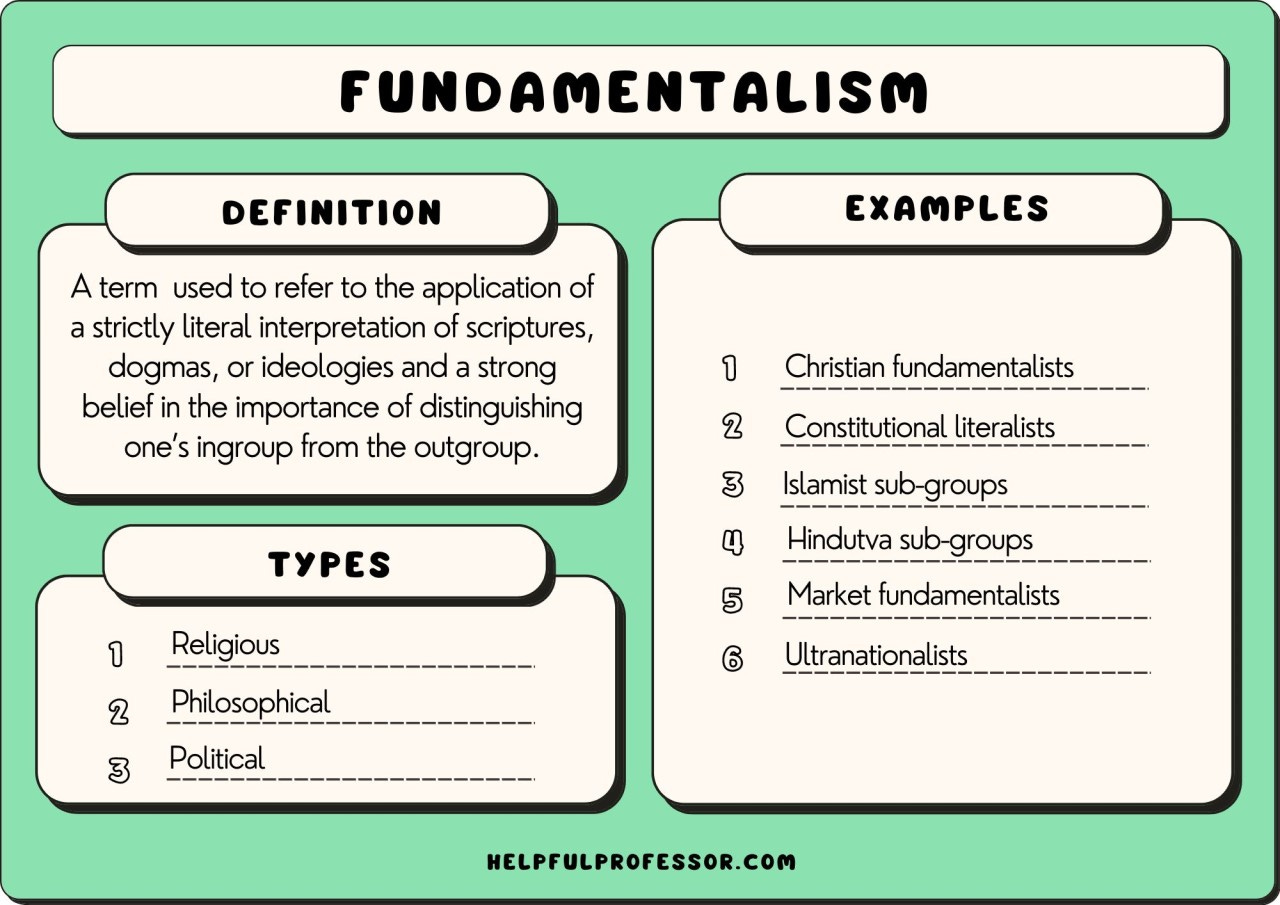
The moment someone questions the “truth,” it’s perceived as an existential threat, triggering anxiety, cognitive dissonance, and sometimes outright hostility.
Take a look at the patterns:
- Verbal Attacks: When someone questions a core belief, the response can be insults, shouting, or belittling. For example, in religious circles, someone questioning doctrine might be labeled a heretic, while in political spaces, dissenters might be called traitors or bigots.
- Social Ostracism: In both fundamentalist religious and political groups, those who challenge the status quo risk being shunned, excommunicated, or “canceled.” A former churchgoer who deconstructs their faith may be cut off from their community, just as someone who questions ideological orthodoxy in politics might lose social standing, friendships, or even career opportunities.
- Online Harassment: Social media amplifies these reactions. Question a sacred political narrative? Expect dogpiling. Challenge a religious doctrine? Brace yourself for moral outrage. The internet rewards ideological purity and punishes deviation.
- Physical Aggression: In extreme cases, questioning or challenging deeply held beliefs can escalate to threats or violence. History is littered with examples—holy wars, political purges, ideological revolutions—all stemming from the belief that certain ideas must be defended at any cost.
This isn’t just about bad behavior—it’s about psychology. When beliefs become intertwined with identity, disagreement feels like a personal attack. Fundamentalist teachings—whether religious or ideological—reinforce this by instilling fear of deviation:
- Fear of Deviation – Straying from the accepted belief system is framed as dangerous, whether it’s framed as spiritual damnation or societal collapse.
- Cognitive Dissonance – Encountering opposing viewpoints creates internal discomfort, making people double down rather than reconsider.
- Fear of Consequences – Whether it’s eternal hellfire or being cast out by one’s political tribe, the cost of questioning is framed as too high.
- Identity Threat – When beliefs define self-worth, changing one’s mind feels like losing a part of oneself.
- Social Pressure – Communities reinforce conformity, and breaking from the group’s ideology invites punishment.
When Morality Binds and Blinds
In The Righteous Mind, Jonathan Haidt explains how moral systems don’t just guide our sense of right and wrong—they also bind us to our tribes and blind us to opposing perspectives. Morality evolved not just to help individuals make ethical choices but to reinforce group cohesion. When we share a moral framework with others, it strengthens social bonds and builds trust. But there’s a cost: once we’re deeply embedded in a moral community—whether religious, political, or ideological—we stop seeing outside perspectives clearly.
This is why people react with such hostility when their beliefs are challenged. They aren’t just defending a set of ideas; they’re defending their sense of identity, belonging, and moral righteousness. A challenge to the belief feels like a challenge to the self—and to the entire group they’re part of.
This also explains why fundamentalist thinking isn’t confined to religion. Political movements, activist groups, and even secular ideologies can exhibit the same rigid certainty, group loyalty, and hostility toward outsiders. The more a belief system becomes tied to identity, the more resistant it is to change—and the more aggressive the response when it’s questioned.
The antidote? Intellectual humility. The ability to recognize that our beliefs, no matter how deeply held, might be flawed. That truth-seeking requires engaging with discomfort. That real conversations happen not when we dig in our heels but when we’re willing to ask, What if I’m wrong?
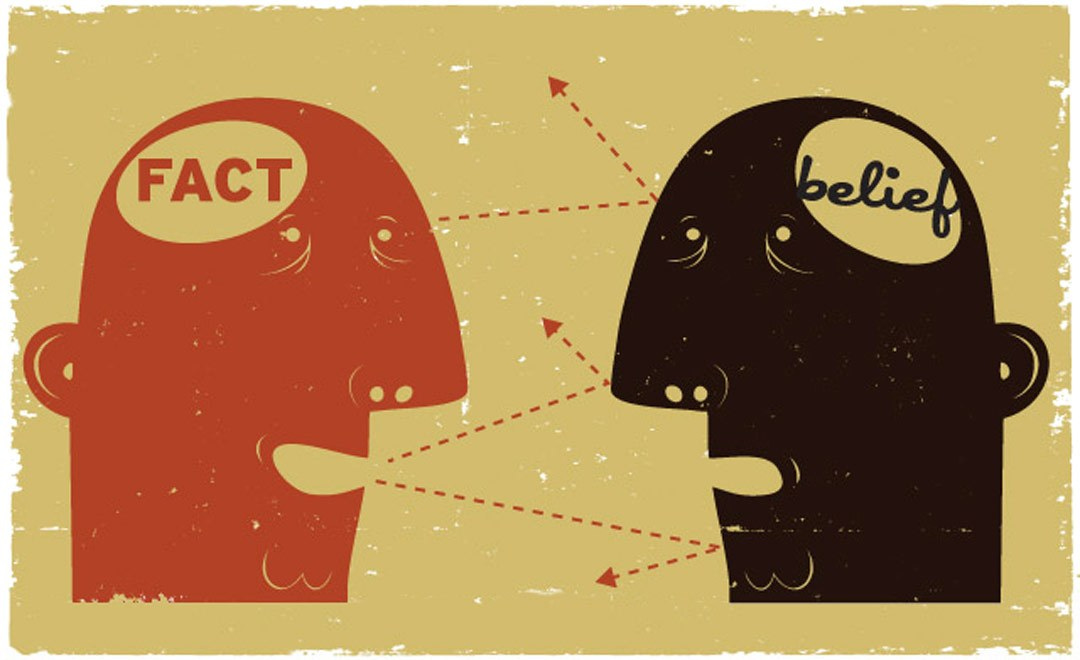
These dynamics explain why deconstruction—whether of faith or political ideology—often leads to intense backlash. It also reminds me of our conversation with Neil Van Leeuwen, author of Religion as Make-Believe. He pointed out that factual beliefs thrive on evidence, but religious and ideological beliefs function differently. When a belief becomes part of group identity, truth often takes a backseat. In fact, sometimes falsehoods serve the group better because they reinforce belonging.
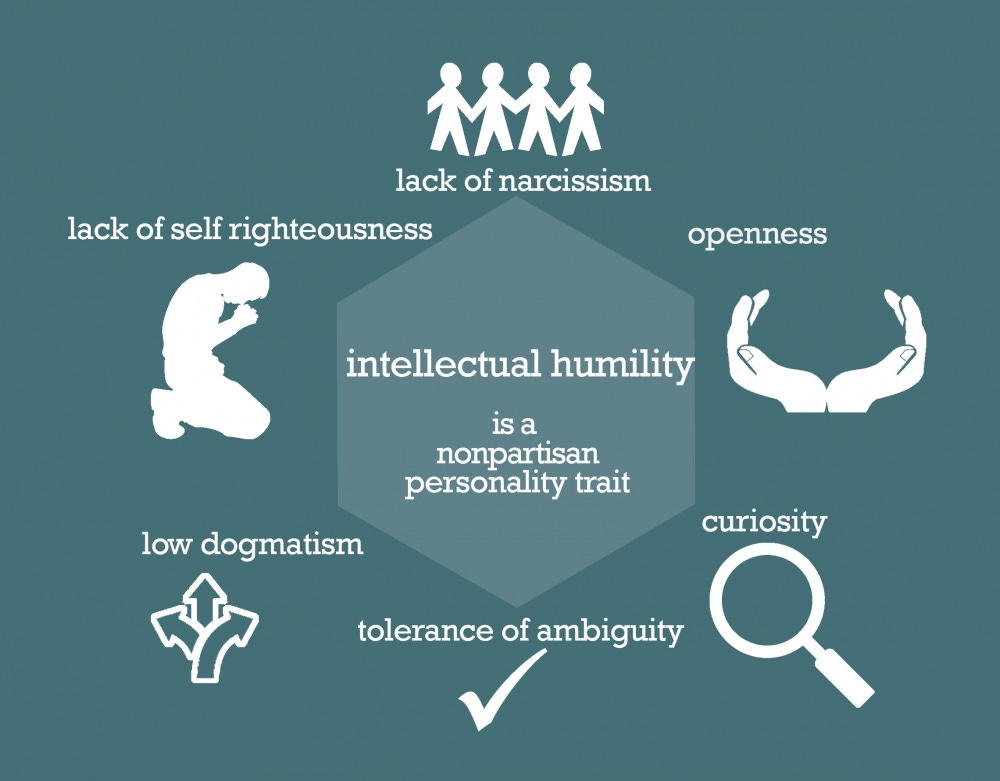
To close down the conversation, let’s talk about healthy communities—whether religious, political, or social—embrace intellectual humility. Here’s what that looks like:
- Open Dialogue: Encouraging respectful conversations where differing perspectives are explored rather than attacked.
- Supportive Community: Allowing for questions, doubts, and evolving beliefs without fear of punishment.
- Personal Reflection: Cultivating a mindset that prioritizes growth over ideological purity.
- Interdisciplinary Engagement: Seeking insights from multiple fields rather than reinforcing an echo chamber.
By recognizing these patterns, we can navigate our own beliefs with more self-awareness and engage in discussions that foster curiosity rather than hostility. The question isn’t whether we hold tightly to certain beliefs—it’s whether we’re willing to interrogate why.
So, what’s one belief you’ve held onto tightly that you later questioned?
Let’s talk about it in the comments.
 Taste0ftruth Tuesdays