

Hey hey Truth seekers! Welcome back to Taste of Truth Tuesdays. It’s Megan Leigh here, your host, and today we’re mixing up our usual bite-sized conversations on fitness, nutrition, mindset, and spirituality with something a little different. Buckle up, because we’re diving headfirst into the fascinating (and sometimes unsettling) world of end-times obsession and its connection to conspiracy theories.
This season, we’re all about unpacking trends, debunking myths, and delivering practical tips for living a healthier, more balanced life. But today, we’re taking a detour. Have you ever found yourself tumbling down the rabbit hole of radical ideologies or swept up in the fervor of religious conversion? If so, you’re not alone. In fact, during the pandemic, I saw firsthand how deeply conspiracies and religious movements can intertwine, drawing people in with promises of belonging, purpose, and empowerment.
Picture this: it’s the height of the pandemic. Isolation, uncertainty, and fear are at an all-time high. Suddenly, conspiracy theories start to feel less like fringe ideas and more like a secret society offering answers and clarity. For many, including myself, this seductive pull can lead straight into the arms of cult-like dynamics. Let’s rewind a bit so I can share my journey.

From 2016 to 2020, I was caught in the grip of multi-level marketing (MLM) schemes. You know the ones—alluring promises of financial freedom and community, flashy products that claim to change your life but often come with unrealistic body standards and toxic relationships with food. At the time, I was searching for connection and a sense of control, but instead, I found myself hooked like a fish on a line, reeled into a world that felt more like a trap the deeper I went.
Now it’s 2020, the beginning of the pandemic, and I found myself knee-deep in conspiracy theories faster than you can say “tin foil hat.” Before I knew it, I was lured into the clutches of a high-control religion, complete with charismatic leaders and an intense “us versus them” mentality. Are you buckled up, folks? Good, because we’re about to embark on a wild ride through the intriguing world of religious prophecy, biblical interpretations, and the end-times obsession that has everyone talking.
Imagine modern American culture—a melting pot of beliefs and ideologies—stirred up with a hefty dose of religious prophecy. For centuries, Christians have been captivated by the idea of the apocalypse, with theological discussions diving deep into the mysterious realms of biblical prophecy. But hold onto your hats, because things have kicked into high gear in recent times. By “recent,” I mean the last 100-200 years. Evangelical Christians, in particular, have cranked their confidence levels to 11, interpreting every hiccup in current events as a surefire sign that the end is near.

Let’s rewind a little to the 19th century. This was a time of upheaval and change, where discoveries in science and historical criticism were turning the world on its head. This era sparked a renewed fervor for interpreting religious texts through a literal lens—a trend that still echoes today. Critics of the literal hermeneutic argue that it can be overly simplistic and fails to account for the complexities and nuances of ancient texts. They contend that a purely literal interpretation can overlook metaphorical or symbolic meanings, cultural contexts, and the evolving nature of language over time. Additionally, critics suggest that such an approach may lead to fundamentalism and rigid dogmatism rather than a deeper understanding of the text.

The lie of Biblical Inerrancy
And let’s not forget about the false doctrine of biblical inerrancy, another shiny new invention from the 19th century. Rogers and McKim argued that the Princeton theologians of the 19th and early 20th centuries, most notably B.B. Warfield, created the doctrine of inerrancy, which teaches that the Bible is entirely without error in all that it affirms. This little gem teaches that the Bible is without error—a claim that’s got more holes than a block of Swiss cheese. By focusing so heavily on inerrancy, proponents often miss the deeper, more nuanced messages these texts are trying to convey. 🚩🚩Read my blog: Rethinking biblical inerrancy.

Since the publication of C.I. Scofield’s edition of the King James Version in 1909, premillennial dispensationalism came to dominate evangelical thought. Premillennial Dispensationalism is a Christian theological perspective that combines premillennialism with dispensationalism. Here’s a breakdown of the components:
Premillennialism: This is the belief that Jesus Christ will return to Earth before (pre-) a thousand-year period of peace and righteousness known as the Millennium. According to premillennialists, the Second Coming of Christ will precede this millennial reign, during which Christ will physically rule on Earth.
Dispensationalism: This is a framework for interpreting the Bible that divides history into distinct periods or “dispensations.” Each dispensation is seen as a specific way in which God interacts with humanity. Dispensationalists typically identify seven such periods, ranging from the time of innocence in the Garden of Eden to the millennial kingdom and beyond.
When combined, Premillennial Dispensationalism holds that:
- We are currently living in a dispensation known as the “Church Age,” which will end with the rapture of the church, where believers are taken up to meet Christ in the air.
- This event will be followed by a seven-year period of tribulation, characterized by widespread suffering and the rise of the Antichrist.
- At the end of the tribulation, Christ will return to Earth to defeat the forces of evil in the Battle of Armageddon.
- Following this, Christ will establish His millennial kingdom, reigning for a thousand years of peace and justice.
- After the Millennium, there will be a final rebellion, followed by the last judgment and the creation of a new heaven and a new earth.
Influence on Evangelical and Fundamentalist Thought
Widespread Adoption: The Scofield Reference Bible became a staple in many evangelical and fundamentalist seminaries, churches, and homes, solidifying dispensationalism’s dominance in American evangelicalism.
Theological Education: Institutions such as Dallas Theological Seminary, including prominent figures like Dwight Pentecost and John F. Walvoord, and Moody Bible Institute became centers for dispensationalist teaching, training generations of pastors, theologians, and missionaries.
Popular Culture: Dispensationalist ideas have permeated popular culture, particularly through books like Hal Lindsey’s “The Late Great Planet Earth” and the “Left Behind” series by Tim LaHaye and Jerry B. Jenkins, which present fictionalized accounts of the rapture and tribulation period.
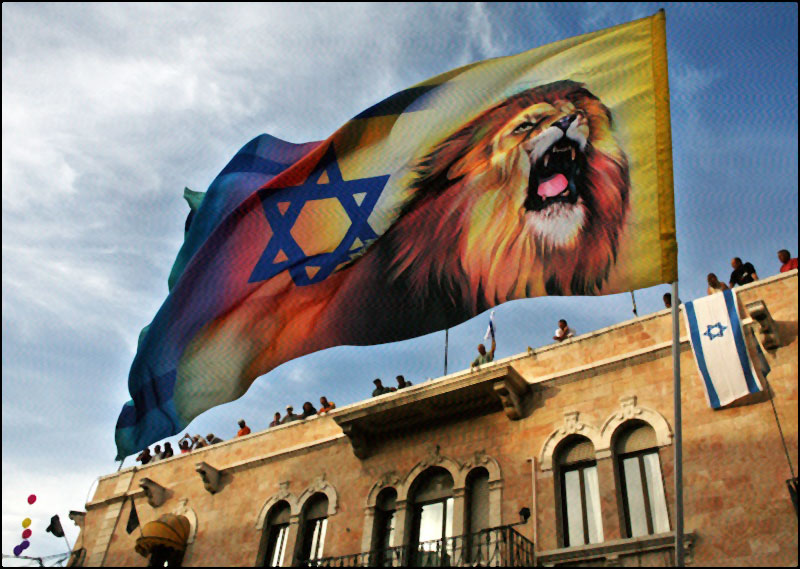
Political Influence: Dispensationalist beliefs have influenced the political views of many evangelicals, particularly regarding support for the state of Israel, which is seen as a fulfillment of biblical prophecy.
Dispensationalist beliefs have significantly influenced the political views of many evangelicals, particularly regarding support for the state of Israel, which is seen as a fulfillment of biblical prophecy. This theological perspective interprets the establishment of Israel in 1948 as a pivotal event in God’s prophetic timeline, intensifying evangelical support for Israel in both religious and political spheres.
Historical Context and Political Engagement
The late 20th century marked a shift from evangelical separatism to active political engagement, notably through the emergence of the Christian Right. Influential figures like Jerry Falwell, founder of the Moral Majority in 1979, emphasized unwavering support for Israel, viewing its existence as central to divine prophecy. Falwell’s trips to Israel, sponsored by the Israeli government, underscored this commitment, and he became a prominent advocate for pro-Israel U.S. foreign policy.
This period also saw the rise of dispensationalist literature, such as Hal Lindsey’s “The Late Great Planet Earth,” which linked contemporary events to biblical prophecies, further galvanizing evangelical support for Israel. Such works suggested that geopolitical developments involving Israel were direct fulfillments of scripture, reinforcing the theological imperative to support the Jewish state.
Contemporary Political Influence
In recent years, dispensationalist beliefs continue to shape evangelical political perspectives. Support for Israel remains a pivotal issue, often influencing voting patterns and policy advocacy. For instance, during the 2024 U.S. presidential election, evangelical leaders emphasized the importance of backing Israel, equating it with other core issues like pro-life advocacy. Ralph Reed, founder of the Faith and Freedom Coalition, stated that support for Israel rivals pro-life issues in evangelical importance, highlighting the enduring impact of dispensationalist theology on political priorities.
Furthermore, political figures have recognized and appealed to this demographic. Former President Donald Trump, for example, acknowledged the strong support for Israel among evangelical Christians, noting that “Christians love Israel more than Jews.” This statement reflects the deep-seated theological convictions that drive evangelical support for Israel, rooted in dispensationalist interpretations of biblical prophecy.
Critiques and Considerations
While dispensationalist-driven support for Israel is significant, it is not without controversy. My concern here is that such theological perspectives can lead to uncritical political alliances, potentially overlooking complex geopolitical realities and ethical considerations. The intertwining of religious prophecy with foreign policy raises questions about the implications of basing political decisions on specific theological interpretations.
Dispensationalist beliefs have profoundly influenced evangelical political views, particularly regarding support for Israel. This theological framework interprets the modern state of Israel as a fulfillment of biblical prophecy, driving political engagement and shaping policy advocacy among evangelicals.
One of the telltale signs of this belief is the date-setting historicism of figures like Hal Lindsey (which I mentioned on my testimony podcast episode, if you remember) who identify current events as the fulfillment of biblical prophecies. Here are a few more examples to watch out for! 🚩
- David Jeremiah: Senior pastor of Shadow Mountain Community Church and author of several books on prophecy and end times, Jeremiah is a well-known contemporary dispensationalist preacher.
- Chuck Missler: Chuck Missler (1934-2018) was a prominent figure in evangelical Christian circles, known for his deep and often controversial insights into biblical prophecy and end times. He was the founder of Koinonia House, a ministry dedicated to providing biblical teaching through various media.
- Key Points about Chuck Missler:
- Biblical Prophecy and Eschatology: Missler was well-known for his detailed studies on the book of Revelation and other prophetic scriptures.
- Integration of Science and Scripture: He often discussed topics like quantum physics, extraterrestrial life, and the technological advancements in relation to biblical texts, aiming to show that modern science supports the Bible. 🚩
- Controversial Views: His unconventional perspectives sometimes placed him on the fringes of mainstream evangelical thought, making him a figure of interest in conspiracy theory circles.
- Promoted by Conspiracy Pages: Missler’s work has found a following among conspiracy theorist communities, including social media accounts like kingkat2.0.
- Key Points about Chuck Missler:
- Thomas Ice: Executive Director of the Pre-Trib Research Center, Ice is a prominent scholar and proponent of dispensational premillennialism.
- Dave Hunt: Known for his critical works on Catholicism, mysticism, and New Age practices, Hunt was an influential figure in evangelical circles. His books often weave biblical prophecy with contemporary events, painting a picture of a world on the brink of divine judgment. 🚩 Hunt’s tendency to overemphasize conspiratorial themes, such as connections between the Vatican and global control, exemplifies the merging of theological and speculative narratives.
So, what’s the bottom line?
These ideologies offer a simplistic worldview where believers feel part of an exclusive group with hidden knowledge and a righteous mission from the big guy upstairs. Conspiracies can provide a framework for interpreting the world and understanding perceived injustices or challenges. They often exploit feelings of fear, uncertainty, and distrust, portraying religious or ideological adversaries as sinister forces working against the believer’s values.
As someone who has walked this path, I want to shed light on how these patterns develop and how we can break free from their grip. In today’s episode, we’ll explore the tactics that draw people into these worlds, the warning signs to watch for, and most importantly, how to reclaim your sense of self and create a balanced, fulfilling life beyond the allure of quick fixes and easy answers.
So, whether you’re curious about the psychology behind these phenomena or looking to make sense of your own experiences, this episode is for you. Together, we’ll unravel the mysteries of these enticing yet dangerous dynamics, one thread at a time.

Whether it’s an MLM, a conspiracy theory, or a religious sect, they all have one thing in common—they thrive on manipulation and exploitation. 😈 From emotional vulnerabilities to charismatic leaders who skillfully manipulate followers, these groups use tactics designed to control and exploit individuals for their own gain.
They often prey on people’s fears, insecurities, and desires for belonging, creating an environment where critical thinking is suppressed, and loyalty is demanded. By promising quick solutions, ultimate truths, or exclusive knowledge, they ensnare individuals into cycles of dependence and obedience, all while profiting from their followers’ dedication and sacrifice.
High control religions often employ a variety of psychological techniques that can be categorized as brainwashing to maintain control over their members. These methods can be understood through the following key strategies:
1. Isolation
- Physical Isolation: Members may be encouraged or required to live in communal settings away from the outside world, reducing their exposure to differing opinions.
- Social Isolation: Members are often discouraged from associating with outsiders, including family and friends who are not part of the religion, leading to an echo chamber effect.
2. Control of Information
- Censorship: Access to information, particularly from outside sources, is heavily restricted. Members are often told to avoid books, websites, and media that might criticize or contradict the group’s teachings.
- Propaganda: The group provides a controlled flow of information that consistently reinforces its beliefs and practices. This includes frequent meetings, sermons, and literature that promote the group’s ideology.
3. Induced Dependency
- Emotional Dependency: The group fosters a sense of dependency by portraying itself as the sole source of spiritual truth and salvation. Leaving the group is often presented as leading to spiritual ruin or eternal damnation.
- Economic Dependency: Members might be financially dependent on the group through communal living, shared resources, or expectations to donate a significant portion of their income.
4. Manipulation of Emotions
- Fear and Guilt: High control religions often use fear tactics, such as threats of punishment, divine retribution, or ostracism, to maintain control. Guilt is also used to manipulate members into conforming to group norms and practices.
- Love Bombing: New members often receive an overwhelming amount of attention and affection, creating a sense of belonging and making them more receptive to the group’s influence.
5. Cognitive Dissonance
- Conflicting Information: The group may present conflicting doctrines or teachings that create cognitive dissonance. Members are then encouraged to resolve this dissonance by accepting the group’s explanation or by attributing any doubts to their own lack of faith or understanding.
- Repetitive Messaging: Constant repetition of the group’s ideology helps to internalize beliefs, making it harder for members to question or think critically about them.
6. Control of the Environment
- Regulation of Environment: The group regulates the environment of its members through strict schedules, rituals, and practices. This control extends to aspects of daily life, including diet, dress, sleep, and social interactions.
- Totalist Doctrine: The group’s doctrine is presented as the absolute and only truth. Any dissent or deviation is harshly punished or suppressed.
7. Loss of Identity OR Identity Confusion
- Role Confusion: Members are often given new identities or roles that are closely tied to the group’s ideology. This can include new names, titles, or responsibilities that align with the group’s goals.
- Erosion of Personal Boundaries: Personal boundaries are often dissolved, with the group demanding complete loyalty and submission to its leaders and teachings.
8. Exploitation of Psychological Vulnerabilities
- Targeting Vulnerable Individuals: High control religions often target individuals who are experiencing personal crises, loneliness, or seeking meaning in life. These individuals are more susceptible to the group’s message and control techniques.
- Gradual Indoctrination: The process of indoctrination is typically gradual, starting with mild teachings and escalating to more extreme beliefs and practices as the member becomes more deeply involved.
By employing these techniques, high control religions can significantly influence and control their members’ thoughts, emotions, and behaviors, creating a closed system that is resistant to outside influence and critical thinking.
Are you prepared to continue unraveling the mysteries? Tune into this episode as we delve further into… exposing the Impact of social media on Recruitment and Manipulation. Until then, maintain your curiosity, embrace skepticism, and keep tuning in! 🎙️🔒
For a deeper understanding of brainwashing and related psychological manipulation techniques, you can explore a variety of resources spanning books, academic papers, and credible online articles. Here are some notable recommendations:
### Books
1. **”Thought Reform and the Psychology of Totalism” by Robert Jay Lifton**: This seminal work offers a detailed examination of brainwashing techniques used during the Chinese thought reform programs.
2. **”Cults in Our Midst: The Hidden Menace in Our Everyday Lives” by Margaret Thaler Singer and Janja Lalich**: This book provides insights into the psychological mechanisms of cults and brainwashing.
3. **”Influence: The Psychology of Persuasion” by Robert B. Cialdini**: While not exclusively about brainwashing, this book explores the principles of influence and manipulation.
4. **”Combatting Cult Mind Control” by Steven Hassan**: This book by a former cult member and mental health counselor offers practical advice and personal insights into the process of mind control and how to counter it.
### Academic Articles
1. **”Brainwashing: The Science of Thought Control” by Kathleen Taylor**: This article, and the book of the same name, delve into the scientific basis of brainwashing and its effects on the brain.
2. **”Psychological Coercion and Human Rights: Exploring the Notion of Brainwashing”**: Various academic journals explore the intersection of psychological coercion and human rights, providing theoretical and empirical insights.
### Online Resources
1. **The International Cultic Studies Association (ICSA)**: Their website offers a wealth of articles, research papers, and resources on brainwashing, mind control, and cultic studies.
2. **APA PsycNet**: The American Psychological Association’s database provides access to numerous scholarly articles on brainwashing and related topics.
3. **TED Talks and Documentaries**: Several TED Talks and documentaries explore the impact of psychological manipulation and brainwashing, offering both expert insights and personal stories.
By exploring these resources, you can gain a comprehensive understanding of the mechanisms, effects, and countermeasures related to brainwashing.
#Brainwashing #MindControl #Awareness #StayInformed #Psychology #CriticalThinking #HighControlReligion #CultAwareness #KnowledgeIsPower #deconstruction #deconstructioncommunity #faith #podcast #endtimesbeliefs #taste0ftruthtuesdays
 Taste0ftruth Tuesdays