When you grow up in a high-control environment—whether through religion, a rigid upbringing, or a spiritual path that preaches emotional suppression—it can feel like your natural human emotions are something to be ashamed of. I’ve lived it. In the high-control religion I was a part of, anger wasn’t just frowned upon; it was portrayed as sinful, a sign of personal failure or weakness. Through the lens of ACBC Biblical counseling (Nouthetic Counseling), anger was framed as something to be suppressed, manipulated out of existence with tactics like guilt, shame, and isolation. But here’s the truth: anger, like any other emotion, isn’t inherently wrong. It’s human. And when we lose access to it, we also lose access to parts of ourselves.
Anger, as Aristotle once put it, is a passion. When experienced and expressed for the right reasons and in the right way, it can even be virtuous. Yet, in so many spiritual environments, particularly the ones I encountered, emotions like anger were seen as dangerous, spiritually harmful, or outright sinful. Especially for women, who are often taught to prioritize harmony and remain calm at all costs, anger can become something we’re scared to touch. For men, anger might be more accepted, but vulnerability is not, creating its own emotional imbalance.
What happens when we suppress emotions like anger? We get stuck, often feeling disconnected from our bodies, from our creativity, and from any sense of playfulness. That’s why art and play become essential tools in healing from spiritual and religious trauma. They allow us to access and express emotions that were long buried, giving us the space to feel without fear. Art doesn’t just heal—it empowers. It gives back what was stolen. Let’s unpack why:
Why Art & Play Matter in Healing Trauma
Trauma—especially the kind stemming from spiritual or religious abuse—can leave you feeling stuck, numb, or like a stranger to your own creativity. High-control environments stifle our freedom to express, explore, or simply be. Art and play can feel like reclaiming those parts of us that were silenced, buried under the weight of shame, fear, or guilt.
“Wherever I look, I see the same themes: not being allowed to feel, to say what you feel, to trust your perceptions, to ask for what you need. This is how we remain imprisoned in our pain.” -Alice Miller
Engaging in creative expression—whether it’s painting, dancing, writing, or making music—gives us a way to process emotions that can be difficult, even impossible, to articulate. Trauma lodges itself deep in the body and subconscious, often beyond the reach of words. But through art, we can access those hidden parts and begin to heal them in ways that talking just doesn’t touch. It’s like tapping into a language the body understands.
Play, on the other hand, might feel like a foreign concept if you’ve been conditioned to take life way too seriously, to follow rules without question. But it’s through play that we reconnect with spontaneity, joy, and a sense of safety—things that high-control environments tend to strip away. Play is about reawakening that inner child, the part of you that knows how to explore and create without fear of judgment. It’s about taking back the joy you were told to suppress.
How Art & Play Help in Deconstructing Religious Trauma
When we start unraveling the teachings we once held as truth, it can feel like walking through a minefield. Shame, fear, and guilt are often deeply embedded in the narratives we were fed. Art becomes a tool for rebellion, a way to question, challenge, and rewrite those beliefs. By creating, we aren’t just making things; we’re making space for new perspectives. We’re loosening the grip that old doctrines had on us.
In high-control environments, the idea of play is usually dismissed as frivolous or even sinful. Reclaiming that sense of play is like finding a key to unlock the parts of yourself that were shut away. Playfulness, whether it’s dancing with wild abandon, hula hooping (yes, circus arts shoutout!), or exploring new hobbies, gives you back a sense of agency. It’s a way to create space for curiosity again, to embrace wonder without the burden of fear or shame. Think of it as giving yourself permission to live without someone else’s narrative hanging over you.
Scientific Backing for Creative Therapies
The science backs this up, too. Numerous studies have shown that creative therapies—like art, dance, and even movement-based play—can significantly reduce symptoms of PTSD, anxiety, and depression. They work by helping the brain rewire itself through neuroplasticity. When you engage in creative activities, you’re not just distracting yourself—you’re helping your brain form new, healthier connections. You’re building resilience, reprogramming the way your brain responds to trauma.
Art and play ignite parts of the brain that foster emotional regulation and healing. This is where trauma lives, after all—deep within the nervous system. But creativity taps into a different part of the brain than verbal communication does, allowing survivors of trauma to express and release emotions they may not even know they’re holding onto.
By embracing art and play, you’re not just finding a distraction from your pain—you’re giving yourself a way to heal, to reclaim parts of yourself that were taken, and to reconnect with joy, creativity, and freedom. The beauty of it all? There’s no right or wrong way to do it. You’re creating your path forward. So, grab that paintbrush, dance it out, or pick up that pen and let your soul speak.
Resources for Healing Through Art and Play
Books:
“Healing the Fragmented Selves of Trauma Survivors” by Janina Fisher This book dives into how trauma fragments a person’s sense of self, especially those recovering from spiritual abuse or high-control environments. Fisher provides practical tools, like body-based therapies and creative expressions, to help reintegrate those fragmented parts into a cohesive whole.
“Trauma and Recovery” by Judith Herman Herman’s work is a cornerstone in understanding trauma and its long-term effects. She emphasizes the importance of survivors reclaiming their voices, and how creative expression—whether through writing, painting, or dance—plays a critical role in their recovery journey.
“The Creative Cure” by Jacob Nordby Nordby explores how reconnecting with creativity can reignite your sense of self and joy. Especially for those who’ve had their emotional expression controlled or diminished by strict belief systems, this book offers a roadmap to reclaiming a more authentic, free version of yourself through creativity.
“Complex PTSD: From Surviving to Thriving” by Pete Walker This book focuses on healing the long-term effects of complex PTSD, which many individuals from high-control religious backgrounds experience. Walker highlights how therapeutic outlets like art, journaling, and other forms of play help survivors process their trauma and begin to thrive again.
“Art Therapy Sourcebook” by Cathy Malchiodi Malchiodi is a pioneer in the field of art therapy. This book is a practical guide for anyone looking to explore art as a form of emotional expression and healing, especially in the context of trauma recovery. It offers hands-on approaches for integrating creative expression into your healing process.
Articles & Journals:
American Art Therapy Association This site offers numerous research studies on the effectiveness of art therapy in healing trauma, especially for those recovering from spiritual abuse or restrictive environments. It provides a well-rounded view of the therapeutic benefits of engaging in creative arts.
International Journal of Play Therapy A comprehensive journal that highlights the healing potential of play therapy for trauma survivors. It explores how play can foster emotional resilience and repair, allowing individuals to reconnect with parts of themselves that were silenced or controlled.
“Creative Arts Therapies and Trauma: Scope and Impact” A review that outlines how various forms of creative expression—like music, drama, and visual arts—help trauma survivors heal. This article explains how these therapies leverage the brain’s neuroplasticity to create new, healthier emotional patterns.
Pat Ogden – Sensorimotor Psychotherapy Ogden’s work is at the intersection of movement and trauma recovery. She focuses on how trauma manifests in the body and uses techniques like creative movement and body-based therapies to help people heal from deep emotional wounds. Her book “Trauma and the Body” is a great resource for understanding this approach.
Peter Levine – Somatic Experiencing Levine is renowned for his work on trauma recovery through the body. His book “Waking the Tiger: Healing Trauma” offers insights into how movement and body-based expression can help survivors release trauma and regain a sense of safety and control.
Podcasts & Websites:
Sounds True – Insights at the Edge Podcast Hosted by Tami Simon, this podcast often features interviews with leading experts in trauma and healing. Guests like Peter Levine and Pat Ogden discuss the importance of integrating creative practices like art and movement into trauma recovery.
Healing Arts Radio (Online Radio Show) Focused on art therapy and trauma healing, this show features episodes on creative therapies and personal stories of recovery through art. It’s an inspiring resource for understanding how play and art can transform emotional wounds into creative empowerment.
Institute for Creative Mindfulness This site provides resources and courses on expressive arts therapies for trauma survivors. It emphasizes how art and movement therapies foster resilience and healing by tapping into emotional expression and body awareness.
Did you know that nearly one in five adults in the U.S. experiences mental health issues each year, with many of these individuals deeply embedded in religious communities? Unfortunately, within certain religious contexts, these struggles are often misunderstood or outright dismissed, leading to significant harm.
This week on the podcast, our guest explains more about Scrupulosity, a form of religious OCD, is particularly prevalent in such environments. Its debilitating effects are often compounded by biblical counseling practices that prioritize doctrinal purity over psychological well-being. This issue is glaringly evident in the teachings of influential figures like John MacArthur, whose views on mental health have had a profound and dangerous impact on his followers.
🎧Listen here!
Understanding Scrupulosity
Definition: Scrupulosity is a psychological condition where an individual experiences obsessive concerns about sin and moral behavior, often leading to compulsive religious rituals. It’s a form of OCD that is frequently misunderstood as heightened piety rather than a serious mental health issue.
Impact on Individuals: The emotional and psychological toll of scrupulosity can be devastating. Individuals suffering from this condition often live in constant fear of divine punishment, leading to extreme anxiety and depression. Marissa Burt shared harrowing stories of people trapped in this cycle, where every thought and action is scrutinized under the weight of perceived sinfulness, leaving them isolated and in despair.
The Role of Biblical Counseling
Biblical counseling is a form of therapy that relies solely on Scripture to address psychological issues, often rejecting modern psychological practices. Unlike secular mental health care, which is based on scientific research and evidence-based practices, biblical counseling assumes that all mental health issues stem from spiritual problems.
The Harmful Impact of Spiritually Abusive Counseling and Complementarianism
Section 1: The Dangers of Spiritually Abusive Counseling Programs
The spiritually abusive counseling program I was part of advocated for trusting in God and walking in the Spirit, based on Ephesians 4:22-24. While this approach may seem pious, it dangerously neglected real mental health needs and suggested that faith alone could ‘cure’ conditions like borderline personality disorder (BPD).
The Reality of Mental Health Needs
BPD is a serious mental health condition requiring professional treatment. While faith can offer support, it is not a substitute for evidence-based therapy. The notion that BPD is merely a result of not being ‘Christ-like’ enough not only invalidates legitimate mental health struggles but also manipulates individuals into believing their worth is contingent on religious compliance.
The Damage of Biblical Counseling
Biblical counseling, particularly when practiced by organizations like the Association of Certified Biblical Counselors (ACBC), can be profoundly damaging. This approach often lacks nuance and sensitivity, especially in cases of marital abuse. Instead of addressing abusive behaviors, it focuses on wives’ submission, perpetuating harm and failing to uphold biblical principles of love and justice.
Research indicates that frequent causes of women’s anger include:
Feelings of helplessness
Not being listened to
Injustice
Irresponsibility on the parts of others
The inability to make desired changes
The Flaws in ACBC’s Approach
ACBC’s counseling model relies on flawed interpretations of biblical passages and neglects psychological insights. It is authoritarian and has the potential for spiritual abuse, lacking accountability and sensitivity. The emphasis on traditional female gender norms that prioritize tenderness over assertiveness further hinders women’s ability to address unfair treatment effectively.
Complementarianism and Gender Equality
The conservative church promotes dangerous ideologies through Complementarianism, which emphasizes women’s submission to men. Historical analysis reveals that contemporary teachings about women’s roles often misinterpret or selectively use biblical passages to justify patriarchal structures rather than promoting equality and mutual respect. Critics argue that these teachings reflect human power structures more than the true message of Christ.
Critique of Biblical Counseling in Cases of Scrupulosity
This approach can be particularly harmful in cases of scrupulosity, where the condition is often mistaken for a lack of faith or moral failure. Instead of providing relief, biblical counseling can exacerbate the problem by reinforcing the idea that the sufferer must simply pray harder, read the Bible more, or repent more sincerely. Insights from Marissa Burt into these counseling sessions reveal a troubling pattern: individuals are often led deeper into their condition, with no recognition of the need for professional mental health care.
Towards Equality and Liberation
Achieving gender equality and women’s liberation is crucial for building a more prosperous and harmonious world. By examining church history and contemporary interpretations, we can challenge and move beyond outdated beliefs, advocating for a more equitable and respectful understanding of biblical teachings.
Real-Life Examples: Marissa shared examples of people who, after years of biblical counseling, found themselves more entrenched in their fear and anxiety. Instead of receiving the help they needed, they were told that their mental struggles were a sign of spiritual weakness, further alienating them from any form of relief.
John MacArthur’s Controversial Views
Introduction to MacArthur’s Views: John MacArthur, a prominent evangelical leader, has long been a vocal critic of psychological diagnoses and treatments, dismissing them as unbiblical. He argues that mental health issues are primarily spiritual problems that should be addressed through Scripture, prayer, and repentance.
Impact on Followers: MacArthur’s teachings have had a profound influence on his followers, many of whom reject necessary mental health care in favor of biblical counseling. This can lead to the worsening of conditions like scrupulosity, as individuals are discouraged from seeking professional help. Marissa Burt’s experiences highlight the real harm caused by these teachings, as people are led to believe that their suffering is a result of sin rather than a treatable mental health condition.
Marissa’s Insights: Marissa shared that within biblical counseling settings influenced by MacArthur’s teachings, there is little room for acknowledging the validity of psychological science. Instead, individuals are pushed to conform to a narrow view of spirituality, often at the expense of their mental health. This rigid approach can have devastating consequences, leaving individuals trapped in a cycle of guilt, fear, and spiritual abuse.
The Intersection of Faith and Mental Health
The Struggle for Balance: Many individuals find themselves torn between their faith and the need for mental health care. The struggle to reconcile these two aspects of their lives can be overwhelming, particularly when religious leaders like MacArthur promote the idea that mental health issues are purely spiritual.
Call for Change: It’s time for religious communities to adopt a more compassionate and informed approach to mental health. Psychological science and faith need not be at odds; in fact, they can complement each other in helping individuals achieve overall well-being. Recognizing the validity of mental health issues and seeking appropriate care is not a sign of weak faith but of a holistic approach to human flourishing.
Conclusion
Scrupulosity is a serious mental health condition that can be exacerbated by the teachings of biblical counseling and figures like John MacArthur. The dismissal of psychological science in favor of a purely scriptural approach can lead to significant harm, trapping individuals in cycles of guilt and fear.
If you or someone you know is struggling with mental health issues, it’s crucial to seek out appropriate care. Be cautious of religious teachings that diminish the importance of psychological well-being. Remember, it’s possible to maintain your faith while also taking care of your mental health.
The statistic about nearly one in five adults in the U.S. experiencing mental health issues annually is based on general findings from sources like the National Institute of Mental Health (NIMH) or the Centers for Disease Control and Prevention (CDC). For example, the NIMH often reports that about 20% of adults experience some form of mental health disorder each year.
National Institute of Mental Health (NIMH): They provide comprehensive data on mental health statistics. NIMH Statistics
Centers for Disease Control and Prevention (CDC): They offer data on mental health prevalence and its impact. CDC Mental Health
Books
“The Doubting Disease: Help for Scrupulosity and Religious Compulsions” by Joseph W. Ciarrocchi: A classic resource that offers a mix of psychological and spiritual guidance for those dealing with scrupulosity and religious OCD.
Articles & Guides
International OCD Foundation (IOCDF) Guide on Scrupulosity: Provides a thorough overview of scrupulosity, including treatment options and practical tips. IOCDF Guide
“Understanding Scrupulosity” by Dr. Gregory Bottaro: Offers insights from a clinical psychologist who integrates faith and psychology, providing both professional and spiritual perspectives.
Online Communities & Forums
Reddit’s r/scrupulosity: A supportive online community where individuals share experiences, resources, and support related to scrupulosity. Reddit r/scrupulosity
OCD Action Forum: Contains specific sections for religious and moral OCD, allowing individuals to connect and share experiences. OCD Action Forum
Therapy & Counseling
Cognitive Behavioral Therapy (CBT) with Exposure and Response Prevention (ERP): This is the gold standard for treating scrupulosity. Finding a therapist who specializes in CBT and ERP can be particularly effective.
Faith-Based Counseling: For those seeking to integrate their faith into therapy, it’s important to find a counselor who understands both OCD and the individual’s religious background.
Non-Christian Sources
National Alliance on Mental Illness (NAMI): Provides general mental health resources and information on how different settings, including religious ones, can impact mental well-being. NAMI Website
American Psychological Association (APA): Publishes research and articles on mental health, including impacts of religious environments. APA Website
Secular Therapy Project: Connects individuals with secular therapists sensitive to the impact of religious settings on mental health. Secular Therapy Project
These resources should offer a well-rounded approach to understanding and managing scrupulosity, catering to a variety of needs and perspectives for anyone navigating the complexities of scrupulosity.
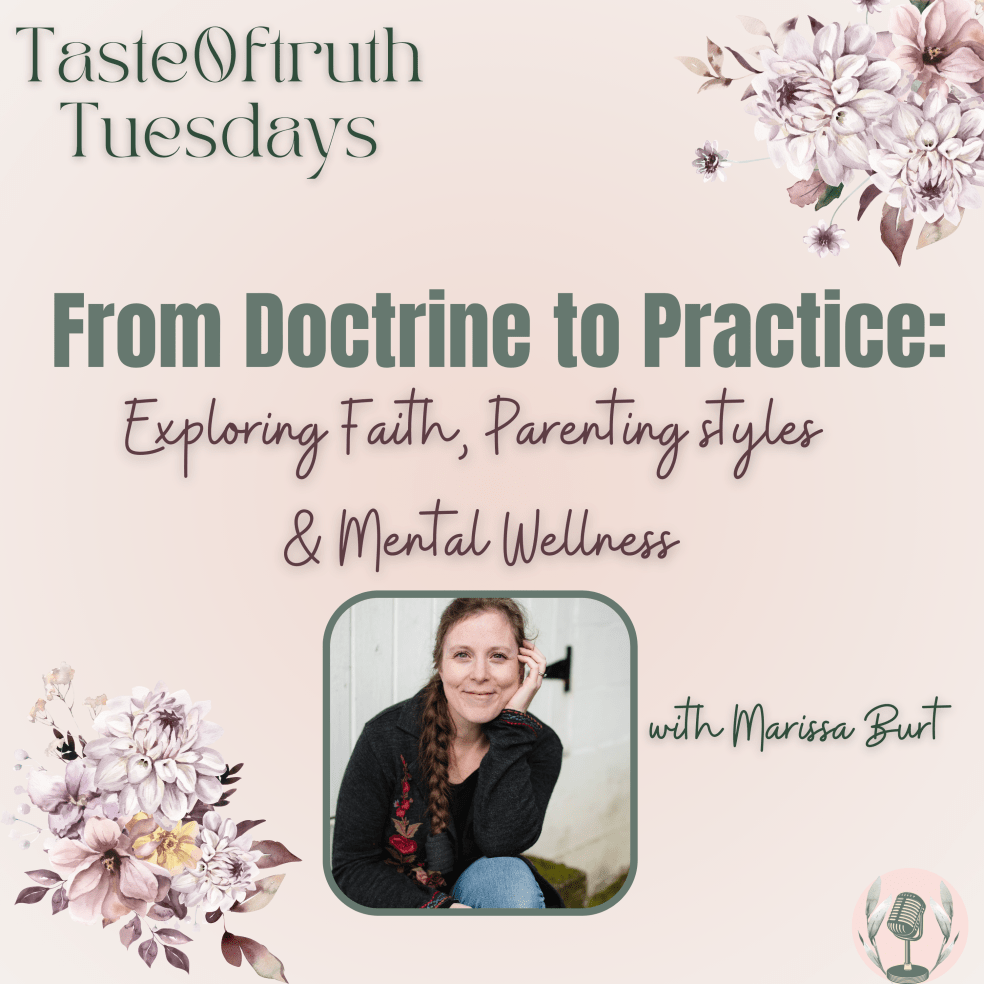
Welcome back to Taste0fTruth Tuesdays! 🌟 New Episode Alert! 🌟
Join us as we sit down with the brilliant @mburtwrites , a leading voice in children’s literature. This week, we tackle some tough but vital topics:
🧠 John MacArthur’s controversial views on mental health and biblical counseling.
👶 The impact of Tedd Tripp’s ‘Shepherding a Child’s Heart’ on parenting.
💔 Sensitive approaches to childhood trauma and effective support strategies.
🙏 The psychological toll of Christian scrupulosity and ways to raise awareness.
🗣️ My personal experience with abusive biblical counseling and its effects.
Gain valuable insights on faith, parenting, and mental health from Marissa’s unique perspective. Tune in now and let’s navigate these challenges together!
I am grateful for this conversation, I hope it blesses you too! 🕊️
🙏 Please help this podcast reach a larger audience in hope to edify & encourage others! To do so: leave a 5⭐️ review and send it to a friend! Thank you for listening! I’d love to hear from you, find me on Instagram! @taste0ftruth or Pinterest!




 Taste0ftruth Tuesdays