
Are we wearing poison? Let’s talk the Hidden Chemistry of Modern Clothing
We obsess over what goes into our bodies (the food we eat, the supplements we take) but what about what touches our skin every day? From Victorian gowns to modern period underwear, the history of fashion is riddled with invisible chemicals that make us sick, sometimes quietly, sometimes catastrophically.
In this week’s Taste of Truth Tuesdays, we explore the hidden chemistry in the fabrics we wear, the cultural stories that taught us to hide what’s natural, and small steps we can take to reclaim autonomy over our own bodies.
I sat down with Arielle, founder of Flower Girl, a brand reimagining period underwear with natural, breathable fibers— no toxic coatings, no gimmicks. But this episode isn’t just about a product. It’s about the invisible chemistry that touches our skin, and the cultural stories that taught us to hide what’s natural while normalizing what’s toxic.
🧵 A Brief History of Poisonous Fashion
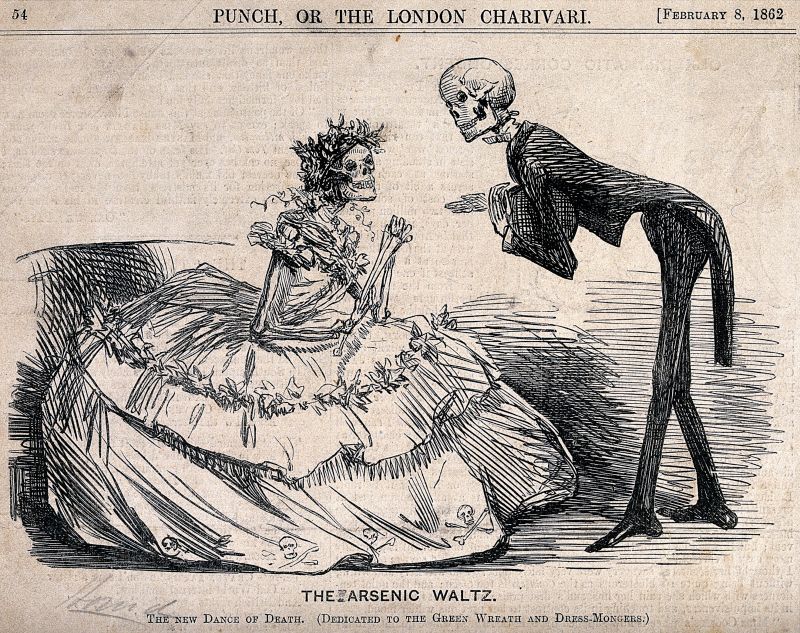
From Victorian gowns to modern athleisure, fashion has a long history of exposing us (sometimes invisibly) to chemicals that affect our health. Here’s a quick dive:
- Victorian Era: Those green dresses weren’t just a statement— they were laced with arsenic, and mercury-based pigments were common. The result? Rashes, lung damage, even death. Fashion literally killed.
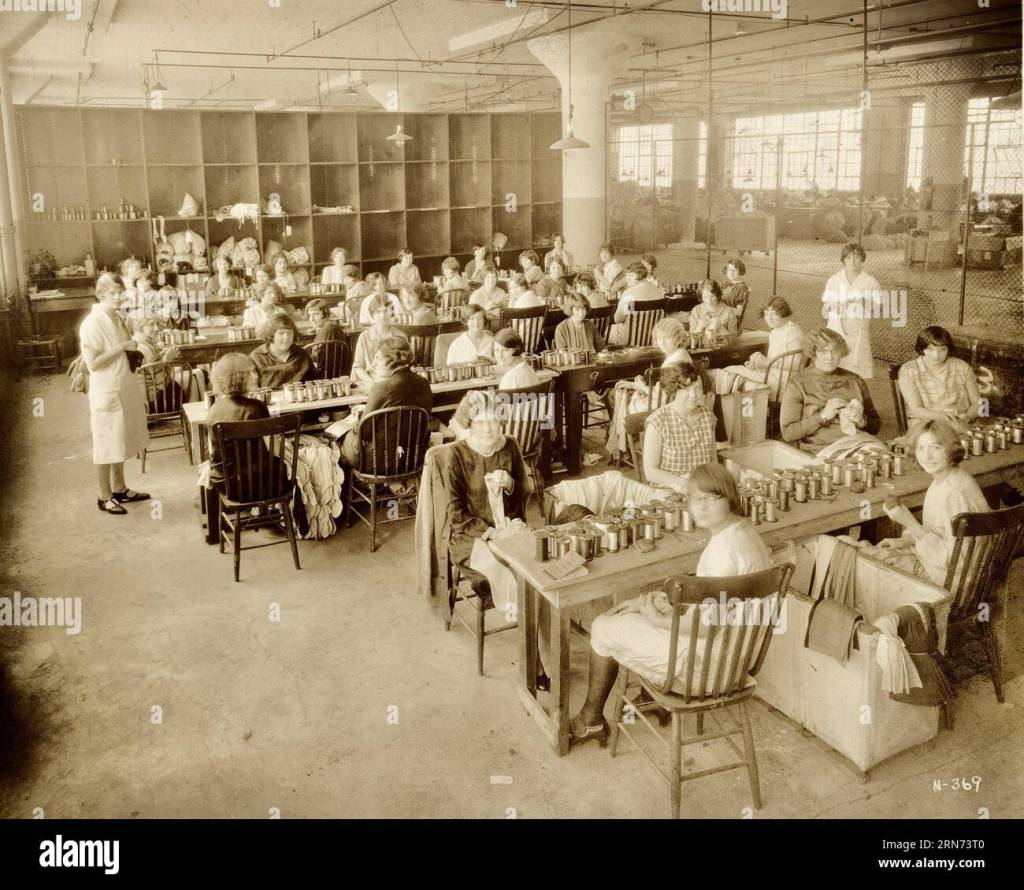
- Early 1900s: Factory workers handled lead, aniline dyes, and formaldehyde finishes. Mercury made hat-makers insane, while young women painting radium watch dials suffered bone decay and radiation poisoning.
- Mid-20th century: Synthetic fabrics like nylon and polyester promised convenience and comfort — but chemical coatings for stain-proofing, wrinkle-free finishes, and flame retardants added a new layer of invisible toxins.
Modern Toxic Threads
Fast-forward to today, and the chemical story hasn’t improved much:
Plastic fibers (polyester, nylon, spandex): Shed microplastics into waterways and can absorb and re-release toxins through skin contact with these substances. And yes— even period products aren’t safe from the chemical experiment.
PFAS (“forever chemicals”): Used for stain- and water-resistance in yoga pants, athleisure, and some period underwear. Linked to hormone disruption, infertility, thyroid disease, and cancer.
Formaldehyde finishes: Wrinkle-free clothing often contains formaldehyde, a known skin irritant and probable carcinogen.
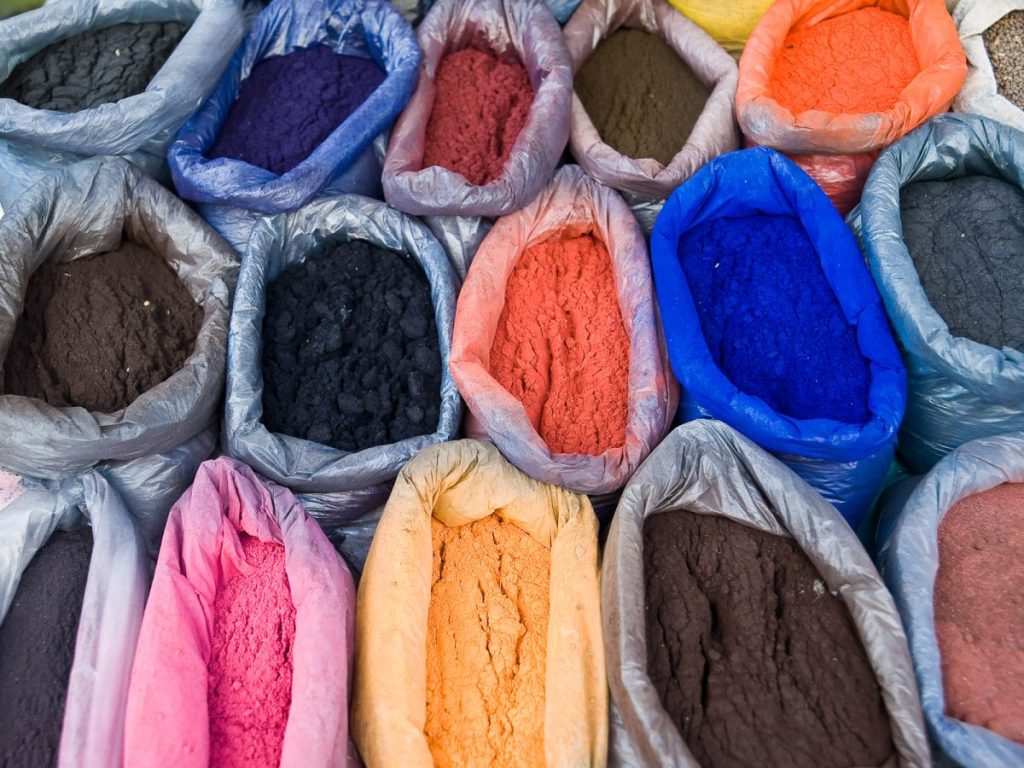
Azo dyes & heavy metals: Cheap and fast-fashion fabrics often use dyes with heavy metals, which can trigger allergic reactions and long-term organ toxicity.
Some of the most publicized cases show just how pervasive these risks are:
- Thinx Period Underwear (2023): Independent testing revealed PFAS in products marketed as organic and “clean,” sparking lawsuits and class-action settlements. Even items sold as safe aren’t always free from hidden chemicals.
- Flight Attendant Uniforms: Airlines like Alaska, Delta, and American faced reports of workers developing rashes, respiratory issues, and thyroid problems after new uniforms were treated with PFAS or formaldehyde coatings.
- Outdoor & Athleisure Brands: Major brands like Patagonia, Lululemon, and REI have been scrutinized for PFAS in waterproof or sweat-wicking gear, showing that convenience and performance often come at a chemical cost.
Globally, more than 40,000 chemicals are used in textiles and apparel, yet only a fraction have been tested for safety— for humans, animals, or the environment. These scandals aren’t isolated; they reflect a system where toxic exposure is often invisible, normalized, and poorly regulated.
A 2024 study from UC Berkeley and Columbia found 16 different metals (including lead and arsenic) in tampons across both organic and non-organic brands. The levels were low, but researchers warned that the vaginal route is especially absorbent— a reminder that what we wear inside our bodies matters as much as what we eat.

💬 From Ritual Impurity to Hygiene Marketing
Over the last century, the cultural messaging around menstruation has shifted in a few distinct stages and each one carried the same underlying expectation: women should hide and control their bodies.
- Ritual or moral framing (ancient to early modern): In many societies, including biblical times, periods were treated as a matter of ritual purity. Women were temporarily “unclean” in religious or social terms, meaning they couldn’t participate in certain activities. The focus was spiritual or moral, not about hygiene or appearance.
- Hygiene framing (early 20th century): With industrialization and the rise of consumer products, periods were recast as a hygiene problem. Ads emphasized cleanliness and odor control, implying that menstruation was inherently messy or dangerous. Women were encouraged to conceal their cycles, but the emphasis was still largely about avoiding germs and embarrassment.
- Performance framing (mid-to-late 20th century onward): Marketing and media shifted the conversation again, this time framing periods as an obstacle to a woman’s ability to perform socially, professionally, and physically. Products promised to let women stay active, go to work, exercise, and socialize “normally”, without anyone noticing their period. The message became: your body is natural, but it shouldn’t interfere with the image of a controlled, capable, and flawless woman.
In other words, the period itself didn’t change, but what society demanded of women did. “Performance” here doesn’t mean athletics alone— it means the expectation that women should navigate daily life seamlessly, keeping their bodies’ natural processes invisible, as if menstruation were a glitch in an otherwise perfect system.
🌍 The New Awareness
Today’s “wellness” world loves to market empowerment but secretly it’s still selling control. Arielle’s work with Flower Girl pushes against that. Her goal isn’t fearmongering about chemicals; it is about helping women rebuild trust with their own bodies, starting with the fabrics that touch them daily.
Because true control over your body is about sovereignty, not ideology.
What we wear, what we absorb, and how we relate to our cycles all tell a deeper story about modern womanhood…. one that’s overdue for rewriting.
Next Steps: What You Can Do
- Read Labels Critically: Seek out brands that disclose fabric treatments and avoid PFAS, formaldehyde, or undisclosed chemical finishes. Wicker highlights the challenge in identifying safe clothing due to the lack of ingredient transparency, urging consumers to demand more disclosure from manufacturers.
- Prioritize Natural Fibers: Opt for materials like cotton, bamboo, or other certified breathable fabrics to reduce your chemical load. Wicker notes that while natural fibers are generally safer, it’s crucial to ensure they are not treated with harmful chemicals during processing.
- Wash New Clothes: Especially synthetics- washing before first wear can remove some surface chemicals. Wicker advises washing new garments to reduce initial chemical exposure, particularly from dyes and finishes.
- Choose Sustainable Period Products: Brands like Flower Girl use body-safe fabrics designed for comfort, breathability, and longevity— and are tested for safety. Wicker emphasizes the importance of selecting period products that are free from toxic chemicals, as these items are in close contact with sensitive areas of the body.
- Advocate for Transparency: Demand that brands tell you what’s in your clothing. Knowledge is power, and the more we ask, the more companies will act. Wicker encourages consumers to be vocal about their concerns, as increased demand for transparency can drive industry-wide change.
🎧 Listen In
Tune in to this week’s Taste of Truth Tuesdays episode, “What’s Really in Our Clothes (and What That Says About Us)”, where Arielle and I unpack the hidden toxins in textiles, the myths around “clean” wellness marketing, and what it really means to live in a body that’s free— not just from chemicals, but from shame.
Check out her products here! https://flowergirl.co/
Find her on social media! Insta, Pinterest, Substack
and as always…
Maintain your curiosity, embrace skepticism, and keep tuning in! 🎙️🔒
Sources mentioned in today’s interview:
The Body Project-An Intimate History of American Girls- Joan Jacobs Brumberg
Once a Month-Understanding and Treating PMS– Katharine Dalton, M.D
To Dye For–How Toxic Fashion is Marking us sick and how we can fight back— Alden Wicker
The Female Brain–Louann Brizendine, M.D
Ian Carrol’s new APP! https://buyrapp.com/
 Taste0ftruth Tuesdays